
Legal Services Special Topic "Man-of-Straw Account Case" Course Reflection: Ch'en Pei-chün
Last edited: 2026-07-27
After attending the course information session, I felt both excited and troubled—troubled about how to choose a topic between the National Highway Electronic Toll Collection Workers Case and the Man-of-Straw Account Case. Discussing it with my parents, I chose the latter, believing that man-of-straw accounts are issues that could happen now and in the future. Even though the highway workers case had a massive impact, my parents suggested the man-of-straw account case, so I chose this topic.
I always held great expectations for practical courses, but when it truly began, it was different from what I had imagined—or strictly speaking, it somewhat dampened my initial enthusiasm. After understanding the man-of-straw account case, our goal for the semester was set to resolve this issue. I understood that problems must eventually be resolved, but this was merely a direction. I felt that in the short term, nothing could be changed, save for trying to make things a little different. Therefore, we started with academic papers to see if there were any feasible solutions. After reading many lengthy papers, we found that they remained academic and their practical feasibility was still difficult. While reading papers, we also reviewed judgments and conducted telephone interviews with parties involved, ultimately deciding to conduct an in-person interview with one of them. The process of interviewing the party was both interesting and nerve-wracking, though talking to them later became very natural. I think interacting with the parties involved was the most engaging part. In the end, everyone's paper direction focused on amending the laws regarding summary judgment procedures, yet no concrete conclusions were reached. This does not mean papers are unimportant; they influenced the content of our seminar and the presenters.
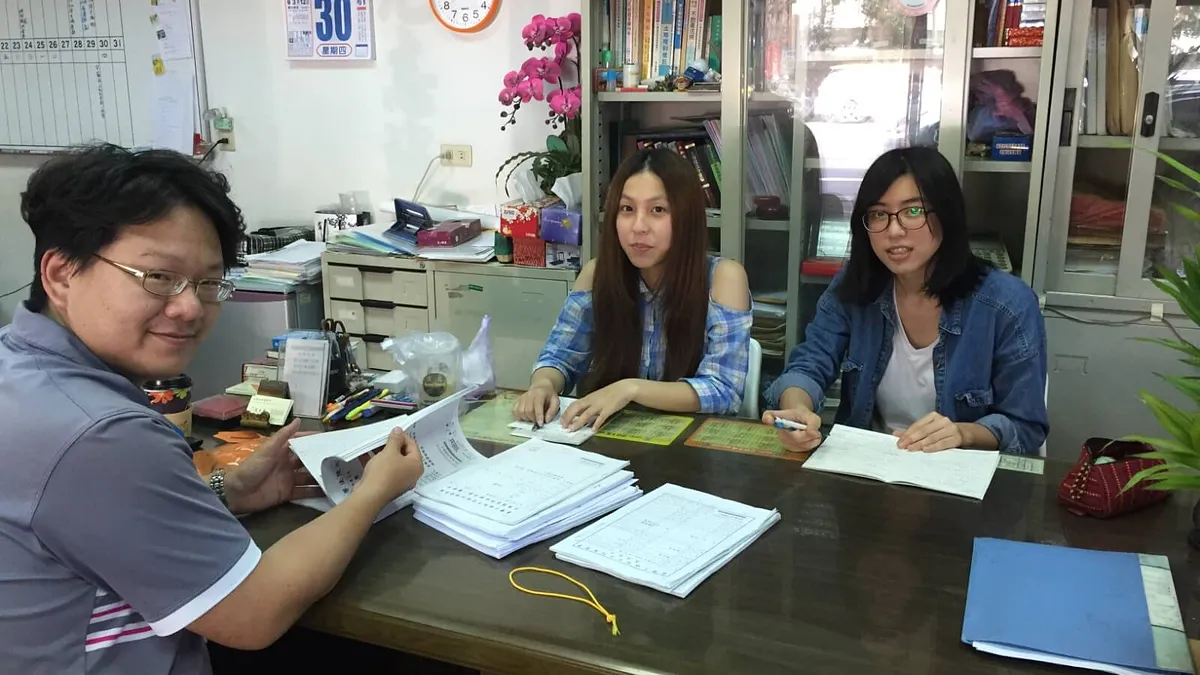
During the process of interviewing the parties, I deeply felt my own powerlessness and insignificance in the legal field. Therefore, we had to explain to them beforehand that we could not guarantee the completion of a retrial, and that this was merely a collaborative effort. I think such a statement could avoid unnecessary conflicts and prevent giving false hope to the parties. Dealing with parties involved is a warm experience; their emotions are vital, unlike the coldness of academic papers. I could only try to listen without giving advice, while assisting the lawyer in reviewing case files and organizing dossiers. This fostered a more genuine realization that we must work harder. There are so many people who are truly not fraudsters, yet the law, in order to solve problems on another level, chooses to sacrifice them by branding them as accomplices to fraud, while we can only accept the current system. We clearly know where the problem lies, but facing the colossal judicial system, we can only try to search for feasible solutions. The living conditions of the parties involved were also poor, which is why they fell into the traps set by scam syndicates. More often than not, they simply did not have the financial ability to hire a lawyer. This is not a situation unique to the man-of-straw account cases; lacking legal assistance is like cooking without salt. Without understanding the law, the parties can only face judges and prosecutors powerlessly and fearfully in the courtroom. Initially, they might believe the judicial system could restore their innocence, but after becoming scapegoats due to systemic issues, their belief turns into disappointment and anger toward the system. I believe this aspect is a societal tragedy.
From the beginning of winter break to the end of the semester, I think what I learned was not how to resolve the man-of-straw account case, but rather how to persistently search for solutions when facing a difficult problem, even if it is the hardest path. I also learned to face the parties involved and empathize with their emotions, though the most powerless feeling ultimately stems from not being able to help much. Because of this impact, I clearly understand that I must become a person of strength in order to protect the most vulnerable groups in society who truly need protection.
This article is an AI-generated translation of the original Chinese text. In the event of any discrepancy, the Chinese version shall prevail.