
Freedom of Expression / Right of Assembly
The acquittal in the March 18 case—whether grounded in civil disobedience or the protection due to political speech—has provided jurisprudential support for an increasingly constrained social movement space. The state should exercise self-restraint with its power and value the freedoms of speech and assembly guaranteed by the Constitution.
Why Must Freedom of Expression and the Right of Assembly and Parade Be Protected?
"Freedom of speech" is the foundation upon which a democratic society operates and a vital fundamental right of the people. Unless there is a clear and present danger, "prior restraint" or "prior censorship" of speech is impermissible. Even if the content of speech is improper, a subsequent liability system is adopted in principle—prior prohibition of the publication of speech is intolerable under the Constitution.
The right of assembly and parade is similarly a fundamental human right explicitly guaranteed by Article 14 of the Constitution. However, Taiwan has long suffered from the regulation of assemblies through a "permit system" and the indiscriminate prosecution of participants under charges of "obstructing an official in the performance of duties," causing citizens to face the risk of criminal prosecution when exercising their constitutional rights. The Judicial Reform Foundation has continuously spoken out on this issue, promoting substantive reform through both legal and advocacy routes.
Three Core Working Pillars
Advocacy for the Reform of the Assembly and Parade Act
The current Assembly and Parade Act adopts a "permit system," granting the police extensive discretionary power. It has long been criticized as a tool for controlling public assemblies. Since the Wild Strawberry Student Movement in 2008, the Judicial Reform Foundation has actively supported the abolition or reform of the Assembly and Parade Act, called upon the Legislative Yuan not to obstruct amendments to the act in 2012, and continuously monitored every case where individuals were prosecuted due to assemblies and parades.
In 2013, the Judicial Reform Foundation and over a thousand attorneys held a joint press conference condemning the police's unlawful arrests at protest sites and demanding accountability, demonstrating civil society's determination to defend freedom of speech and assembly.
Social Movement Support and Legal Protection for Civil Disobedience
Following the March 18 Sunflower Student Movement in 2014, a large number of students and participants were prosecuted. The Judicial Reform Foundation promptly issued legal opinions, provided accompanying attorney support during interrogations, and continually published commentaries on the legal justification of "civil disobedience," arguing that the state should not exhaust citizens' energy for civic participation through protracted litigation.
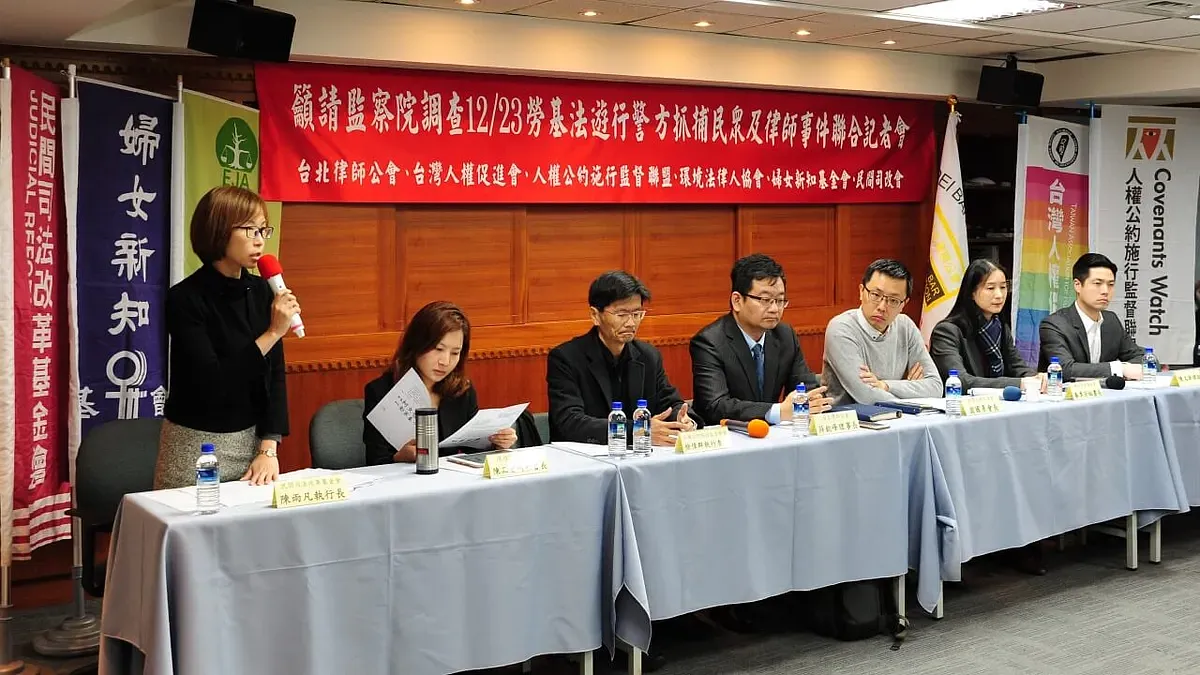
During the Labor Standards Act protest on December 23, 2017, police arrested citizens and even attorneys at the scene. The Judicial Reform Foundation joined multiple organizations in issuing a joint statement and called upon the Control Yuan to launch an investigation, emphasizing that this was a severe retrogression unseen in the thirty years since the lifting of martial law.
The Significance of the Acquittal in the March 18 Case: The court refused to support administrative agencies' abuse of the Criminal Code and the Assembly and Parade Act to intimidate the people, and it served as a reminder to frontline law enforcement officers: they are also a part of state power and should value the freedom of speech guaranteed by the Constitution.
Safeguarding Public Servants' Freedom of Expression—The Ch'en Wen-wei Case Series
Correctional official Ch'en Wen-wei long blogged about actual conditions in correctional institutions to reflect human rights issues within them, yet he faced disciplinary action. In 2016, the Judicial Reform Foundation held a series of forums to deeply explore the scope, intensity, and judicial review standards for safeguarding "public servants' freedom of expression," inviting scholars and practitioners to jointly discuss the matter.
This series of work included: explanations of the forum's origin, discussing public servants' freedom of expression from the perspective of "special legal relationships," analyses of whistleblower protection and political speech, and judicial review standards for disciplinary dispositions, forming a complete discourse database that became an important foundation for promoting relevant legislative amendments.
Key Advocacy Milestones
Early Focus on Freedom of Expression Cases
In 2004, the Judicial Reform Foundation evaluated the boundaries of freedom of expression regarding the "Countess and the Pig" case, pointing out the tension between the protection of reputation rights and freedom of expression. In 2005, the Taoyuan County Police Bureau seized the master tapes of the "Notorious VCDs" without obtaining a search warrant; the Foundation held a press conference criticizing the absurd performance of prosecutors and police in the "Notorious VCDs" incident, emphasizing that "prior restraint of speech" is impermissible under the Constitution.
Wild Strawberry Student Movement and Demands for the Abolition of the Assembly and Parade Act
In November 2008, Ch'en Yün-lin's visit to Taiwan triggered massive protests. The police restricted media filming and forcibly dispersed crowds, causing public uproar. The Judicial Reform Foundation supported the Wild Strawberry Student Movement, raising demands to "oppose the abuse of national security and police powers and review the pros and cons of the Assembly and Parade Act," while criticizing the Executive Yuan's draft amendment to the Assembly and Parade Act as merely a "whitewashed control act" that failed to genuinely protect the people's freedom of assembly.
In May 2009, on the eve of the official implementation of two international human rights covenants, the Judicial Reform Foundation held a press conference titled "I Accuse—Police State," questioning whether the government was truly prepared to implement human rights protections.
Advocacy for Amending the Assembly and Parade Act and Support from a Thousand Attorneys
In May 2012, civic associations jointly called on the ruling party (Kuomintang) not to obstruct amendments to the Assembly and Parade Act, emphasizing that the Legislative Yuan, as the supreme representative body of the people, has the responsibility to review relevant proposals rather than waiting solely for the Executive Yuan's version.
In July 2013, the Judicial Reform Foundation and over a thousand attorneys jointly held a press conference condemning unlawful police arrests at protest sites, demanding an end to the abuse of police powers and accountability for violent police officers, demonstrating the collective stance of legal professionals in defending civil liberties.
March 18 Sunflower Student Movement: Legal Support and Human Rights Solidarity
Following the outbreak of the March 18 Sunflower Student Movement, the Judicial Reform Foundation took immediate action: issuing a legal opinion on foreign students participating in the student movement (March 2014), providing accompanying attorney services during interrogations, and publishing commentary titled "Police Cannot Become Super Grand Justices," criticizing the police's arbitrary discretion over assembly sites.
After the student movement subsided, the Judicial Reform Foundation continued to monitor subsequent judicial prosecutions, pointing out that the state's practice of exhausting participants' energy through protracted litigation is essentially the suppression of citizen expression through judicial means, and calling on courts to actively protect freedom of expression. In November of the same year, it issued a statement regarding the forced clearance of Hong Kong's "Umbrella Movement," criticizing the Hong Kong government's violent trampling of human rights.
Ch'en Wen-wei Case: Public Servants' Freedom of Expression Forum Series
Correctional official Ch'en Wen-wei was disciplined for writing online articles exposing actual conditions in correctional institutions. Taking this case as its core, the Judicial Reform Foundation held a series of forums to deeply discuss the protection of public servants' freedom of expression from multiple angles: including a theoretical examination of "special legal relationships," spectral analysis of the intensity of freedom of expression protection, public servant whistleblower protection, and judicial review standards for disciplinary dispositions. The achievements of this series formed a complete body of academic discourse, holding significant reference value for subsequent discussions on related legal amendments.
December 23 Labor Standards Act Protest: The Democratic Retrogression of Arresting Attorneys
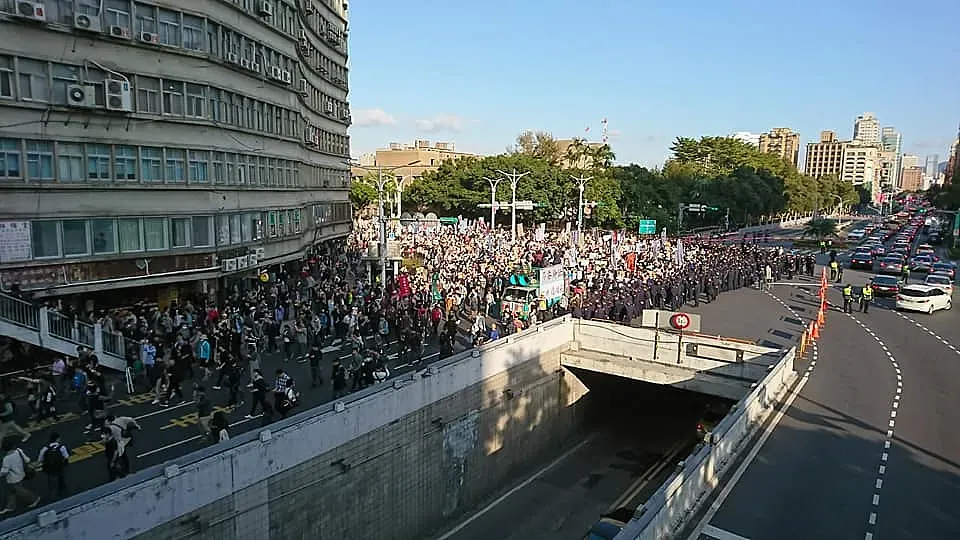
On December 23, 2017, citizens took to the streets to protest amendments worsening the Labor Standards Act. The police not only arrested citizens but also detained attorneys who arrived at the scene to provide legal assistance. The Judicial Reform Foundation, along with multiple civil groups, strongly condemned this, pointing out that "arresting attorneys" is a scene that occurs only in authoritarian states, and its occurrence in Taiwan thirty years after the lifting of martial law represents a severe retrogression of democracy and human rights.
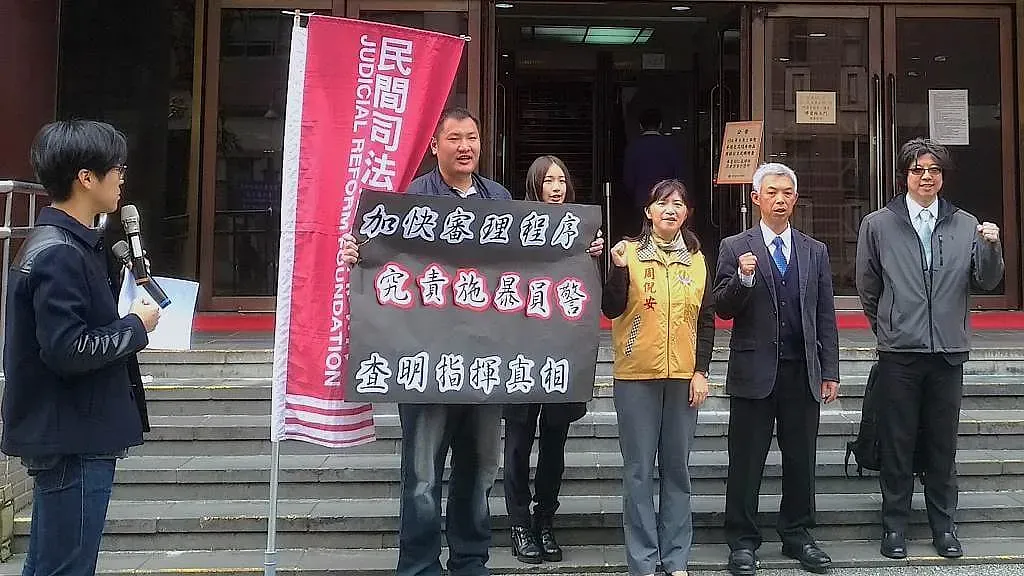
In January 2018, the Judicial Reform Foundation further called upon the Control Yuan to launch an investigation; in March of the same year, it held a pre-hearing press conference regarding legislator Chou Ni-an's accusation of assault against former Taipei City Police Department Commissioner Huang Sheng-yung, demanding expedited trials and accountability for the violent officers.
March 18 Case Finally Acquitted, Continuing to Deepen Civic Education
In March 2018, cases related to the March 18 Sunflower Student Movement resulted in acquittals. The Judicial Reform Foundation published commentary titled "The March 18 Occupation is Justified, Speech is Not a Crime," affirming the verdict's significant meaning for the protection of civil disobedience and political speech, and calling for this case to become a benchmark for future law enforcement officers to respect constitutional freedoms.
In recent years, the Judicial Reform Foundation has continued to promote civil society's understanding of freedom of expression through film screenings and panel discussions, including post-screening discussions of films such as Disobedience, The Attorney, and Democracy in Practice, allowing more people to understand the meaning of defending human rights.
Related Articles and Materials
- Event
- Press Release
- Press Release
- Press Release
- Press Release
- Event
- Event
- Commentary
- Commentary
- Commentary
- Commentary
- Commentary
- Commentary
- Commentary
- Commentary
- Commentary
- Commentary
- Event
- Press Release
- Press Release
- Press Release
- Press Release
- Commentary
- Commentary
- Commentary
- Commentary
- Commentary
- Commentary
- Press Release
- Press Release
- Press Release
- Press Release
- Press Release
- Press Release
- Press Release
- Press Release
- Commentary
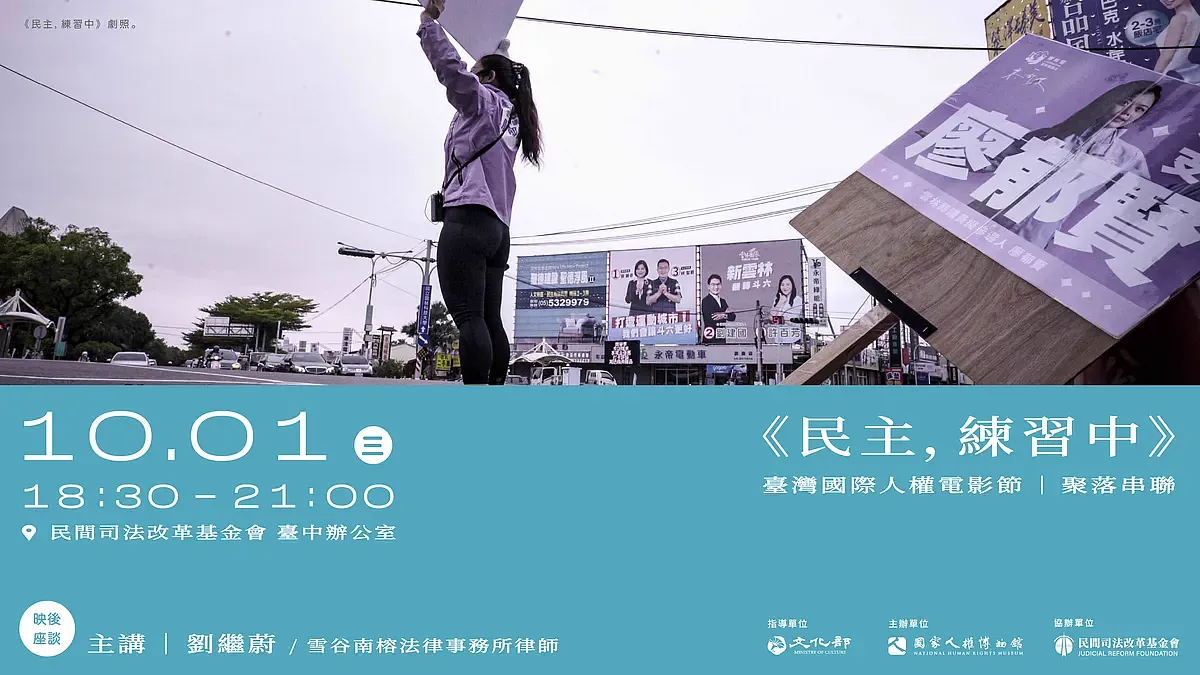
2025
"The Accidental Politician" Screening & Discussion | Taiwan International Human Rights Film Festival | Community Network
The 2014 Sunflower Movement sparked a wave of young people returning to their hometowns to enter politics; ten years…
2023
Sidelights | The Attorney: Political Struggle in 1980s South Korea—How the Law Was Abused
In the face of power, we must bravely stand up. Although most efforts may seem futile in the end, justice will answer…
2023
Sidelights | Screening and Post-screening Discussion of the Film 'Civil Disobedience'
Director Ch'en Yü-ch'ing spent five years filming and documenting the series of 'Red Martial Law' storms that erupted…
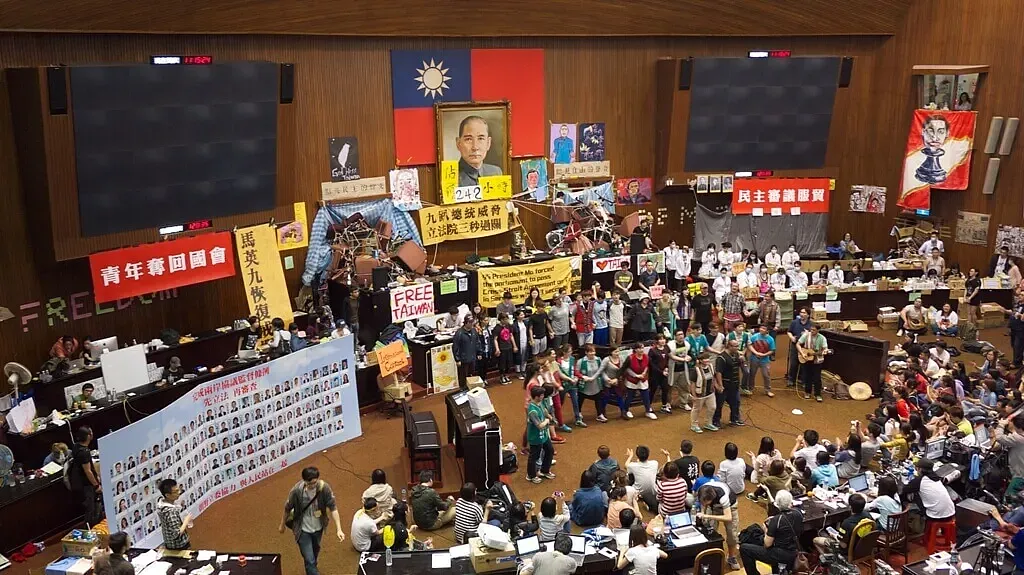
2018
The 318 Occupation is Justified, Speech is Not a Crime
The two acquittals in the 318 case, whether grounded in civil disobedience or the necessary protection of political…
2018
Speed Up Trial Proceedings, Hold Violent Police Officers Accountable, and Uncover the Truth Behind the Command Chain: Pre-Trial Press Conference for Former Taipei City Police Department Chief Huang Sheng-yung Accused by Legislator Chou Ni-an
Today (March 7) marks the pre-trial hearing for the attempted murder case filed by former Legislator Chou Ni-an against…
2018
Joint Press Conference Urging the Control Yuan to Investigate the Police Arrest of Citizens and Lawyers During the December 23 Labor Standards Act Protest
We remember December 23, 2017, when people took to the streets to voice their demands regarding the controversy…
2017
Total Rule, Total Regression! Joint Statement Regarding the Police Arrest of Citizens and Attorneys Following the December 23 Labor Standards Act Protest
In the year and a half since the Democratic Progressive Party (DPP) assumed "total governance" in 2016, it has not only…
2017
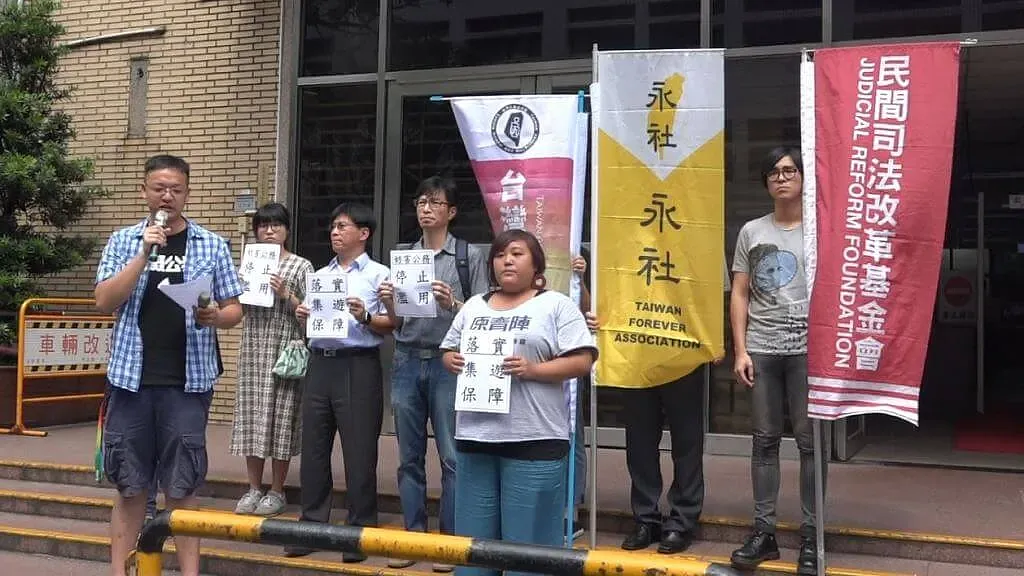
Failure to Protect Freedom of Assembly and Abuse of Obstruction of Official Duties Charges: Pre-trial Press Conference for the Second Instance of the "Passing by the Zhongzheng First Police Precinct" Incident
On the evening of April 11, 2014, crowds spontaneously "passed by the Zhongzheng First Police Precinct" after the…
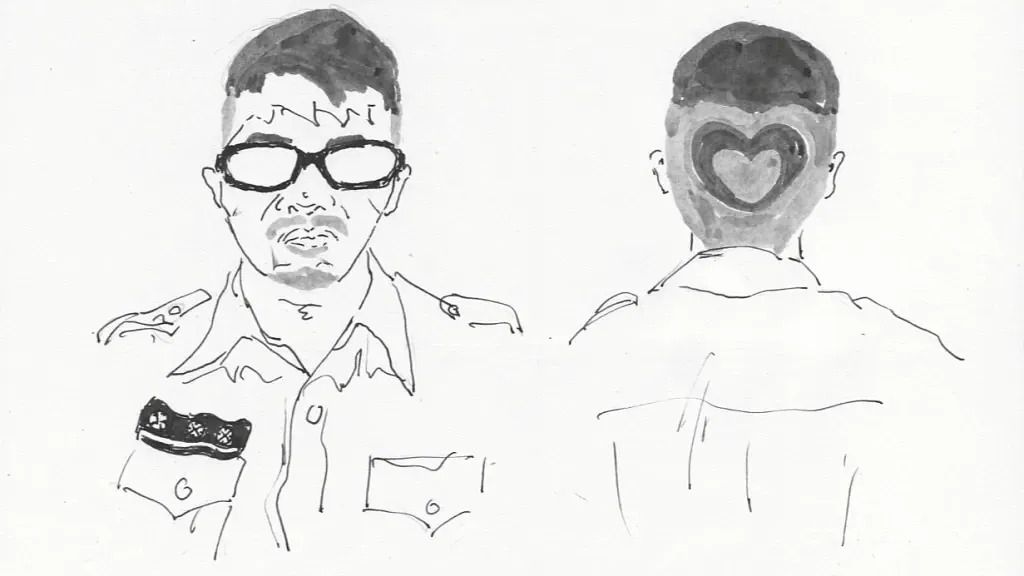
2016
The Courage to Speak the Truth: A Discussion on Lin Wen-wei's Prison Notes
According to the research of French philosopher Michel Foucault, "speaking the truth" in the Greek period was related…
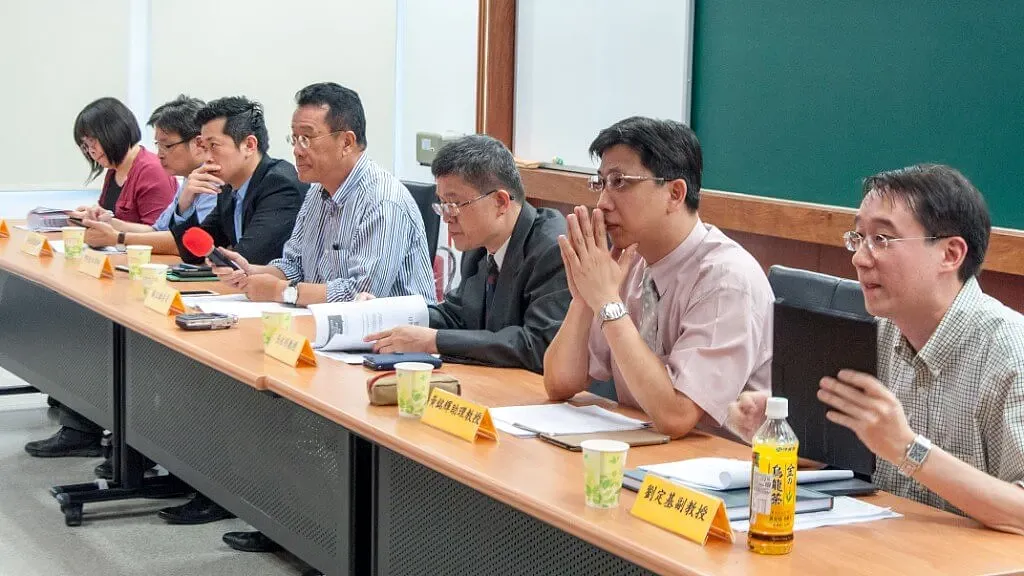
2016
[Record] Judicial Review Standards for Civil Servant Disciplinary Punishments: Focusing on Civil Servants' Freedom of Speech—Starting from the Lin Wen-wei Case
In recent years, the issue of prison reform has gradually received increasing attention. Human rights groups and…
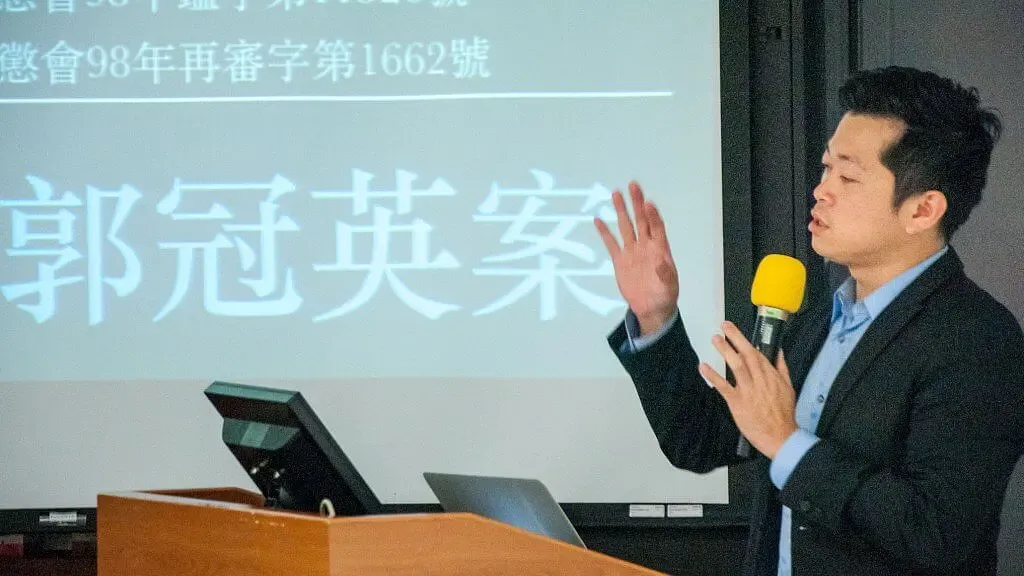
2016
A Brief Discussion on Civil Servant Whistleblowers and Practical Case Analysis of Political Speech
The main theme of this lecture discusses whether a civil servant can invoke freedom of speech to contest a disciplinary…
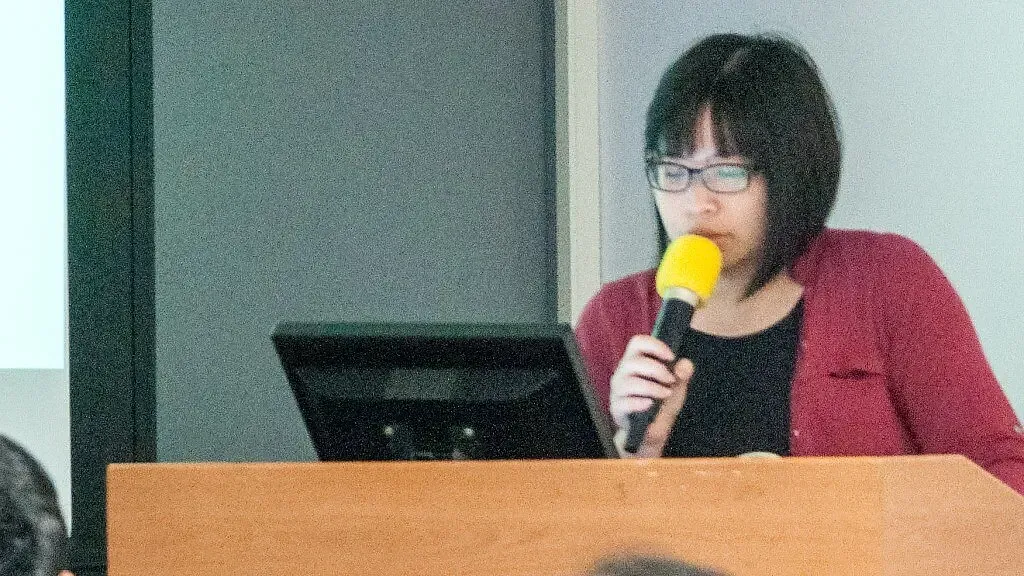
2016
Are Prison Reforms Strictly Black and White?
The Lin Wen-wei case serves as an opportunity to understand the plight of frontline prison officers and break down the…