
JRF's Statement on the Conclusion of the Investigation into the Chiang Kuo-ch'ing Case
Last edited: 2026-07-27
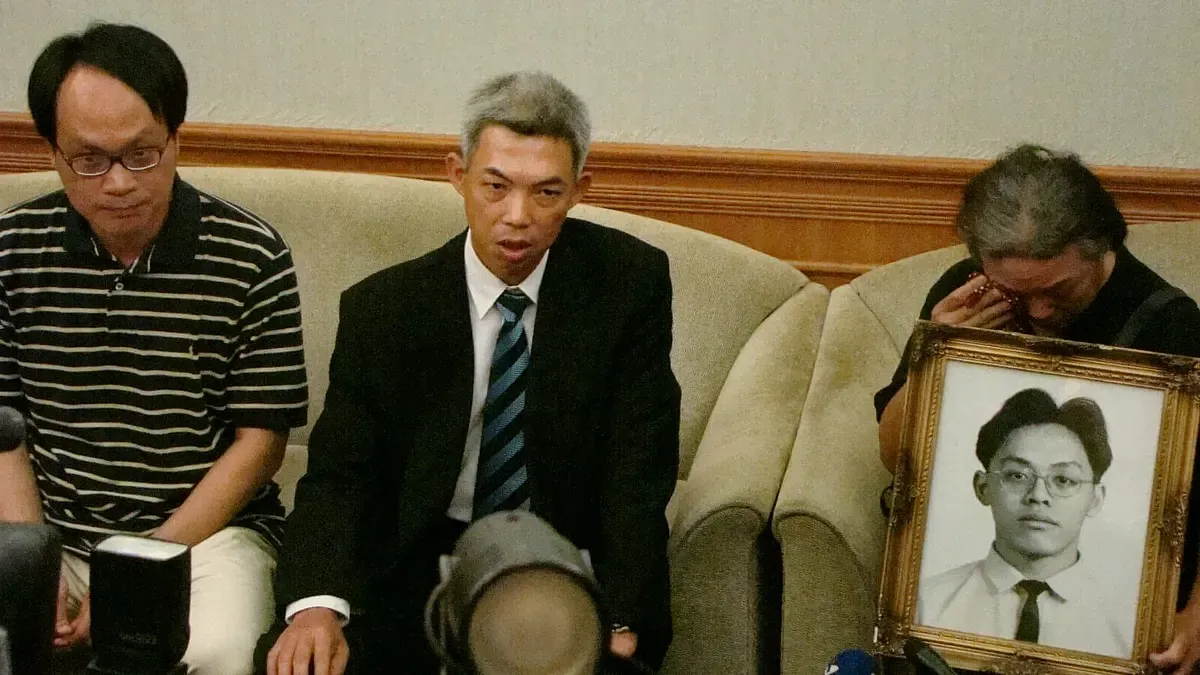
Regarding the prosecutors' conclusion of the investigation into the Chiang Kuo-ch'ing case, our foundation expresses the following views:
- The prosecutors' four-month investigation was extremely arduous and deserves recognition.
- Regarding Chiang Kuo-ch'ing's alleged involvement, the prosecutors' determination that Chiang did not commit rape and murder should contribute to the exoneration work in this case.
- Regarding the military officers, military prosecutors, and military judges—including Ch'en Chao-min—who investigated the Chiang Kuo-ch'ing case many years ago, the prosecutors declined to prosecute all of them on the grounds that the statute of limitations had expired. Our foundation finds this completely unacceptable. The "Joint Military-Judicial Task Force," jointly formed by prosecutors and the military, may have degenerated into a "Joint Military-Judicial 'Shifting Responsibility' Task Force." This is because the prosecutors could have indicted the military officers, including Ch'en Chao-min, under Article 125 of the Criminal Code for abuse of authority causing death; instead, on the grounds that Ch'en had not conspired with the military prosecutors and military judges, they determined that Ch'en and others were not accomplices, thereby evading the charges under Article 125 of the Criminal Code, which had not yet expired. This has resulted in a situation where torture is confirmed, yet no one is held accountable. This contradicts President Ma's guiding principles announced four months ago—namely, to ascertain the truth, exonerate the Chiang case, and hold the relevant personnel accountable. President Ma should take the initiative to understand the situation and promptly explain his views to the nation.
- Our foundation will continue to do our utmost to assist with the exoneration, accountability, and compensation work related to this case.
References
Article 80 of the Criminal Code (Statute of Limitations for the Right to Prosecute)
The right to prosecute shall be extinguished if a prosecution is not initiated within the following periods:
1. Thirty years for an offense carrying a maximum principal punishment of the death penalty, life imprisonment, or imprisonment for not less than ten years.
2. Twenty years for an offense carrying a maximum principal punishment of imprisonment for not less than three years and less than ten years.
3. Ten years for an offense carrying a maximum principal punishment of imprisonment for not less than one year and less than three years.
4. Five years for an offense carrying a maximum principal punishment of imprisonment for less than one year, short-term detention, or a fine.
The periods in the preceding paragraph shall run from the date the offense is consummated. However, if the criminal conduct is in a continuous state, the period shall run from the date the conduct ceases.
Article 125 of the Criminal Code (Offense of Abuse of Authority in Prosecution and Punishment)
A public official with the duty to prosecute or punish crimes who commits any of the following acts shall be sentenced to imprisonment for not less than one year and not more than seven years:
1. Abusing authority to effect an arrest or detention.
2. Applying violence or coercion with intent to extort a confession.
3. Knowing that a person is innocent yet subjecting them to prosecution or punishment, or knowing that a person is guilty yet causing them to escape prosecution or punishment without justifiable cause.
Whoever commits any of the offenses in the preceding paragraph and thereby causes death shall be sentenced to life imprisonment or imprisonment for not less than seven years. Whoever causes grievous bodily harm shall be sentenced to imprisonment for not less than three years and not more than ten years.
Press Contacts
JRF CEO, Attorney Lin Feng-cheng 02-2523-1178
Convenor of the Legal Team, Attorney Yu Po-hsiang 02-2368-1966
This article is an AI-generated translation of the original Chinese text. In the event of any discrepancy, the Chinese version shall prevail.