
Judicial Review Standards for Civil Servant Disciplinary Sanctions: Focusing on Civil Servants' Freedom of Speech—A Discussion Inspired by the Lin Wen-wei Case
Last edited: 2026-07-27
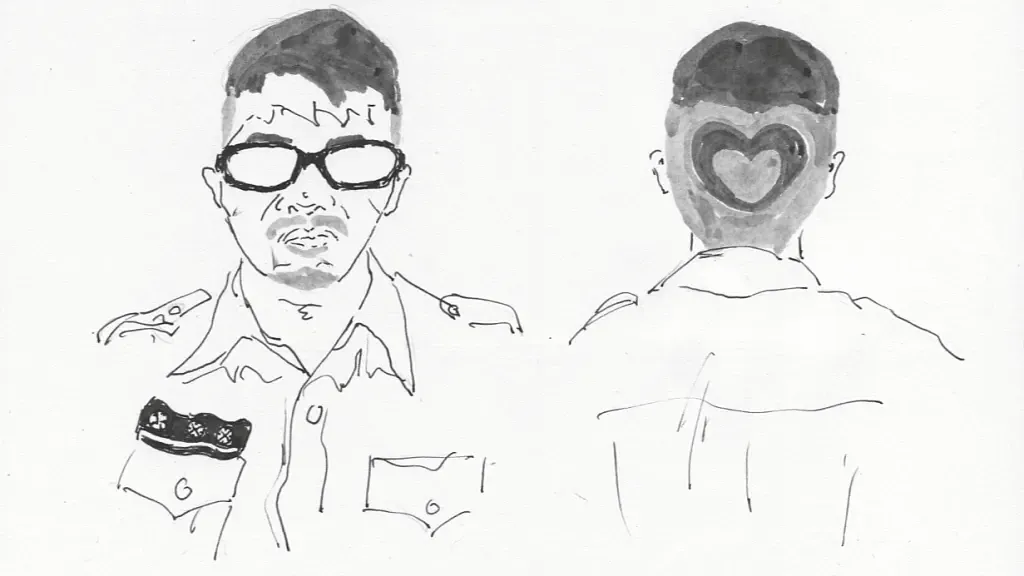
Photo/Lin Wen-wei Ewam Lin
Time
June 19, 2016 (Sunday) 13:00-17:30
Location
Multimedia Classroom 1301, Linsê Hall, National Taiwan University (No. 1, Sec. 4, Roosevelt Rd., Daan Dist., Taipei City)
In recent years, the issue of prison reform has gradually received increasing attention. Human rights groups and scholars frequently offer various observations and criticisms regarding prison problems. These observations and criticisms may appear in print media, television and film, or online platforms and other information mediums. However, what has drawn even more attention recently is that prison personnel themselves are raising observations and criticisms about prison issues based on their own personal experiences.
This kind of self-reflection and vocalization by internal personnel is extremely important. Because the transparency of information in prisons is low and they often give the impression of resisting reform, internal awakening and speaking out by prison personnel are tremendously helpful for changing the prison environment.
However, this year, prison guard Lin Wen-wei used artistic creation to reflect upon prison management issues, yet instead faced disciplinary action of two reprimands from the prison authorities. The stated reasons were that his writings cited unverified rumors, misled readers into believing the described disciplinary methods were true, damaged the reputation of the correctional institution, and constituted improper speech and conduct. Beneath the surface, this disciplinary case actually signifies how prisons use civil servant reward and punishment regulations to control internal voices. However, whether such internal control methods and means might infringe upon the constitutional protection of freedom of speech, and whether they involve the lingering ghost of special power relationships, are all open to question.
If state organs are bound to conduct certain evaluations or impose disciplinary actions on their personnel, what are the limits and scope of such evaluations and disciplinary measures? From the perspective of the health and continuous improvement of total institutions like prisons, how should we conversely contemplate how these evaluation or disciplinary items and procedures ought to be regulated, operated, or supervised?
This forum has invited relevant scholars and experts who care about this issue, and we also warmly invite people from all walks of life to participate in the discussion together.
Learn More
Agenda
| Time | Content | |
| 13:00-13:30 | Check-in | |
| 13:30-13:40 | Opening Remarks: Origins of the Forum |
Presenter Lin Wei-t'ing/Executive Secretary, Judicial Reform Foundation; Member, Taiwan Association for Prisoners' Rights |
| 13:40-15:00 | Practical Case Sharing |
Presenter Discussants |
| 15:00-15:10 | Break | |
| 15:10-16:30 | Discussion on Civil Servants' Freedom of Expression Regarding Their Job Duties |
Presenter Discussants |
| 16:30-16:40 | Break | |
| 16:40-17:30 | Q&A and General Discussion |
Moderator Ku Li-hsiung/Legislator |
Organizers
Judicial Reform Foundation
Taiwan Association for Human Rights
Taiwan Association for Prisoners' Rights
Taipei Bar Association
Public Law Research Center, National Taiwan University
This article is an AI-generated translation of the original Chinese text. In the event of any discrepancy, the Chinese version shall prevail.