
Why Are Judges and Prosecutors So Arrogant?
Last edited: 2026-07-27
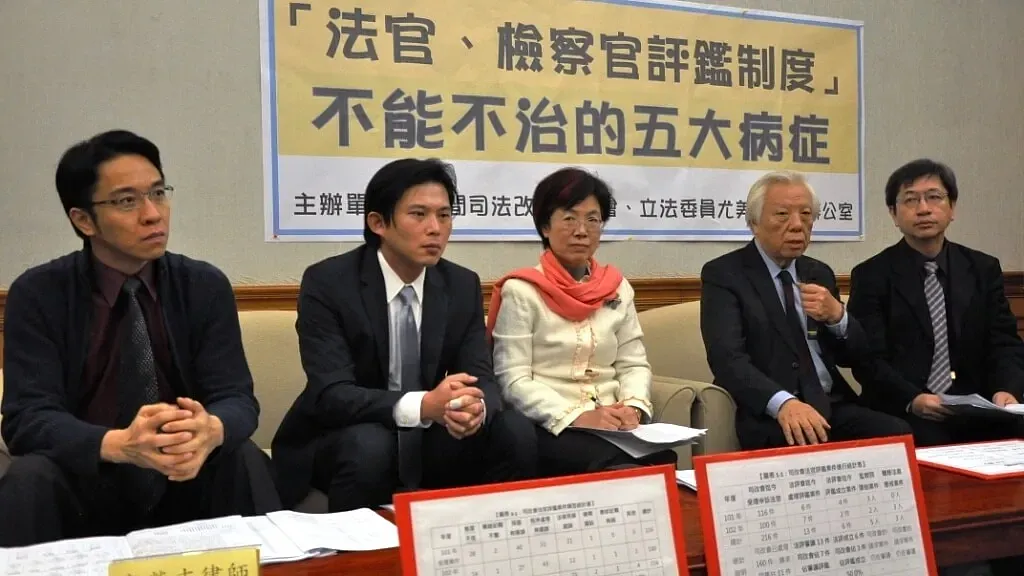
The evaluation system for judges and prosecutors has been in place for nearly three years, but the accountability and elimination mechanisms we once hoped for now appear to have failed. Regarding individual case evaluations of prosecutors in particular, the Prosecutor Evaluation Commission frequently rejects petitions from organizations such as the JRF and bar associations on the grounds that the two-year statute of limitations has expired. This approach not only severely misunderstands legal provisions but also completely undermines the function of the prosecutor evaluation system.
Before the implementation of the Judges Act, administrative accountability for prosecutors' abuse of prosecution powers could only be pursued under the Civil Servants Discipline Act. Pursuant to Article 25, Paragraph 3 of this Act, a 10-year statute of limitations for disciplinary action applies to illegal or derelict conduct. While this poses no major issue for ordinary civil servants, it may create loopholes in punishing prosecutors.
Whether a prosecutor has abused prosecutorial authority can often only be determined after a case is concluded or a final judgment is rendered. Given the current reality of trials in Taiwan, cases often take an inordinately long time from indictment to final settlement. This is especially true for felony trials, such as homicide and corruption cases, which frequently exceed 10 years. Under such circumstances, if a criminal defendant is finally acquitted after a lengthy trial process, administrative accountability against the prosecutor may no longer be possible due to the expiration of the disciplinary statute of limitations.
Following the implementation of the Judges Act, individual case evaluations of prosecutors seemed capable of remedying the limitations-period defect in the Civil Servants Discipline Act. However, pursuant to Article 36, Paragraph 1 of the Judges Act, requests for individual case evaluations must be made within two years. In other words, the evaluation statute of limitations under the Judges Act is actually shorter than the disciplinary statute of limitations, granting judicial personnel even greater protection than other civil servants.
To make matters worse, this short two-year statute of limitations has been interpreted by the Prosecutor Evaluation Commission as beginning when the prosecutor concludes handling the case. Yet the question remains: how could a defendant possibly—and how would they dare to—request an evaluation of a prosecutor before the case is finalized? And if they wait until the judgment is finalized, they inevitably face the dilemma of the statute of limitations having expired.
Although abuse of prosecutorial power can be held accountable under Article 125 of the Criminal Code for the offense of malicious prosecution, the requirements for this provision are so strict that it has become virtually a dead letter. The difficulty of criminal accountability thus highlights the importance of administrative sanctions. Yet the provisions of the Judges Act, originally intended to prevent judicial abuse of power, are actually more lenient than those for ordinary civil servants. If this is not reviewed and amended as soon as possible, these regulations are destined to become a protective shield for judges and prosecutors.
This article is an AI-generated translation of the original Chinese text. In the event of any discrepancy, the Chinese version shall prevail.