
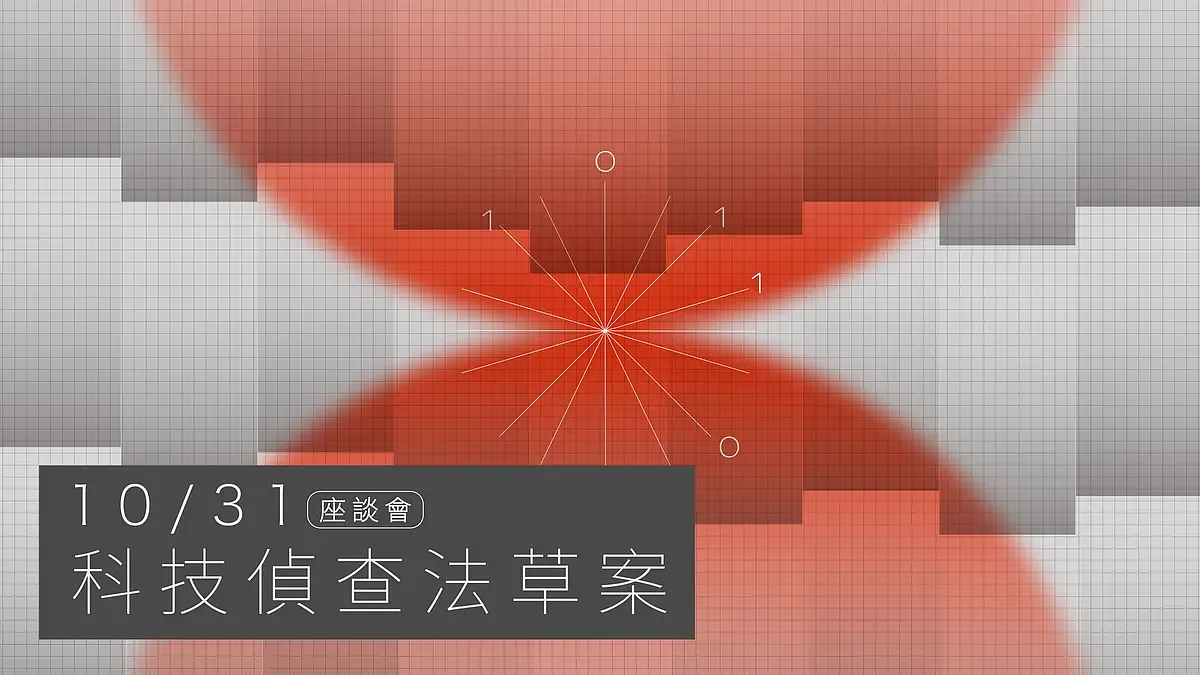
Event Record | Forum on the Draft Technology-Assisted Investigation Act
Last edited: 2026-08-29
※ Click the "" icon in the upper-right corner of the video above to view the complete playlist.
The Taipei Bar Association and the Judicial Reform Foundation have both been closely following technology-assisted investigation. Through this forum, they hope to encourage exchange among academics, civil society, and government practitioners; gather a range of views on the draft Technology-Assisted Investigation Act; help Taipei Bar Association members understand legal developments and handle related cases; and contribute to further discussion and reform of criminal procedure.
Opening Remarks
Introduction Lin Chun-Hung / Attorney; Chair, Criminal Law Committee, Taipei Bar Association
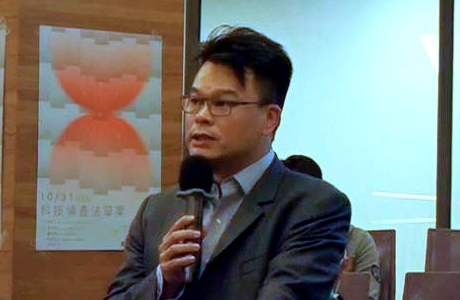
Lin Chun-Hung noted that rules governing technology-assisted investigation directly affect informational privacy and other privacy rights. Technology may assist law enforcement in investigating crime, but investigative powers must be balanced against meaningful protection of individual privacy.
Session I
Panelist Wen Tzu-Te / Assistant Professor, Graduate Institute of Law and Government, National Central University
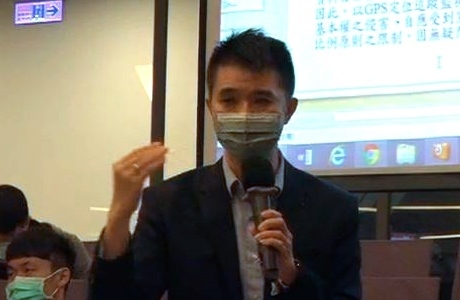
Using Supreme Court Judgment 106-Tai-Shang-3788 as a starting point and U.S. law as comparative material, Professor Wen Tzu-Te examined the Federal Rules of Criminal Procedure, the Electronic Communications Privacy Act, and the U.S. Constitution. He discussed the regulation of GPS tracking, unmanned aircraft systems (UAS), and remote searches in both doctrine and practice, and analyzed the draft Technology-Assisted Investigation Act through the principles of statutory authorization, warrants, and proportionality. His central reminder was that giving law enforcement new technological tools must be accompanied by adequate human-rights safeguards.
Panelist Lu Ying-Chieh / Professor, Department of Law, National Chung Cheng University
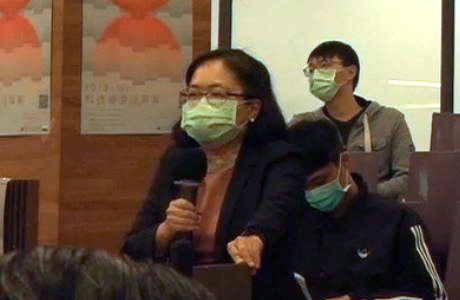
Starting from the German Code of Criminal Procedure's framework for technology-assisted investigation, Professor Lu Ying-Chieh discussed procedural requirements, deletion rules, notice obligations, statistical disclosure, and reporting requirements, as well as the requirements and procedures for "non-intrusive investigations" in private spaces. She then reviewed Germany's experience with acoustic surveillance of homes, Article 13 of the German Basic Law, and decisions of the Federal Constitutional Court. Turning to Taiwan's draft, she argued that its requirements were too skeletal: it did not adequately distinguish a defendant's home from a third party's home, address intrusions into the core sphere of private life, protect persons subject to confidentiality obligations or testimonial privileges, or provide rules requiring surveillance to stop and records to be deleted.
Session II
Panelist Chou Kuan-Ju / Specialist, Taiwan Association for Human Rights (Taiwan Internet Transparency Report)

Drawing on technology-assisted investigative practices already visible to civil society, Chou Kuan-Ju discussed access to personal data, statistics on GPS tracking, surveillance equipment in public spaces, M-Police, and the "Fayan" system. Referring to the Electronic Frontier Foundation's monitoring of the Dakota Access Pipeline protests in the United States, she raised concerns about weakening cybersecurity and interfering with freedom of assembly. She urged participants to consider transparency, notice requirements, audit systems, and other safeguards when designing rules for technology-assisted investigative measures.
Panelist Li Hao-Sung / Prosecutor; Deputy Director-General, Department of Prosecutorial Affairs, Ministry of Justice
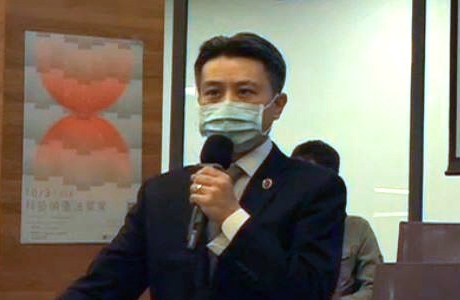
Prosecutor Li Hao-Sung addressed public misunderstandings about the draft, explaining that it would not permit law enforcement simply to install malware on a person's phone without judicial authorization; the power would be subject to specified restrictions. He compared a Grand Bench judgment of the Supreme Court of Japan with Taiwan Supreme Court Judgment 106-Tai-Shang-3788, reviewed the development of Taiwan's proposal, and explained its tiered safeguards, rules for non-intrusive investigation of private spaces, and device-side communications interception. He invited more informed public discussion of the proposed legal framework.
Plenary Discussion Video
This article is an AI-generated translation of the original Chinese text. In the event of any discrepancy, the Chinese version shall prevail.