
JRF Newsletter
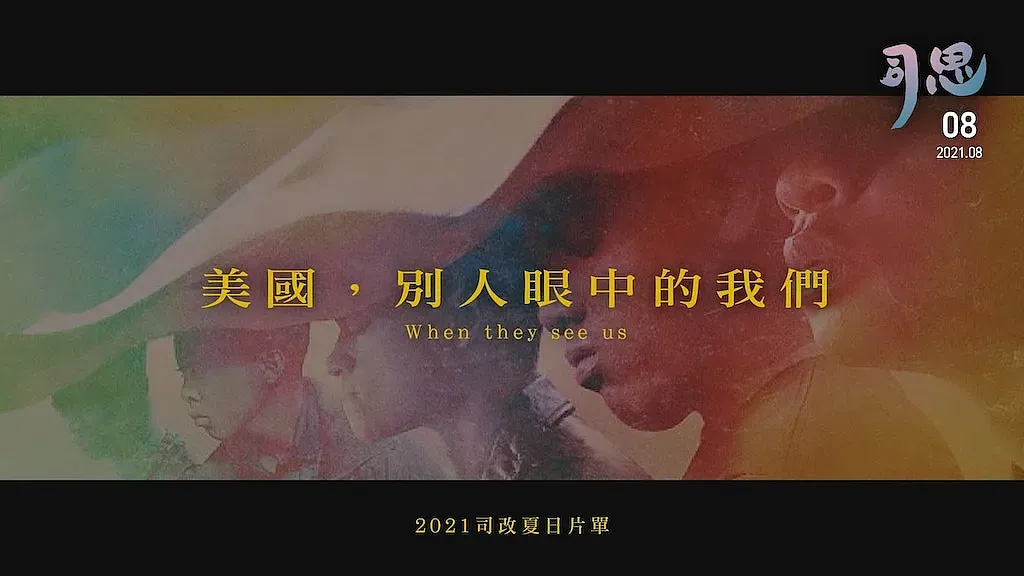
2021 Judicial Reform Summer Watchlist | When They See Us
Last edited: 2026-08-30
"When They See Us" is a miniseries based on the infamous real-life American wrongful-conviction case known as the "Central Park Five." Netflix describes the series this way: "Five Harlem teens ring in a nightmare when they're falsely accused of a vicious attack in Central Park." Netflix is often known for descriptions that do not quite capture what follows, yet this one ironically does capture the story of these five young men. Five Black and Latino youths-some from disadvantaged families, some habitual truants, and some unable to read-were convicted of jointly committing murder on the basis of baseless evidence and confessions obtained through improper interrogation.
When the Media Decides How We See Them
At the beginning of my internship at JRF, I encountered a case involving confidentiality of investigations. Footage of the incident had been selectively edited in a way that made the person involved a public target, while major media platforms filled with online smears and condemnation. That experience made me pay particular attention to the similarly significant role played by the media in this series.
After the Central Park incident, Donald Trump-then a prominent figure in business and public life-spent a large sum to take out full-page newspaper advertisements bearing the bold headline "BRING BACK THE DEATH PENALTY. BRING BACK OUR POLICE!" In television interviews, he also loudly demanded that the five teenagers pay for their alleged crimes in the name of public safety. On one side were powerful people in tailored suits; on the other were people at the bottom of society burdened with layer upon layer of labels. The enormous disparity in their ability to shape the media narrative made an already unequal situation even worse.
The Central Park Five case also showed me the American jury system at work. Yet the extent to which public opinion influenced the trial reminded me of the lament attributed to a student of Socrates after his death: "Public opinion executed a wise man." Taiwan's Citizen Judges Act was also about to take effect. As a university student, I could hardly predict how the system would develop, but the film's portrayal of public opinion and media stigma affecting the fairness of a trial seemed like a warning worth keeping in mind as Taiwan prepared to implement the citizen-judge system.
Further Reading
- The Fark Podcast: Investigations by Police, Prosecutors, and Investigators Laid Bare-Labeling People Before Trial, ft. Judicial Reform Foundation
- Criminal Defendants Forced to Become Internet Celebrities - A Brief Discussion of Confidentiality of Investigations and Trial by Internet
- A Stigmatized Reputation Is Hard to Restore: Confidentiality of Investigations Must Be Taken Seriously
- Doxxing, Trial by Internet, and Witch Hunts - Stories of People Harmed by Breaches of Investigative Confidentiality
 Source|Netflix
Seeing the Other Is Merely the First Step
Beyond the media's influence, the series raises many other issues. What struck me most were the difficulties the five encountered after leaving prison. When Raymond returned home, his family welcomed him warmly, yet he remained unusually quiet, looking at a home that was at once familiar and unfamiliar. Only after returning to his own room, still covered with band posters, did he quietly cry for the youth he had lost. He was later arrested again for a drug offense. Speaking by phone, he said he felt that he did not belong anywhere, laying bare society's hostility toward people returning from prison and raising a difficult question: do people seek out crime, or does crime find them? Heroes in American movies always say, "There is always a choice." But in an unequal social environment, how many choices do people at the bottom of society really have?
rThe series can be difficult to watch. From coercive police interrogation to court proceedings shaped by public opinion, each stage asks the viewer to be prepared to share the teenagers' anger and grief and their families' tears. The ending offers a Hollywood-style resolution: "They received the compensation they deserved, and justice was finally served." But how can so many lost years be compensated? Is delayed justice really justice, or only a piece of cloth laid over a festering wound to keep the flies away?
Why does the exonerated Central Park Five case, like so many wrongful-conviction cases that have occurred in Taiwan, still deserve our attention? What problems remain unresolved? I think seeing others is only the first step. What we choose to do after seeing them, and whether we continue to care about reform, are the questions I need to keep thinking about.
Further Reading
- The Reporter Special Feature|After Surviving Wrongful Imprisonment-Interviews with Su Chien-Ho and Hsu Tzu-Chiang on Rebuilding Their Lives
- The Reporter Special Feature|After Exoneration, Can We Really Prevent the Next Wrongful Conviction?
- October 16, 2020 Public Hearing on the Criminal Compensation Act: Remarks by JRF Attorney Lin Chun-Ju
- Storm Media Special Feature|Years After Exoneration, Still Waiting for an "I'm Sorry"-While a Judge Suggests "You Were Partly at Fault": An Attorney Exposes One of the Judiciary's Most Painful Blind Spots
This article is an AI-generated translation of the original Chinese text. In the event of any discrepancy, the Chinese version shall prevail.