
Sidelights | Testing Times After a Milestone: Challenges Following the Passage of the Stalking and Harassment Prevention Act
Last edited: 2026-09-02
The road is long and difficult, but if we take action, we will eventually reach our destination.
Thanks to the collaborative efforts of many individuals over the years, the Legislative Yuan finally passed the third reading of the "Stalking and Harassment Prevention Act" last November. While this is a major step forward for preventing stalking and harassment, the challenges that follow the enactment deserve our close attention.
For the first half of this lecture, we specially invited Ling-Chun Chen, the National Police Agency (NPA) official assigned to lead the legislative amendments for the Act (then serving as Chief of the Women and Children Protection Division under the NPA's Armed Police and Prevention Division), to deliver the keynote address. Chief Chen has dedicated many years to the protection of women and children. In addition to sharing the legislative purpose and process of the Act, she also clarified numerous questions regarding its provisions.
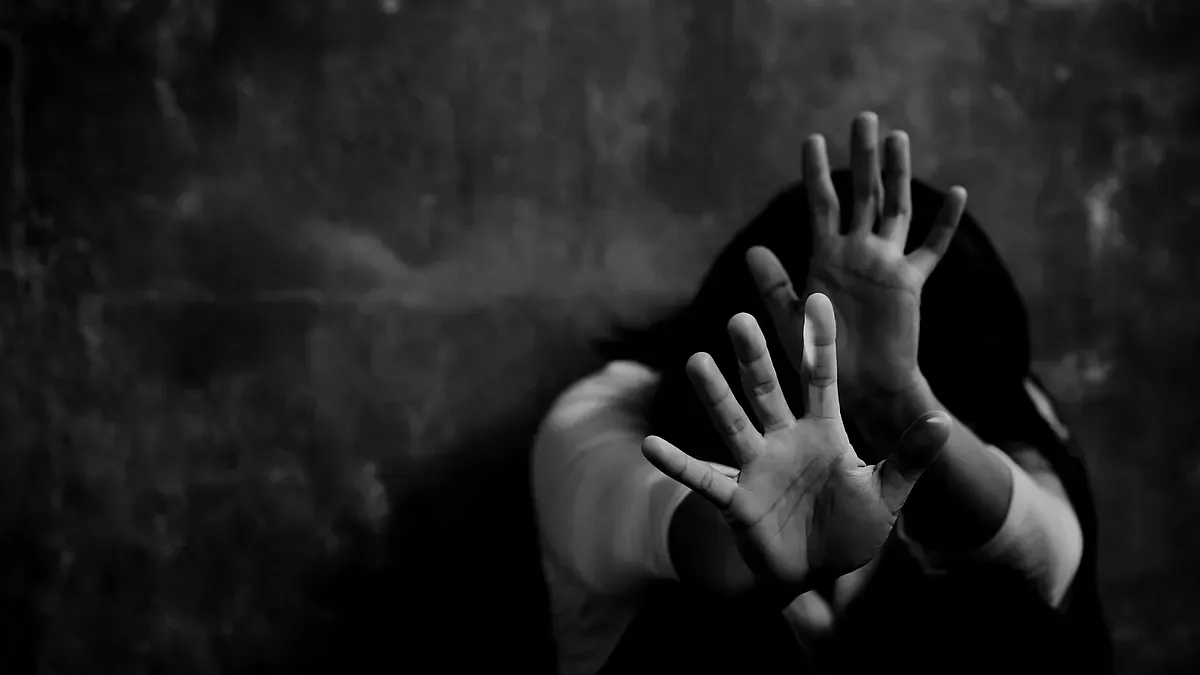
In recent years, cases of stalking and harassment have emerged endlessly, predominantly involving men stalking women. Taking the recent murder case of a Malaysian female university student in Tainan City as an example, many women are exposed to such danger and fear. These tragedies served as accelerators for the formulation and passage of the Stalking and Harassment Prevention Act.
With the passage of the Act, whether police officers can handle related cases professionally is also a matter of widespread concern. Chief Chen mentioned that the police force is currently conducting professional training for officers. This includes training seed instructors from the Women and Children Protection Units of various police agencies and the domestic violence officers of each precinct, conducting cascading lectures, and utilizing "practical drills" to handle stalking and harassment cases.
The second half of the lecture featured Attorney I-Fu Lin as the keynote speaker, who focused on the content of the Act and the definition of stalking and harassment behaviors.
As the Book of Songs says: "Stones from other hills may serve to polish jade."
Before Taiwan passed its Stalking and Harassment Prevention Act, both Japan and Germany had already taken the lead in enacting the Stalking Prevention Act and the Persistent Stalking Punishment Act, respectively. Both laws provided significant inspiration for Taiwan's Stalking and Harassment Prevention Act.
Attorney Lin noted that the most critical aspect of stalking and harassment behavior is that it repeatedly or continuously impacts the victim's daily life, and this behavior must be related to sex or gender. However, I believe that not every stalking and harassment case is necessarily connected to sex or gender. For example, when fans obsessively pursue celebrities, encroaching too closely on their private lives or even harassing and stalking them, there is currently no legal recourse to resolve or prevent this. It is not difficult to see that this legislation is primarily designed to prevent gender-related stalking and harassment. Yet, there are many other issues, such as debt collection, which may be the next target for legislators to tackle. If one day the Stalking and Harassment Prevention Act can be expanded to cover non-gender-related cases, wouldn't it benefit even more people?
Long-term stalking and harassment cause immense physical and psychological harm to victims. The passage of the Stalking and Harassment Prevention Act will bring many positive impacts, and the professional explanations provided by the two legal experts have offered us insightful analyses and perspectives, leaving us full of anticipation for the future efficacy of this law.
This article is an AI-generated translation of the original Chinese text. In the event of any discrepancy, the Chinese version shall prevail.