
Exhibition Sidelights | Looking Back at Taiwan Through a Hong Kong Photography Exhibition
Last edited: 2026-11-04
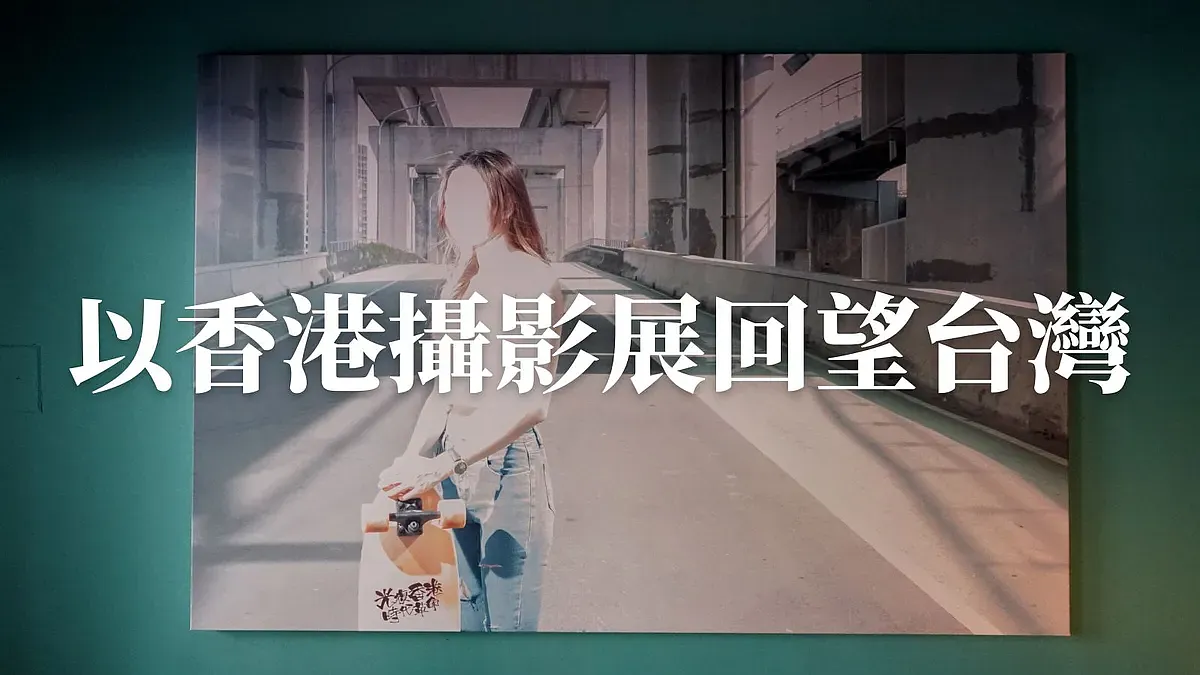
Today I visited the Taichung Office of the JRF to see photographer Ko Chung-ming's photography exhibition, which completely subverted my impression of traditional photography exhibitions. The exhibition not only presents static images of participants in Hong Kong's Anti-Extradition Law Amendment Bill Movement, but also integrates the entire exhibition space to interpret the photographer's concern for the movement and for the plight of its participants.
First, the exhibition begins on the ground floor by welcoming visitors with a living room setup, which simultaneously portrays how Hongkongers affected by the Anti-Extradition Movement were forced to leave their homeland and navigate the sense of drifting across the sea in search of a new home.
Moving up to the second floor, alongside the portraits of movement participants displayed on the walls, the venue periodically simulates the smoke-filled environment of tear gas encountered by democracy activists during protests. When the smoke becomes so dense that you cannot see your own fingers, one can readily imagine the panic and helplessness felt by those participating in the revolution.
Ascending to the third floor, visitors encounter an exhibition room constructed with everyday household items. On the walls are photographs capturing the aftermath of the protests; in the middle of the room is a bed, and outside the window is the streetscape of Taichung. Yet despite the presence of a bed, which seemingly offers stability and rest, the images on the walls symbolize the various hardships faced by democracy activists and the heartbreaking agony of losing their homeland, echoing the theme of the room: "Chronic Hong Kong Injury."
Finally, the journey of the photography exhibition reaches the basement, where photographs of injuries sustained by movement participants are hung on barbed wire. Nearby, an emergency exit staircase echoes the hope of the participants that the movement would find a way out and that Hong Kong could be saved. However, the basement remains a lightless space, leaving me, as a visitor, feeling even heavier-hearted for Hong Kong.
I am grateful to the JRF for hosting photographer Ko Chung-ming's exhibition, allowing someone like me, situated in the free and unrestrained treasure island of Taiwan, to catch a glimpse of what Hong Kong looked like during the Anti-Extradition Movement and to experience the helplessness of surviving a catastrophe. In terms of international positioning, Taiwan and Hong Kong share very similar predicaments. After viewing the exhibition, my only hope is that the people of Taiwan will cherish our precious freedom, democracy, and rule of law, so that our generation and all generations to come may continue to live freely and at ease.
This article is an AI-generated translation of the original Chinese text. In the event of any discrepancy, the Chinese version shall prevail.