
Have You Ever Heard of Chiou Ho-shun Before? — Reflections on Participating in the "Hải Vượng Breaking Dawn" Campus Exhibition at National Tsing Hua University
Last edited: 2026-07-27
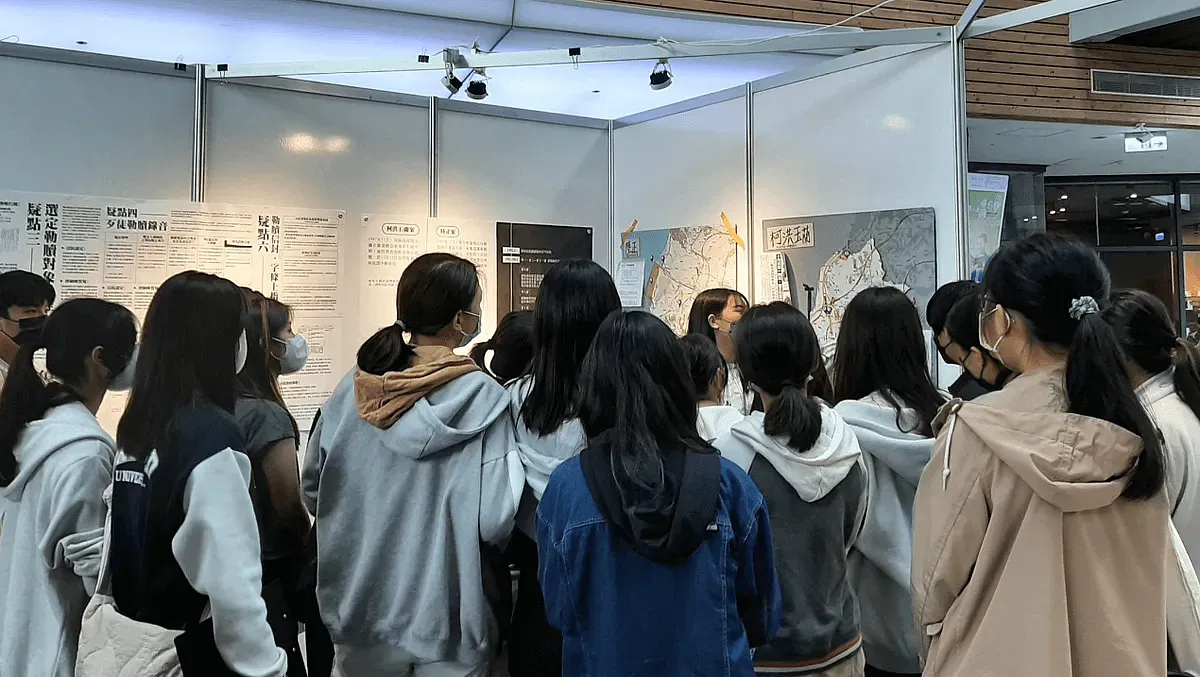
Serving as a docent for the "Hải Vượng Breaking Dawn" exhibition at National Tsing Hua University, I had actually never heard of this case before. At the beginning of each tour, I would ask the visitors, "Have you ever heard of Chiou Ho-shun before?" The vast majority of people would shake their heads or say, "It sounds a bit familiar, but it must have happened a long time ago, right?" However, after listening to the introduction—especially about the extremely unreasonable investigative processes in the Lu Cheng case and the K'o Hung Yu-lan case—everyone would show an expression of utter disbelief. We might be able to understand how such a wrongful conviction could happen over thirty years ago, during an era when the shadows of the White Terror still lingered, but it is truly hard to accept that, to this day, we still cannot clear his name of the wrongful charges he unjustly bears, constantly reminding us of how hard-won fairness and justice are.
What made it particularly special was that over the weekend, a group of students from Chien-Kung High School, led by their civics teacher, came to Tsing Hua University to view the exhibition. Because I was scheduled for the weekend shift, I had the opportunity to guide the students. I found that during the tour, the most difficult part was not describing the details and suspicious points of the case, but rather explaining, after introducing the case, "Since this is a wrongful conviction, why have so many judges found him guilty?" This was also what I myself found most perplexing when I first learned about the case. Especially when introducing to high school students that "judges throughout the past have been pressured and unable to acquit him," I suddenly felt a sense of absurdity, inwardly questioning, "Is this really something they should be learning in their social studies class???" In truth, it generates a very strong sense of helplessness. Yet I believe that presenting this wrongful conviction to the public today is not to make people lose faith in the judiciary, but to recognize that the judiciary cannot be flawless and our existing capabilities are very limited. Exoneration is a very long road, but because so many people are paying attention and pushing forward, we can continue to make slow, incremental progress bit by bit.
My personal favorite part of this exhibition was the handwritten letters written by A-shun to volunteers on the wall of the prison cell model. After every tour, I would invite the audience to take their time reading them. A-shun has spent over thirty years of his youth in prison, yet so much pain and injustice have failed to turn him into someone full of hatred toward society. Between the lines, those letters are filled with warm emotions and memories; it is completely unimaginable that the person who stroke by stroke wrote these words has endured unfair treatment for the better part of his life. Finally, I wish A-shun peace and health, and may Hải Vượng see the light of day once again!
This article is an AI-generated translation of the original Chinese text. In the event of any discrepancy, the Chinese version shall prevail.