
Post-Event Press Release | Opening of the "I Thought——" Special Exhibition in Taichung: From #MeToo Survivors to Legal Dialogue, Redefining the Diverse Faces of Judicial Reform
Last edited: 2026-08-25
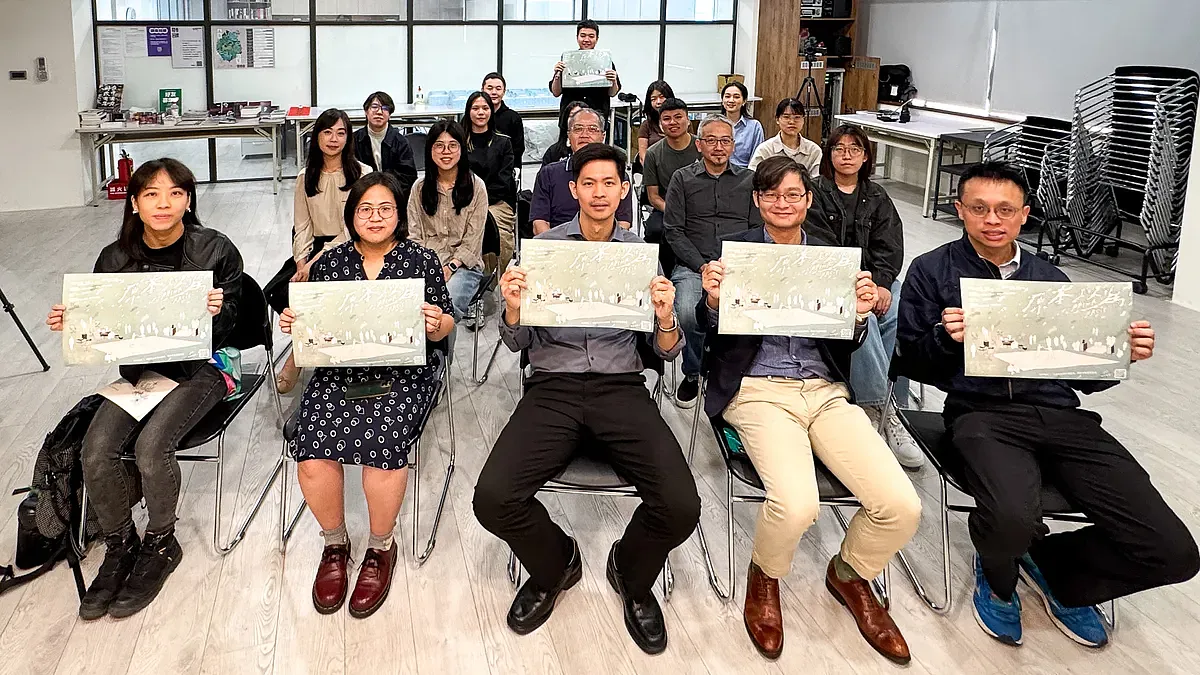
The Taichung Office of the Judicial Reform Foundation (hereinafter JRF) recently hosted the opening reception for the "I Thought——" special exhibition. Breaking away from the rigid presentation of core judicial reform issues in the past, this exhibition marks JRF's first collaboration with artist Lee Tzu-tung. Through an artistic lens, it explores judicial dilemmas, gender awareness, and the intersection of law and power in the wake of the #MeToo movement, guiding the public to rethink the boundaries of judicial reform.
From Masculine to Egalitarian: JRF's 30-Year Transformation and Aspirations
JRF CEO Lee Ming-ju expressed warmly in her remarks that since its establishment 30 years ago, JRF has long projected an image centered on criminal defense and "masculinity," and was previously criticized for a lack of gender awareness. However, through learning and legislative collaboration with women's and gender organizations, JRF has internally established a "Gender Working Group" and dedicated itself to emerging issues such as the prevention of digital sexual violence.
The CEO emphasized that for younger generations of lawyers, traditional judicial system reform may no longer carry the intense sense of crisis it did 30 years ago, yet gender and digital issues represent social contexts they can personally feel in their daily lives. This exhibition aims to use cross-disciplinary artistic expression to attract diverse groups and generations to step into JRF, enriching the public's imagination of judicial reform from a legal perspective.
.

"I Thought" Curator Lee Tzu-tung: Survivor Confessions and Legal Reflections
Lee Tzu-tung, the curator and artist of this exhibition, is also a whistleblower and survivor of the #MeToo movement. They shared the legal recourse process they and seven other netizens experienced after speaking out and subsequently being counter-sued by alleged perpetrators for offenses such as defamation. They noted that this phenomenon, known globally as Strategic Lawsuits Against Public Participation (SLAPPs), subjects survivors to tremendous psychological and economic pressure in their pursuit of justice.
Lee Tzu-tung pointed out that the exhibition theme "I Thought" reflects the state of mind of various roles in these cases: survivors "thinking" the perpetrator was a good person, or "thinking" the judiciary would swiftly deliver justice; prosecutors "thinking" about what a survivor's trauma ought to look like; and even perpetrators "thinking" their actions were unproblematic. These misaligned perceptions constitute the complex conflicts present in gender cases.

Two Major Exhibition Zones: Conversational Chatbot and Feminist Combat Space
The exhibition is divided into two main spaces, offering an interactive viewing experience:
-
Dialogue Space (Interactive Zone): The artist interviewed seven lawyers with different experiences and translated the interview contents into chatbots. Through conversations with the bots, visitors can understand how lawyers, influenced by different personal backgrounds, develop diverse and even conflicting perspectives when handling gender cases.
- Feminist Combat Space: This area provides courses, work manuals, and scriptwriting tools.
Lee Tzu-tung stated that survivors often find it difficult to provide 100% "evidence" during judicial proceedings, but the truth of their bodies should not be silenced. In this space, visitors can write scripts of "revenge" or "gratitude" for their own bodies, reclaiming their right to speak.
Continued Deepening: Gender Issues and Permanent Exhibition
The core focus of the office's operations this year will center on the theme of "gender," including collaborating with universities to run camps and holding debate competitions. In addition, a permanent exhibition regarding JRF is expected to launch in early April, presenting JRF's major reform achievements over the past 30 years as well as the institutional dilemmas faced in wrongful-conviction advocacy. The "I Thought——" special exhibition runs for a longer duration, and JRF sincerely invites the public to step into the Taichung Office, using the guidance of art to break established frameworks of the judiciary and jointly participate in this profound dialogue on power, the body, and the law.

This article is an AI-generated translation of the original Chinese text. In the event of any discrepancy, the Chinese version shall prevail.