

JRF Newsletter: May 2026
Facing Injustice: What Kind of Guardian Are You?
Last edited: 2026-08-28
On May 9, 2026, the Judicial Reform Foundation held the academic symposium “Thirty Years of Judicial Reform: A New Blueprint for Reform and Future Prospects” at the National Taiwan University College of Law. At the event, the draft Second-Generation Judicial Reform Blueprint was released for comments and guidance from experts and scholars across different fields as we continue advancing reform.
When the Judicial Reform Foundation was established in 1995, Taiwan's judicial system faced numerous complex problems. Former Chairperson and attorney Chen Chuanyue therefore formed a committee, which published the First-Generation Judicial Reform Blueprint in 1997 as a benchmark for long-term advocacy. In early 2009, a decade after the blueprint was proposed, discussions began on a new-generation blueprint reviewing the reform proposals made ten years earlier. The project was not completed because of its enormous scope. Deliberations resumed in 2013, but after the Presidential Office convened the 2017 National Congress on Judicial Reform, the relevant reform proposals were presented to the public separately.
The year 2025 marked the Foundation's 30th anniversary, while the implementation of the resolutions adopted by the National Congress on Judicial Reform had reached an interim conclusion. In reviewing the issues for the next stage of reform, the Foundation determined that 60 items had been achieved, representing an implementation rate of 56 percent. Major institutions concerning the Constitutional Court, the Judges Act, evaluations of judges and prosecutors, and legal aid had all been established through legislation, while the problems they faced had also changed. Many proposals had likewise evolved in response to changing social conditions and institutional developments. Chairperson Huang Hsu-tien therefore relaunched the preparation of the Second-Generation Judicial Reform Blueprint in 2025, building on past achievements while continuing to advance judicial reform.
The draft Second-Generation Judicial Reform Blueprint is 31 pages long and divided into ten chapters. Its subjects include “Court Organization and the Judicial System,” “Justice Administration, Prosecutorial Organization, and the Prosecutorial System,” “The Attorney System,” “The Police System,” “Civil Procedure,” “Criminal Procedure,” “Enforcement of Sentences and Prison Reform,” “Administrative Litigation,” and “Human Rights Protection.” The chapter on “Human Rights Protection” addresses such diverse dimensions as “Protecting the Rights and Interests of Crime Victims,” “Establishing a Gender-Friendly Judicial Environment,” “Advancing the Rule of Law in the Digital Age,” “Improving the State Compensation System,” and “Actively Implementing International Human Rights Standards.” Compared with the First-Generation Judicial Reform Blueprint, the breadth and level of detail of the issues have increased substantially, demonstrating the importance and necessity of continuing reform.
Through 30 years of steadfast effort, the Judicial Reform Foundation has always believed that judicial progress lies not in slogans, but in a commitment to justice in every individual case. The release of the draft Second-Generation Judicial Reform Blueprint is not only a summary of the past 30 years, but also an invitation to the future. Facing new challenges such as digital transformation and increasingly refined human rights protections, we invite all sectors of society to walk alongside us and join together as a substantive force for reform, so that justice may become our shared promise—a promise of fair trials, a culture of equality, and a society that embodies justice.

“I used to think that as long as I told the truth, the world would give me justice.” This sentence captures the heaviest sorrow felt by many people who spoke out during #MeToo. On the law's finely calibrated scales, trauma is often reduced to cold evidence, while a system meant to serve as an umbrella of protection can instead become a tool for silencing.
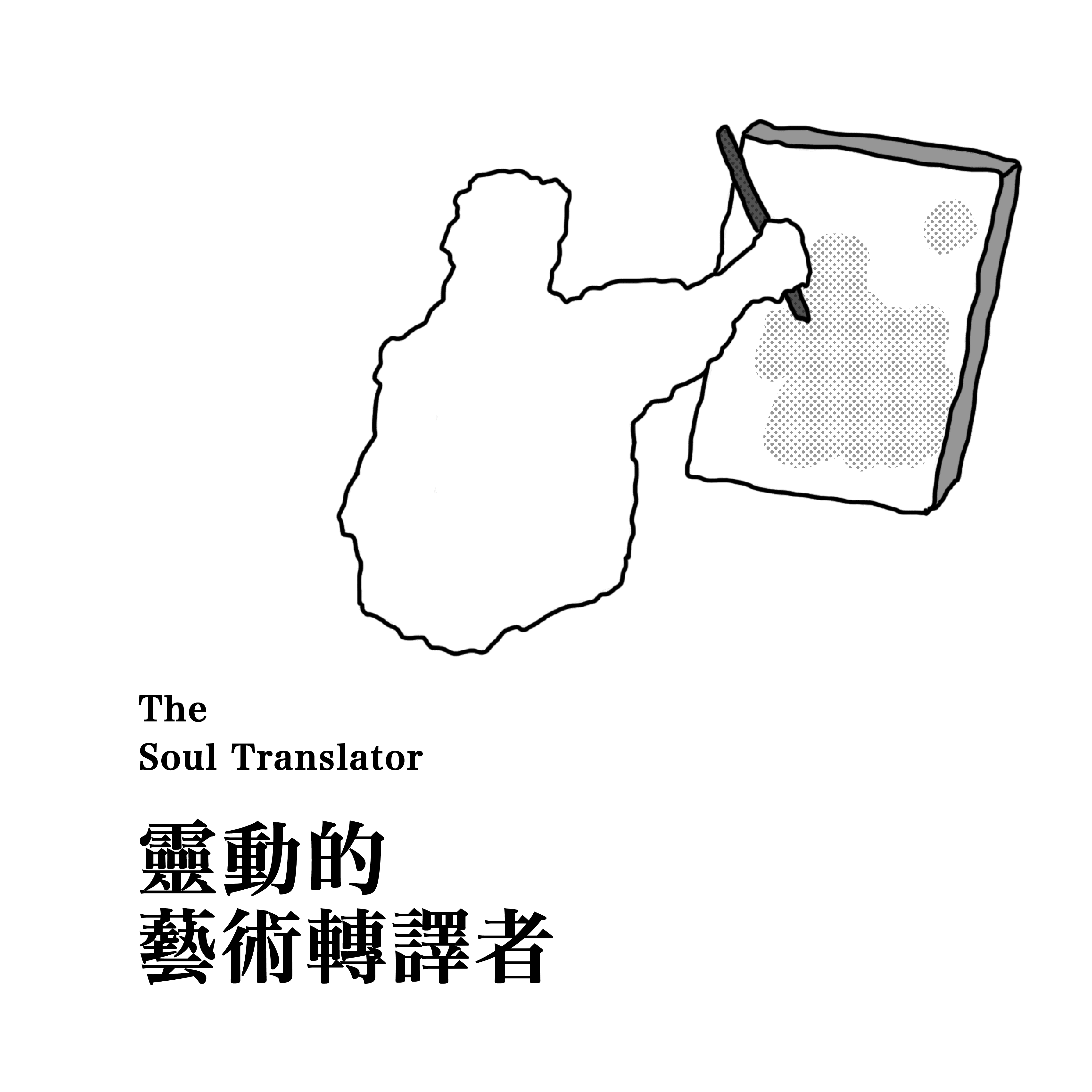
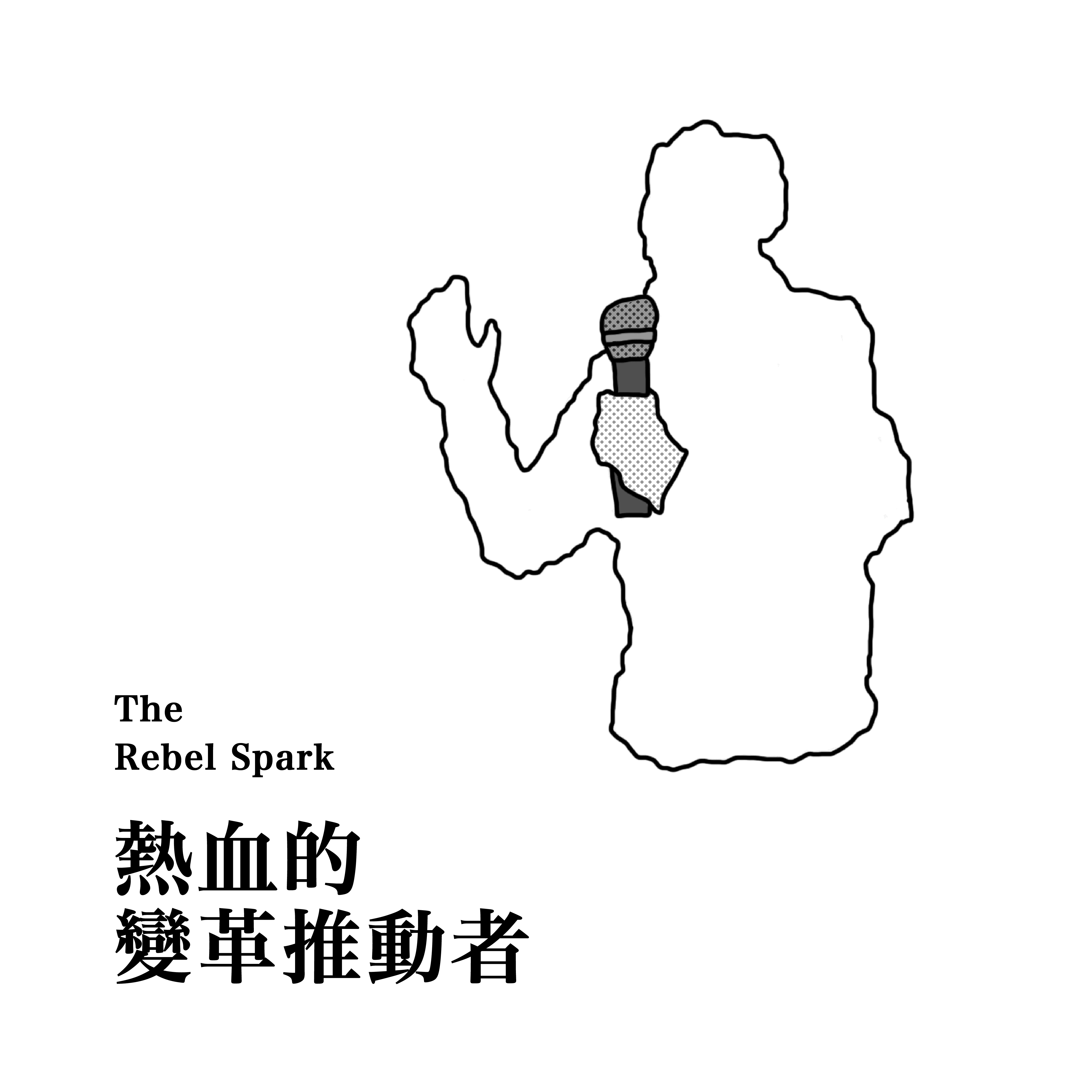
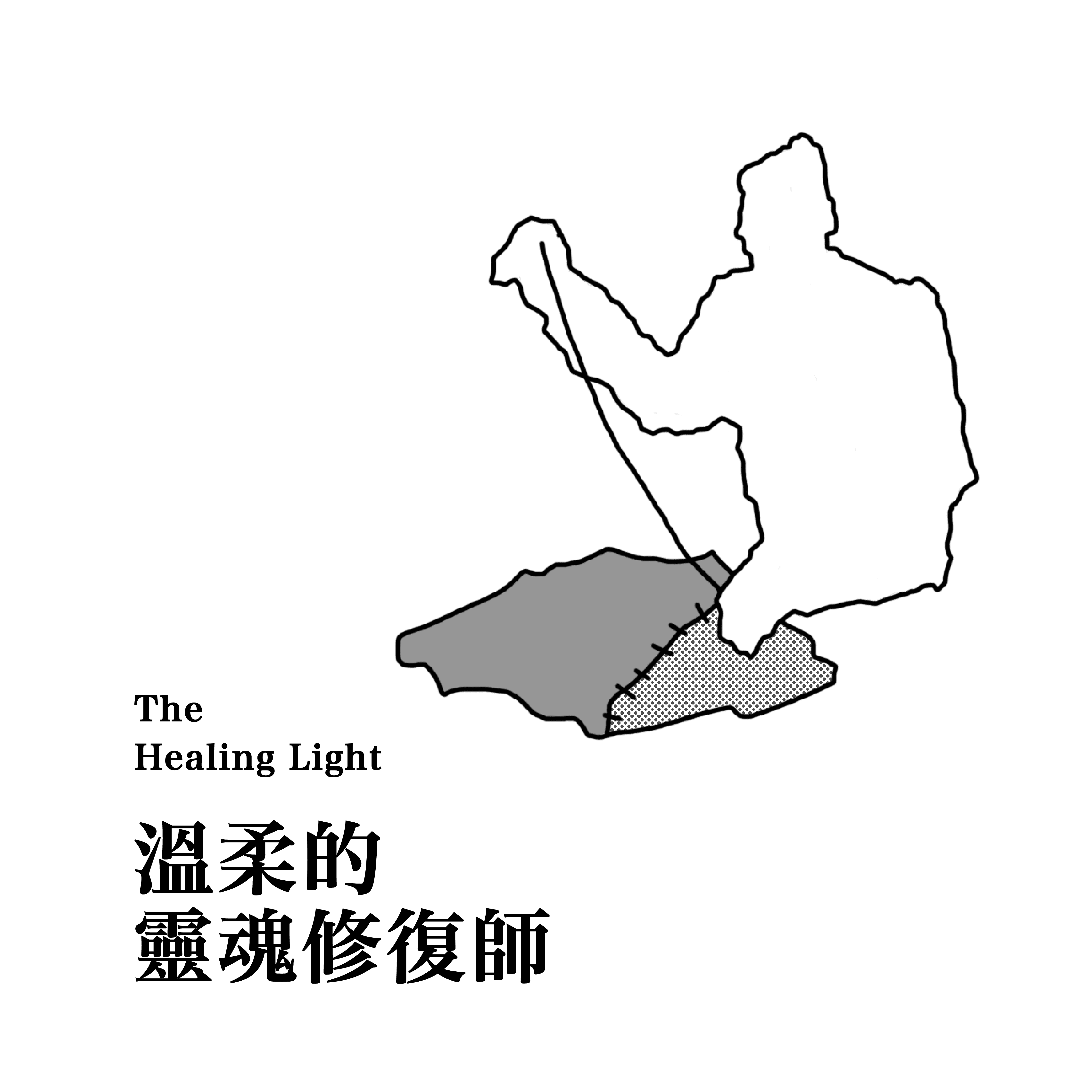
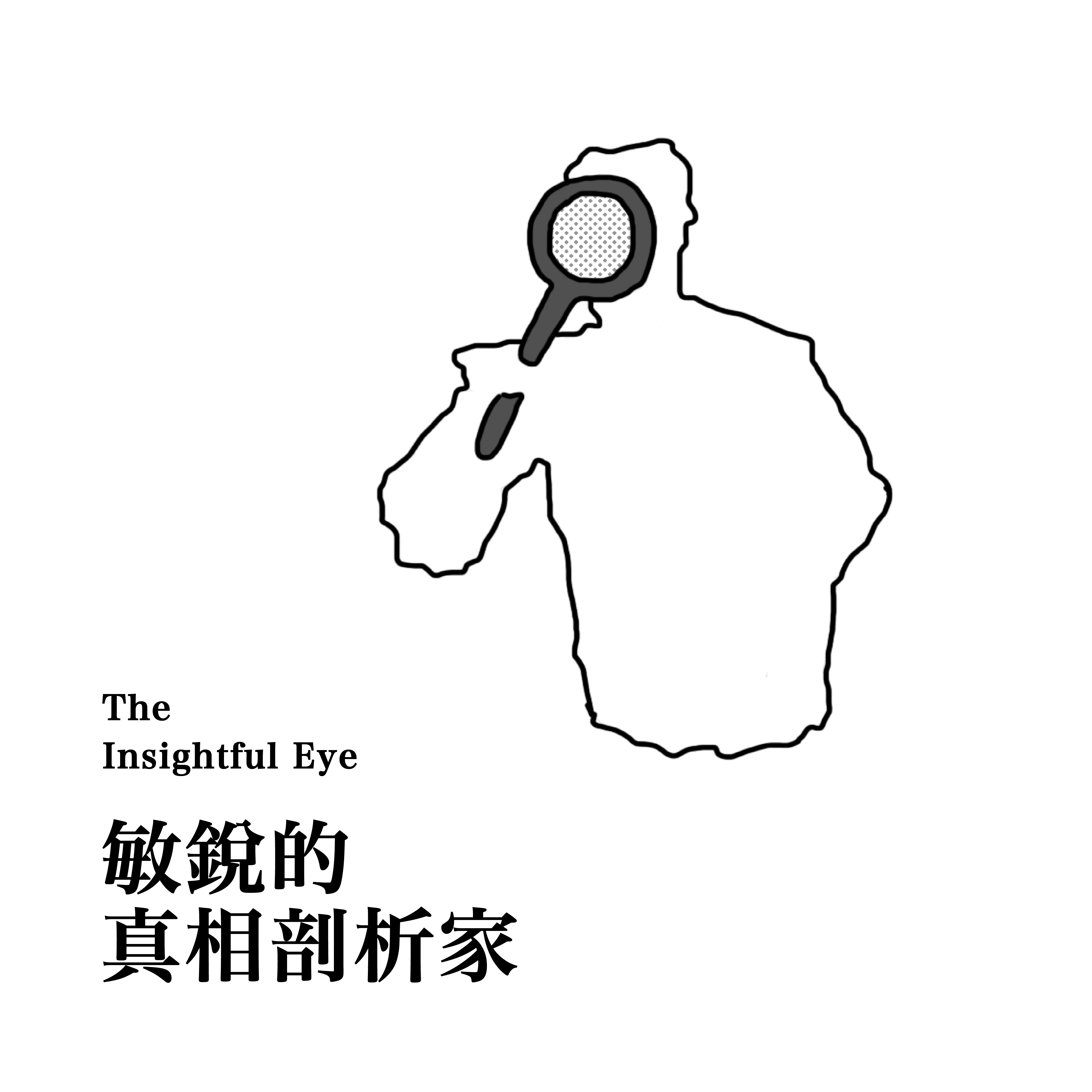
The art exhibition PRIMA FACIE, jointly presented by Tinyverse and the Judicial Reform Foundation, transforms this Rashomon-like story of law and power into a sensory experience. To help you rediscover your inner power to protect before entering the exhibition, we designed the psychological quiz “Fissures in the Dark.”
When confronting social injustice, are you a “Procedural Justice Advocate” who calmly analyzes the logic, a “Soul Healer” who gently embraces vulnerability, or a “Passionate Changemaker” bold enough to burn down old rules? This quiz guides you through everyday choices involving gender and power, revealing the color of your soul as it shimmers in the darkness.
An exhibition is not merely something to view, but also a “social sculpture.” The venue features an AI lawyer dialogue, a reconstruction of the incident scene, and a collective healing space. Bring your quiz results and visit the exhibition to explore possibilities for repair with us amid the cracks in a damaged system.
After completing the quiz, you are welcome to tag us in your Instagram Stories (@jrf.org.tw) and share what kind of guardian you are!
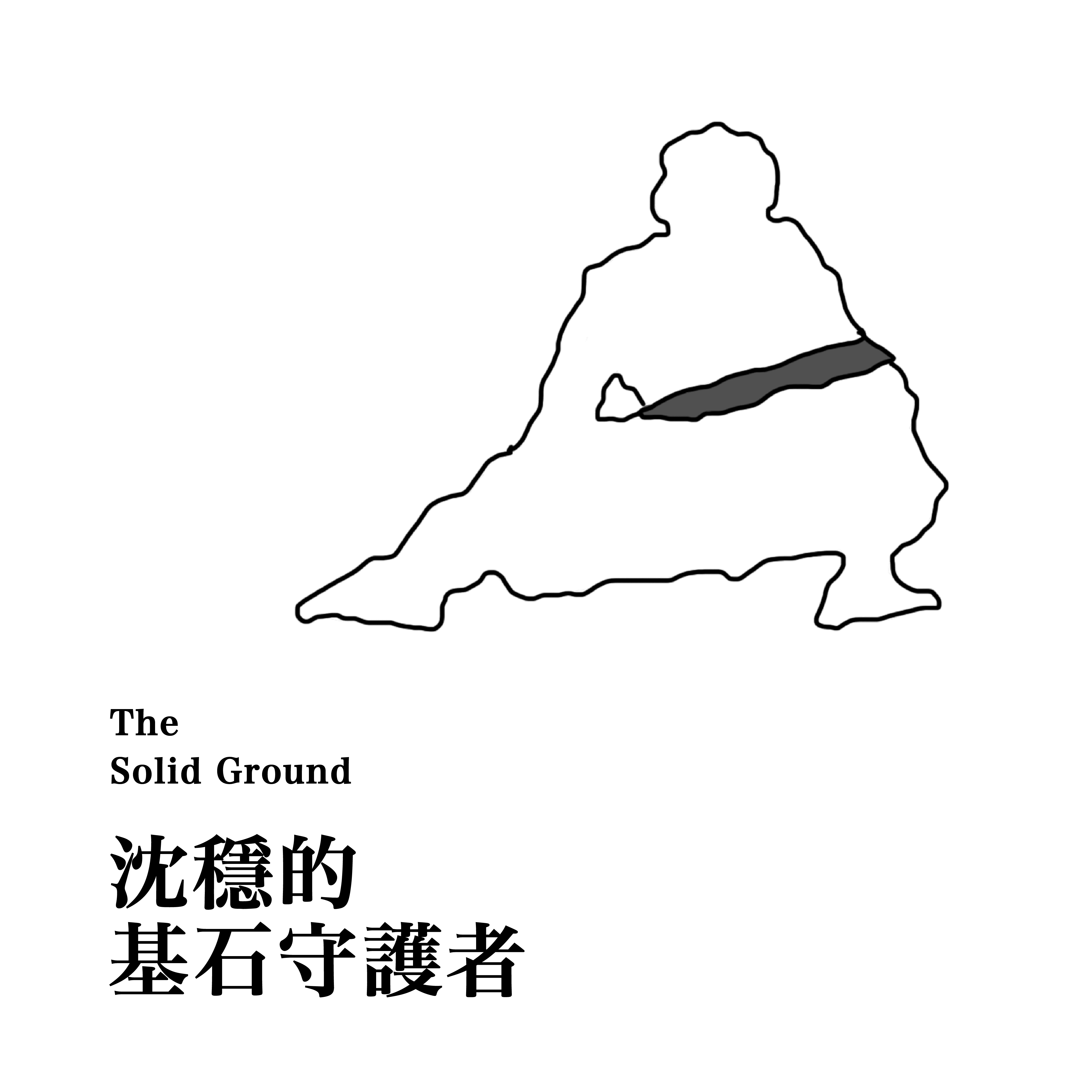
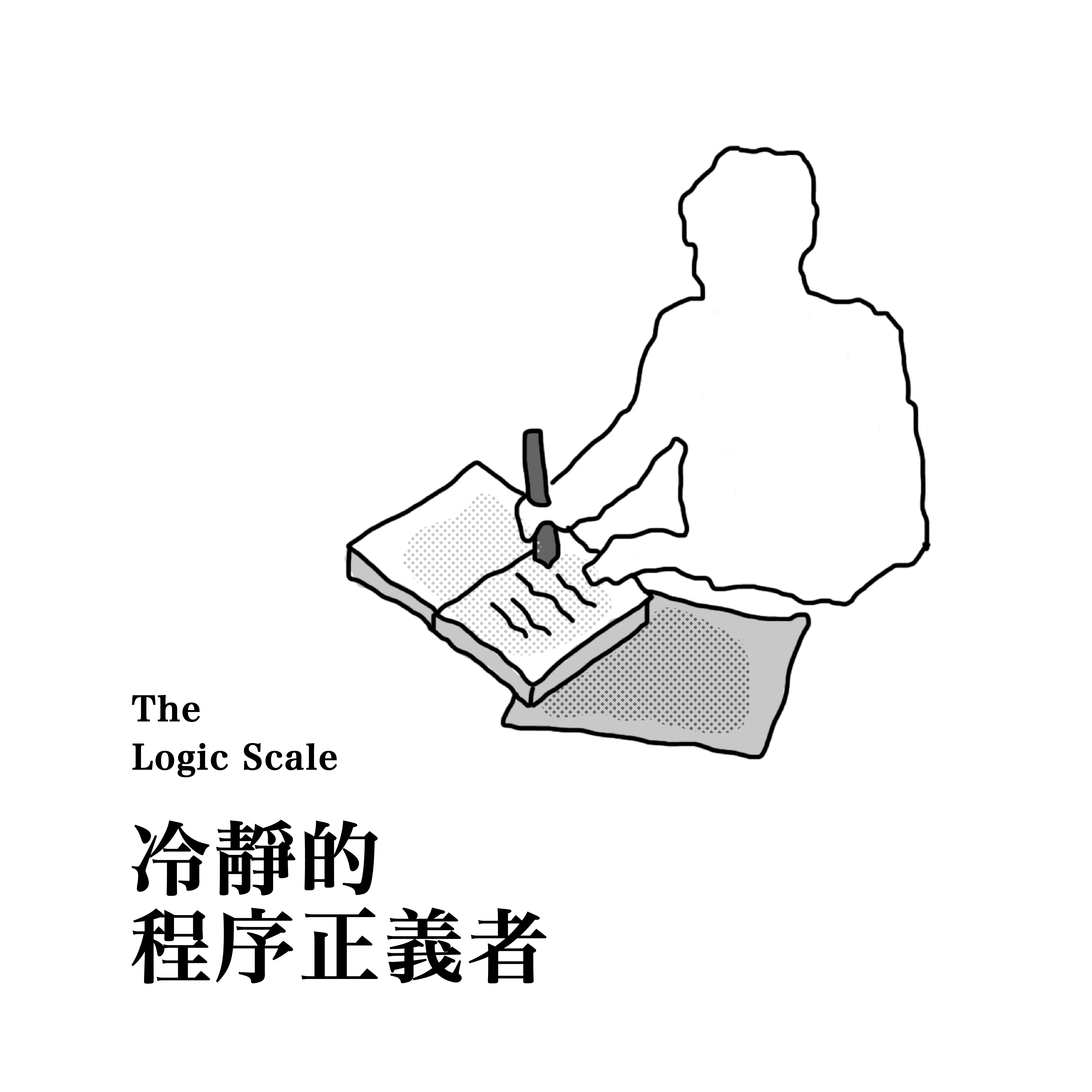
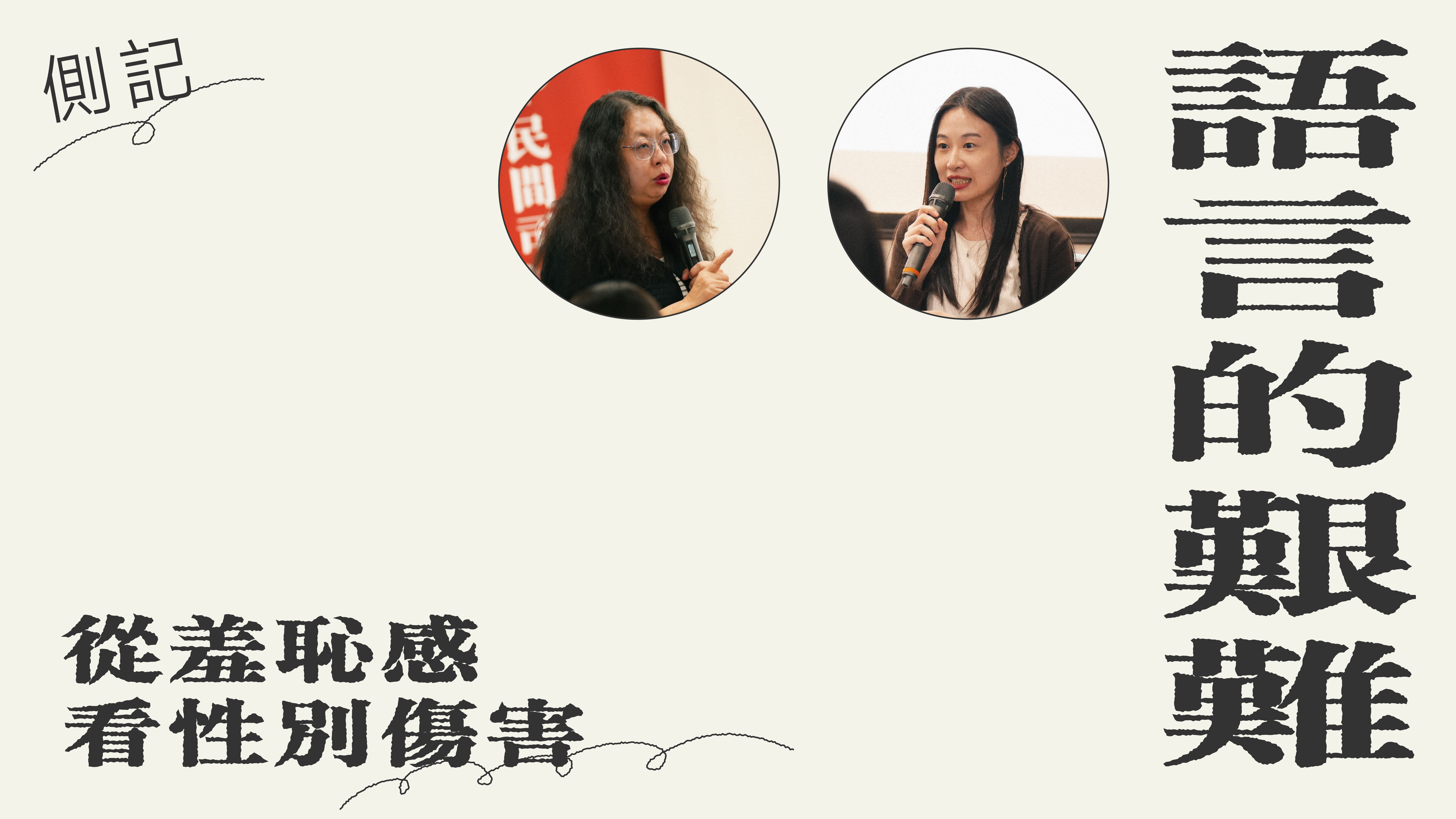
Following Taiwan's 2023 #MeToo movement, many people who chose to speak out were immediately swept onto a massive “legal conveyor belt,” facing judicial proceedings that demanded evidence, logic, and consistent narratives. Yet gender-based harm is often fragmented, accompanied by shame, and difficult to categorize. When legal language filters out genuine feelings that do not conform to “logic,” survivors can easily be rendered speechless and subjected to secondary victimization.
The PRIMA FACIE special exhibition at the JRF's Taichung Office invited renowned writer Chang Yi-hsuan to speak from the perspective of a literary practitioner and engage in dialogue with Lin An-tung, a master's student at the Graduate Institute of Taiwan Literature at National Taiwan University and a pro bono attorney with the JRF Gender Working Group. Together, they considered whether, beyond the “perfect stories” demanded by the judiciary and public opinion, we can develop a public language capable of genuinely holding harm and accommodating fragmented experiences.
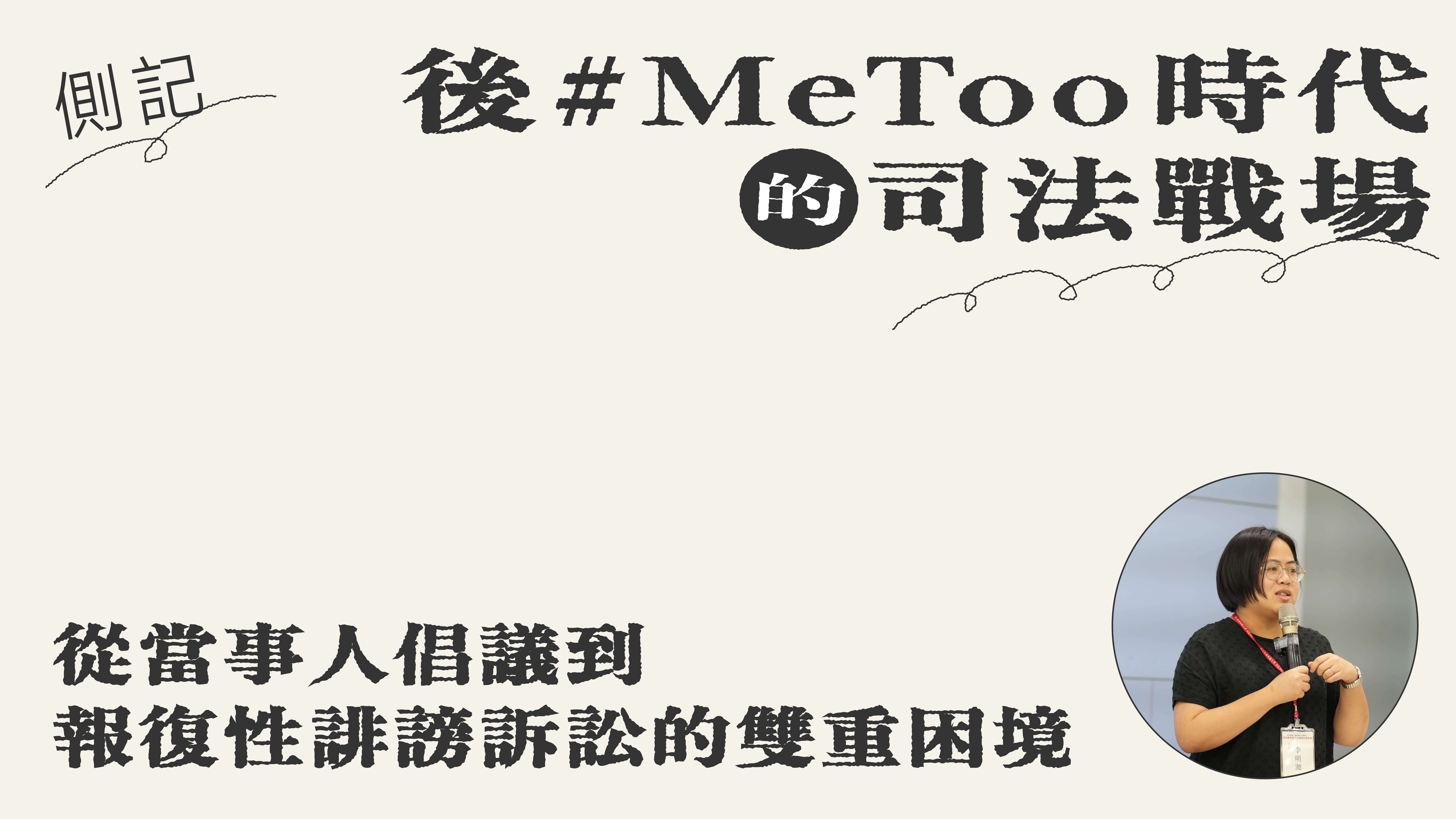
The wave of Taiwan's #MeToo movement in 2023 swept across all sectors of society, with survivors publicly recounting experiences of sexual violence that had long been silenced. Three years later, however, those who spoke out faced not only social support, but also a succession of retaliatory defamation lawsuits. Perpetrators used criminal complaints for defamation or public insult, as well as civil claims for damages based on tort, to turn judicial procedures into tools for silencing survivors.
The Judicial Reform Foundation, which has long focused on the interaction between gender equality and the judicial system, joined the Graduate Institute of Gender Education, Graduate Institute of Cross-Disciplinary Arts, and Center for General Education at National Kaohsiung Normal University in holding the symposium “How to Exist in the ‘Post-#MeToo Era’: Rethinking Gender Education and Judicial Settings” on May 8, 2026, at the International Conference Hall of the NKNU Administration Building.
This article focuses on two important sessions: the documentary screening and experience-sharing by its protagonist Huang Qiyu, and “The Backlash Against #MeToo: Retaliatory Defamation Litigation as a Silencing Strategy.” The latter session was moderated by JRF Executive Director and attorney Lee Ming-ru, with presentations by scholars Lin Tzu-wei and Chen Chu-shang and a response by Professor Chen Yi-chien. The article synthesizes the legal dilemmas faced by survivors and the resulting reflections on institutional design.


2026/07/01–03 (Wed.–Fri.)
Summer Student Camp \Registration Extended/
Consent Is Up to You: Appealing the Gender Temperature Gap!
Venue|Providence University (No. 200, Sec. 7, Taiwan Blvd., Shalu Dist., Taichung City)
Accommodation|On-campus Student Dormitory, Providence University
Target Participants|High school and vocational high school students nationwide, including graduating ninth- and twelfth-grade students
Registration Period|From now until 2026/06/15 (Mon.)

2026/08/22–23 (Sat.–Sun.)
2026 JRF Cup
National High School and Vocational High School Debate Competition
Target Participants|Students currently enrolled in high schools, vocational high schools, or the first three years of five-year junior colleges nationwide
Registration Period|From 22:00 on 6/5 to 22:00 on 6/16
8/22 Preliminary Rounds and Semifinals Venue|Mingdao High School (No. 497, Sec. 1, Zhongshan Rd., Rende Village, Wuri Dist., Taichung City)
8/23 Final Four and Championship Round Venue|Taichung Bar Association (32F., No. 218, Sec. 2, Taiwan Blvd., West Dist., Taichung City)

2026/06/06 (Sat.) 14:00–16:00
Discussing Comprehensive Sexuality Education Through Board Games!
“Queer Kids Are Coming” Board Game Workshop
Speaker|Han Yizhen / Secretary-General, Taiwan Gender Equity Education Association
Venue|Taichung Office, Judicial Reform Foundation
(10F.-2, No. 4-33, Sec. 1, Shuangshi Rd., East Dist., Taichung City
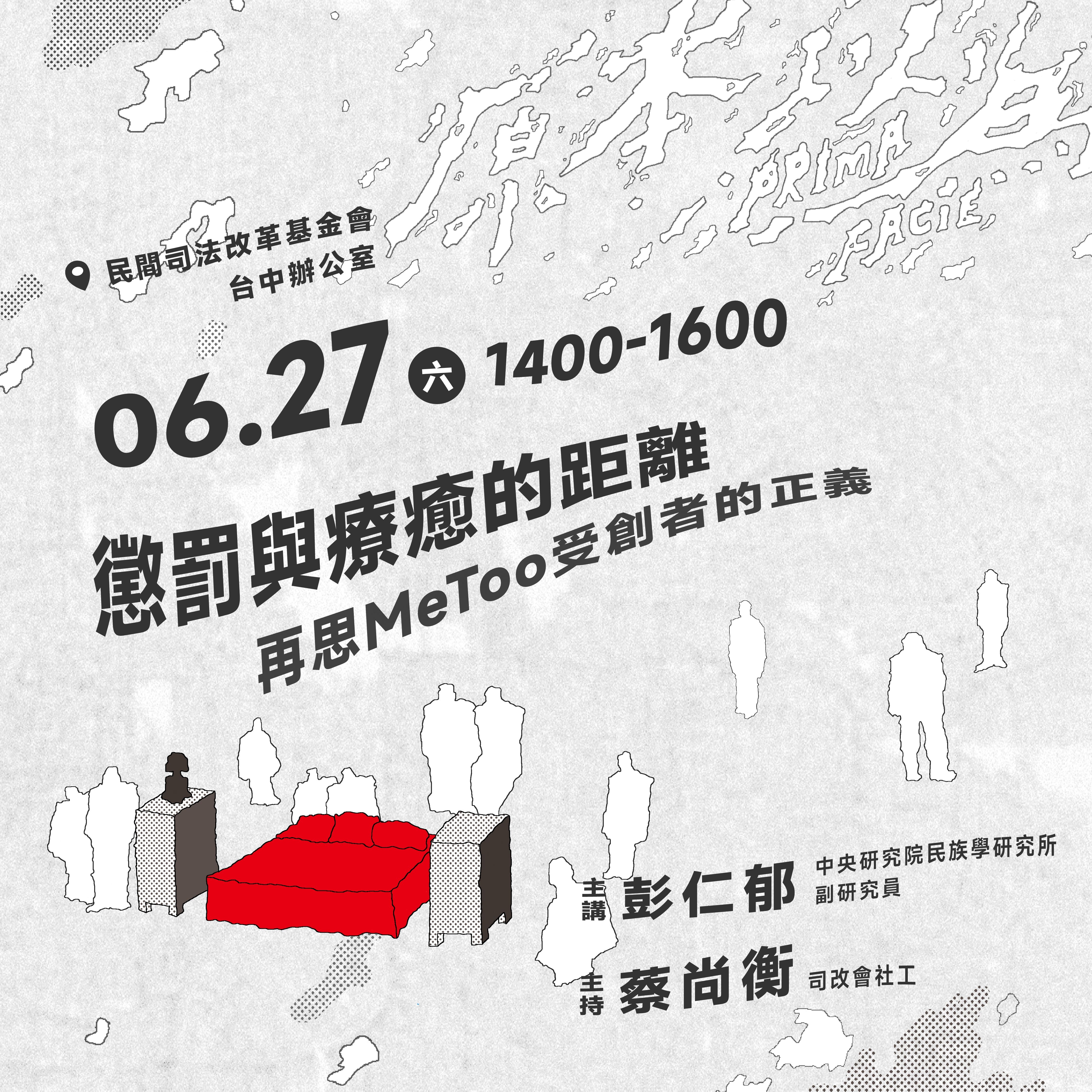
2026/06/27 (Sat.) 14:00–16:00
The Distance Between Punishment and Healing:
Rethinking Justice for Survivors of #MeToo Trauma
Moderator|Tsai Shang-heng / Social Worker, JRF
Speaker|Peng Jen-yu / Associate Research Fellow, Institute of Ethnology, Academia Sinica
Venue|Taichung Office, Judicial Reform Foundation
(10F.-2, No. 4-33, Sec. 1, Shuangshi Rd., East Dist., Taichung City)

This article is an AI-generated translation of the original Chinese text. In the event of any discrepancy, the Chinese version shall prevail.