
[Record] Judicial Review Standards for Civil Servant Disciplinary Punishments: Focusing on Civil Servants' Freedom of Speech—Starting from the Lin Wen-wei Case
Last edited: 2026-07-27
In recent years, the issue of prison reform has gradually received increasing attention. Human rights groups and scholars and experts alike frequently offer observations or criticisms regarding prison issues across various media platforms such as print media, television and film, or the internet. However, what has drawn even more attention recently is prison-related personnel drawing upon their own experiences to offer observations and criticisms of prison issues.
Such internal self-reflection and speaking out are immensely important because prison information transparency is low, and prisons often give the impression of resisting reform. Therefore, if prison insiders can awaken and speak out, it is immensely helpful for changing the prison environment.
However, this year, prison guard Lin Wen-wei used artistic creation to reflect upon prison management issues, yet was conversely given two reprimands by the prison on the grounds that his article cited untrue rumors, misled readers into believing the described disciplinary methods were real, affected the reputation of correctional institutions, and constituted improper conduct and speech. Behind this disciplinary case lies the implication that prisons use civil servant reward and punishment regulations to control internal whistleblowing and expression. Yet, whether such internal control methods and means might infringe upon constitutional protections of freedom of speech, and whether they involve the lingering ghost of special power relationships, remain questionable.
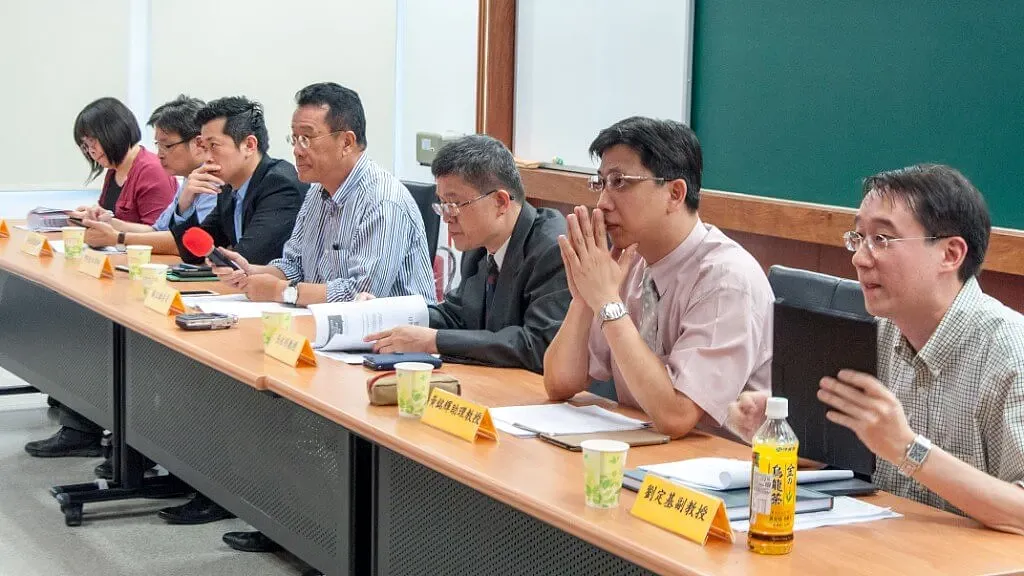
If state organs inevitably evaluate or penalize their personnel, what are the limits and scope of such evaluations or punishments? From the perspective of the health and continuous improvement of total institutions like prisons, how should we conversely contemplate how the items and procedures of these evaluations or punishments should be regulated, operated, or supervised? This forum has invited relevant scholars and experts concerned with this issue, and we also hope to invite people from all walks of life to participate in the discussion.
Forum Proceedings
- Opening Remarks
- Origins of the Forum◎Lin Wei-ting
- Panel Presentation (I)
- A Brief Discussion on Civil Servant Whistleblowers and Practical Case Analysis of Political Speech◎Kuo Te-t'ien
- Discussion
- Is Prison Reform Black and White?◎Yen Szu-yu
- Discussion
- Exploring Civil Servants' Freedom of Speech from the Perspective of "Special Legal Relationships"◎Huang Ming-hui
- Panel Presentation (II)
- Discussion on Civil Servants' Freedom of Expression Regarding Their Job Content◎Chang Yung-ming
- Discussion
- The Spectrum of Protection Density for Civil Servants' Freedom of Speech◎Liu Ting-chi
- Discussion
- Reasons Why the Scope of Protection for Civil Servants' Freedom of Speech Should Be Expanded◎Lin Chia-fan
- General Discussion
- General Discussion
This article is an AI-generated translation of the original Chinese text. In the event of any discrepancy, the Chinese version shall prevail.