
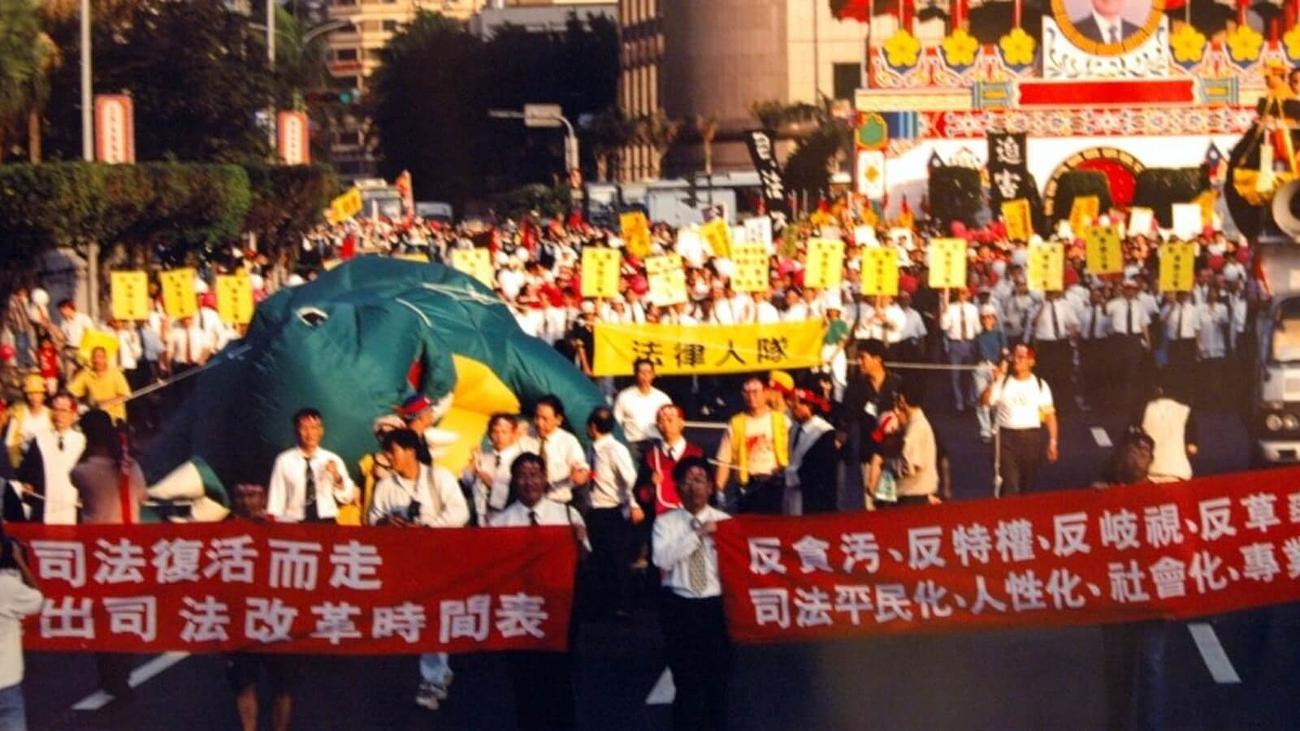
Judicial Reform Blueprint
When the Judicial Reform Foundation was established in 1995, Taiwan's judicial problems were numerous, complex, and deeply interconnected. The following year, in 1996, former Chairperson Attorney Ch'en Chuan-yüeh therefore initiated the formation of the "Committee for Drafting the Judicial Reform Blueprint," with the aim of developing a comprehensive reform plan that would serve as a benchmark for the JRF's long-term advocacy.
After three years of deliberation, the committee completed the Judicial Reform Blueprint in 1998, and the book was published in January 1999. It is divided into eight chapters: Chapter 1, Basic Principles; Chapter 2, Judicial Organization; Chapter 3, The Litigation System; Chapter 4, The Judge System; Chapter 5, The Prosecutor System; Chapter 6, The Attorney System; Chapter 7, Training and In-Service Education of Legal Professionals; and Chapter 8, Education of Legal Professionals.
In early 2009, the tenth anniversary of the Judicial Reform Blueprint, the JRF set out to develop a new-generation blueprint that would review the reform proposals made a decade earlier and offer more forward-looking recommendations for Taiwan's judiciary. Because of the project's immense scope, however, only part of it was completed. In 2013, former Chairperson Attorney Ku Li-hsiung revived the project by convening the "Committee for Drafting the Second-Generation Judicial Reform Blueprint." The Second-Generation Judicial Reform Blueprint was originally scheduled for release in 2016 as a guide for the JRF's future work; however, because the National Congress on Judicial Reform was convened around that time, the related proposals were instead presented to the public separately.
In 2025, the JRF's 30th anniversary year, the organization's specialized working groups spent a year drafting the Third-Generation Judicial Reform Blueprint, and a series of related events will be held in 2026.

2024
Political Party Response | Smaller Bricks Alliance's Response to the Seven Questions on Judicial Reform
Smaller Bricks Alliance's response to the seven questions on judicial reform

2024
Political Party Response | Taiwan Green Party's Response to the Seven Questions on Judicial Reform
Taiwan Green Party's Response to the Seven Questions on Judicial Reform

2024
Party Response | Taiwan People's Party's Response to the Seven Questions on Judicial Reform
Taiwan People's Party's Response to the Seven Questions on Judicial Reform

2024
Party Responses|Kuomintang's Response to the Seven Questions on Judicial Reform
Kuomintang's Response to the Seven Questions on Judicial Reform
2023
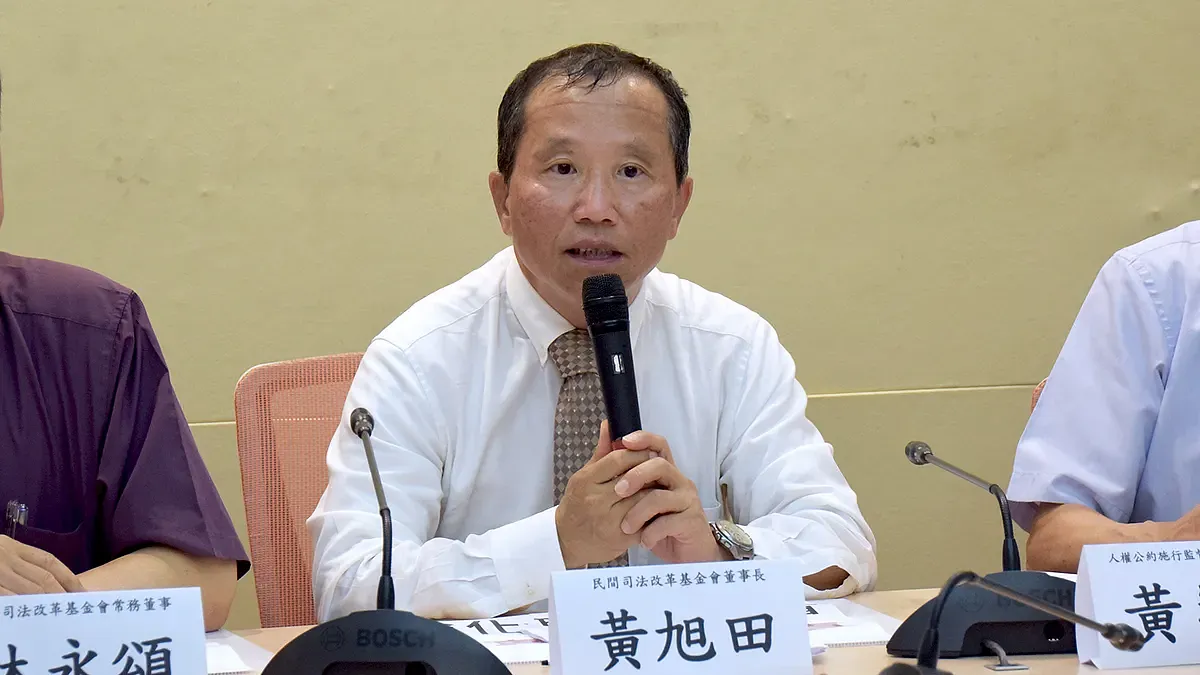
Op-Ed | Huang Hsiu-t'ien: The Current Standards for Judicial Reform Are Too Low
In the 2024 presidential election, opposition presidential candidates Hou You-ih and Ko Wen-je each proposed their own…

2023
Op-Ed | Judicial Accountability in Taiwan: Insights and Expectations from the Annual Meeting of the International Association of Judges
On September 18, the 65th Annual Meeting of the International Association of Judges will be held in Taipei. Looking…
1997
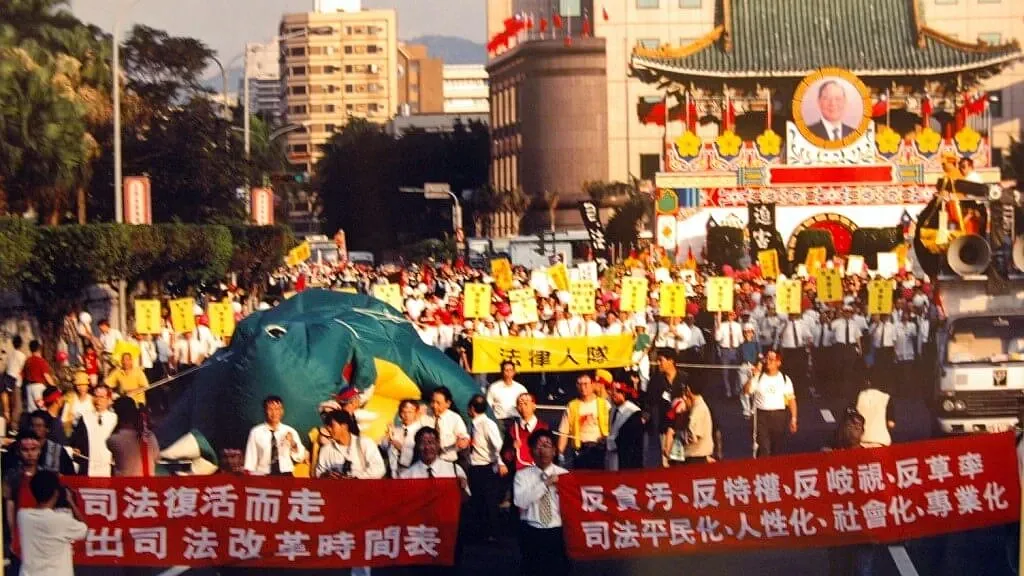
The Grassroots Vitality of Judicial Reform
The problems within Taiwan's judicial system have become a source of pain for the people. Although judicial authorities…