
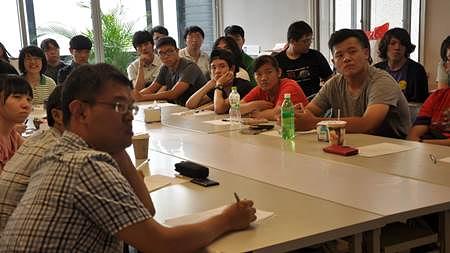
General Internship
Why intern at JRF?
Traditional legal education in Taiwan largely remains confined to textbook knowledge; however, law is a practical discipline. To understand how the law in books actually operates and takes effect, one must step out of school and enter the field. Witnessing the gap between the "law in action" and the "law in the classroom" prompts students to understand the limitations of what they have learned, while sparking reflection: Why do things turn out this way? What is the ideal rule-of-law society we aspire to? What actions can we take to change it?
Recognizing the shortcomings of existing legal education, JRF, as a civil society organization actively engaged in judicial reform, hopes to provide students with opportunities to experience the frontlines of the justice system. Therefore, we partner with various schools to offer internship courses. Every student who comes to intern at JRF is a seed for judicial reform—regardless of whether you pursue a legal career in the future, wherever you scatter across different fields, you can carry what you have learned and witnessed at JRF to keep judicial issues visible and monitored.
Core Philosophy: Cultivating people. We will do our best to arrange whatever students wish to learn or experience during their time at JRF; if there is anything that needs adjustment in your learning, you are welcome to provide feedback at any time.
Three Key Features of JRF Internships
Legal and Advocacy Expertise
JRF brings together a large pool of legal volunteers, with many attorneys participating in our activities, and most issues involve legal expertise. Law students can gain intellectual stimulation and professional growth, while non-law students can catch a glimpse of the truth behind the law through real-world cases and bills, learning how to translate obscure legal concepts into accessible, easy-to-understand text, images, or even videos.
Civil Society Organization
Compared to official internship units such as courts and prosecutors' offices, JRF offers a more vibrant and flexible environment. The people working here are partners committed to contributing to society. Whether you want to handle complaint cases on the frontlines, participate in press conferences, observe trials, or sit in on lawyers' association meetings... all of these are possible.
The Power of Reform
JRF is an advocacy-oriented NGO whose primary work involves monitoring the government and advancing reform. During their internship, students have the opportunity to hear critical voices regarding government practices, understand the logic behind these critiques, and hone their own critical thinking. They also have the chance to actively participate in reform actions, experiencing firsthand the dilemmas of reform and the role they can play.
Internship Duration, Qualifications, and Hours
| Internship Type | Internship Period | Application Deadline |
|---|---|---|
| Mid-semester Internship (Fall Semester) | September to January of the following year | Independent internships will be contacted individually after we receive applications; school collaborations will be conducted according to the cooperative programs between respective schools and JRF |
| Mid-semester Internship (Spring Semester) | February to June each year | Same as above |
| Summer Internship | July and August each year |
Deadline: May 15 each year, Admission results will be notified within 1 month after the deadline |
| Winter Internship | January and February each year |
Deadline: December 15 each year, Admission results will be notified within 1 month after the deadline |
📌 Application Qualifications: Enrolled students at domestic and international colleges, universities, and graduate schools. High school and vocational school students applying must undergo an interview with our staff to confirm that the internship meets their personal needs.
📌 Internship Hours: In accordance with school regulations. Independent interns may arrange their own hours, with a minimum of 24 hours required.
Application Procedure
🔗 Online Application Form for Independent Internships: Go to Form (For those not requiring credit recognition)
🔗 For Credit Recognition / Service Learning: Please first check with your department office to confirm whether your department has signed an internship cooperation agreement with JRF. If your department does not have a fixed cooperative arrangement with us, you may ask your department to issue an official letter and apply to us by submitting your resume, autobiography, and internship plan.
Internship Assignment Requirements and Evaluation
Assignment Requirements
- 1Summer Internship: Internship weekly logs, regular group supervision, and exit interview.
- 2Mid-semester Internship: Case review reports and participation in case discussion meetings.
- 3Other School Requirements: Submit logs and a final internship report in accordance with school regulations.
Evaluation
- 1Graded based on the evaluation standards listed in the "Internship Assessment Form" provided by each school.
- 2If the school does not provide evaluation standards, grading will be based on internship reflection reports, attendance records during the internship, completion level of assigned tasks, and participation in group discussions, each accounting for 25%.
- 3Students who complete the internship hours required by their school or anticipated by the internship program will be evaluated and awarded a Certificate of Internship; those who fail to complete the hours will not be evaluated and will not receive a certificate.
What Do JRF's Departments Do?
Interning at JRF will expose you to the work of different departments. Understanding each department's mission beforehand can help you figure out which aspects you would like to participate in:
Case Action Department
Composed of full-time attorneys and legal personnel, this department is responsible for handling public complaints on the frontlines (including complaint hotlines and emails), coordinating various lawyer groups, assisting the public through legal procedures to report unfit judges and prosecutors, conducting wrongful conviction rescue work, and petitioning the Judicial Yuan for constitutional interpretation.
Legal and Policy Department
Composed of a team of full-time attorneys, legal personnel, and researchers, this department is responsible for researching and drafting major laws and policies, and collaborating with NGO partners to promote legislative lobbying and advocacy. Key issues include: citizen participation in trials, the Code of Criminal Procedure, the Judges Act, reform of the police, prosecutor, and investigative systems, victim protection, drug policy reform, prison system reform, and more.
Organizational Advocacy Department
Bringing together talents in events, law, media, and design, this department effectively communicates cases and issues to society:
- Events: Outreach work including lectures, campus mock trials, summer campus camps, and large-scale event booths.
- Publicity: Official website maintenance, fan page management, visual design, and media coordination.
Development Resources Department
As an NGO, all of JRF's expenditures come from public donations. The Development Resources Department is responsible for planning small-scale regular donation programs, developing major donor sources, cultivating potential supporters, and maintaining existing ones, serving as an important cornerstone for JRF's sustained growth.
International Affairs Department
In alignment with the local Taiwanese issues JRF focuses on, this department strengthens exchanges with international legal organizations and civil groups to promote the circulation of international judicial reform experiences. At the same time, it monitors the status of human rights and the rule of law across Asia and internationally, conducting international advocacy and educational work. Key activity formats include organizing seminars, networking with international groups, conducting issue research, and publishing books.
Taichung Office
JRF's base in central Taiwan, deeply rooted in local judicial reform advocacy and legal education work. Key missions include:
- Exhibition and Event Space Operation: Planning public activities such as exhibitions, lectures, and screenings related to judicial human rights.
- Local Connection for Cases and Issues: Assisting with the handling of complaint cases in central Taiwan and networking with local civil groups and school resources.
Internship Arrangements and Reminders
Internships at JRF primarily involve assisting with the processing of complaint cases and organizational advocacy operations. JRF accepts complaints regarding unfit judges and prosecutors, wrongful convictions, prison complaints, and constitutional interpretation petitions. Work that students may participate in includes:
- AAnswering complaint hotlines and recording interview proceedings.
- BScanning and organizing case files, and transcribing audio recordings.
- CDrafting case summaries and proposing handling recommendations.
- DParticipating in or observing legal team meetings, collecting foreign legislative materials, and researching legal systems.
- EPlanning and executing social advocacy projects for cases, producing information packets, and conducting special interviews and reports.
- FOrganizing seminars, assisting in preparing press conferences, and participating in court observations.
Reminders for Students
① Mundane tasks are also foundational skills—Case scanning may seem trivial, but flattening folded paper, paying attention to single-sided versus double-sided printing, handling paper jams in the scanner, and rescanning missed pages all train your work ethic.
② Do not fear critical thinking and discussion tasks—Drafting case summaries and proposing handling recommendations are vital learning opportunities. Full-time staff will assist you in researching information and organizing discussions, arranging for lawyers to guide you when necessary. Through this process, you can cultivate the ability to clarify issues and articulate opinions.
③ Frontline complaint hotlines are a precious learning experience—We will arrange training sessions, and if you encounter situations you cannot handle, full-time staff will take over. Legal work is not just about handling "cases," but about handling "people"; through phone calls, you will realize that cases are not cold files, but warm life stories of many individuals.
④ Proactive learning yields the greatest rewards—Propose the aspects you want to learn, the issues you want to touch upon, and the questions you are curious about, and we will do our best to accommodate and adjust accordingly.
General Internship Course Types and Partner Schools
Based on the needs of students from different schools, JRF's internship courses are generally divided into the following types:
① Mid-semester Internship
JRF partners with various schools during the semester. Hours range from 72 hours (Soochow University Department of Law), 24 hours (National Taiwan University Department of Law, National Taipei University Department of Law), to 18 hours (National Chengchi University Department of Law).
Mid-semester internship hours are usually shorter, with students coming to the office for one to two half-days each week. The advantage is continuous learning and lower pressure; the disadvantage is that tasks left half-done might have their progress forgotten by the time you return the following week. If your semester coursework is too heavy and school allows, you can also reschedule to complete it during winter or summer vacation.
② Summer In-House Internship
Summer vacation is the period when JRF hosts the largest number of interns simultaneously. Internship hours vary by school, ranging from a full 2 months (Soochow University Department of Political Science), 160 hours (Providence University Department of Law, National University of Kaohsiung Department of Law), 72 hours (Chinese Culture University Department of Law), to 36 hours (Aletheia University Department of Law).
Summer interns typically come to the office for several full days consecutively, with longer hours allowing for a more complete and in-depth participation in JRF's work, while shorter hours lean toward experiential learning. Summer internships offer more opportunities to meet students from different schools, and collaborative or group tasks will be arranged. However, due to the larger number of people, it is more difficult for full-time staff to closely look after individual students, requiring interns to look out for and learn from one another.
③ Project-Based Internship
Project-based internships specify a particular theme right from the start, primarily conducted in cooperation with the Department of Financial and Economic Law at Chung Yuan Christian University. Project-based internships previously conducted jointly by JRF and Chung Yuan Christian University include laid-off workers, dummy accounts (reputed head accounts), and Sunflower Student Movement litigation cases. The content of project-based internships varies depending on the specific theme, differing from general complaint center internships.
④ International Student Internships
A small number of students from foreign schools express interest in interning at JRF via email. The basic requirement is the ability to communicate orally in Chinese, and the internship content is adjusted based on each student's Chinese proficiency, understanding of Taiwan's legal system, and areas of interest. Students are usually assigned to help update JRF's English website materials and given more visitation itineraries; when necessary, Taiwanese students are assigned as teaching assistants to help with life and study in Taiwan.
⑤ Social Work Internship
Our organization has supervisors holding social worker licenses who can provide formal internships for social work department/institute students. Please refer to the Social Work Internship Page.
Ready? Welcome to join the ranks of JRF interns!
Whether you major in law, social work, communication, design, or other fields, as long as you are willing to participate, we will arrange suitable learning content for you.
If you wish to cooperate on internship courses or have any questions, please feel free to contact us.

2017
The JRF Through My Eyes: Reflections of a 2017 Summer Intern
Originally just an aimless, uninteresting ordinary college student, coming to the JRF made me feel for the first time…

2017
Fighting for justice
I was as unprepared as I possibly could be, when I looked up the ordinary, narrow building, hidden in the middle of the…

2017
Internship Reflection: Rebukes and Tears in the Courtroom—Reflecting on the Dilemma Judges Face in Maintaining Trial Order
The individual評鑑 (evaluation) system allows the public to file complaints with specific organizations when they…
2016
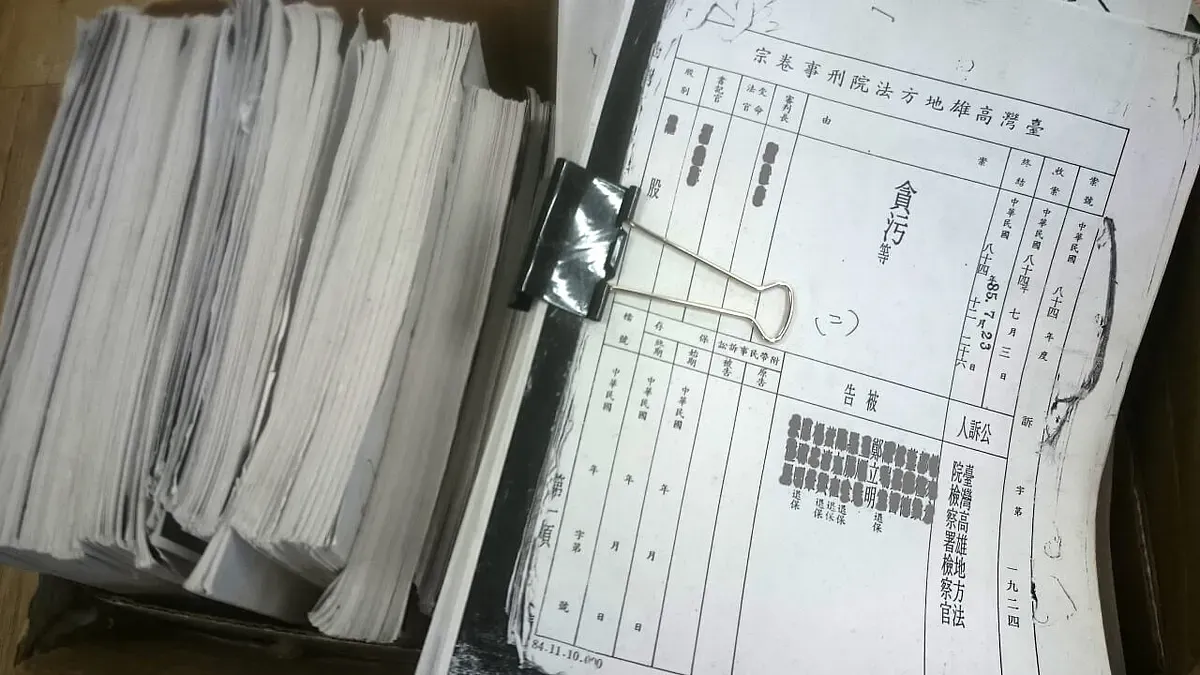
Giving Up Everything Just to Meet You—A Profile of Intern Anna
When Anna first came to the JRF, she was a junior at National Chengchi University. At the time, Anna was taking a…
2016
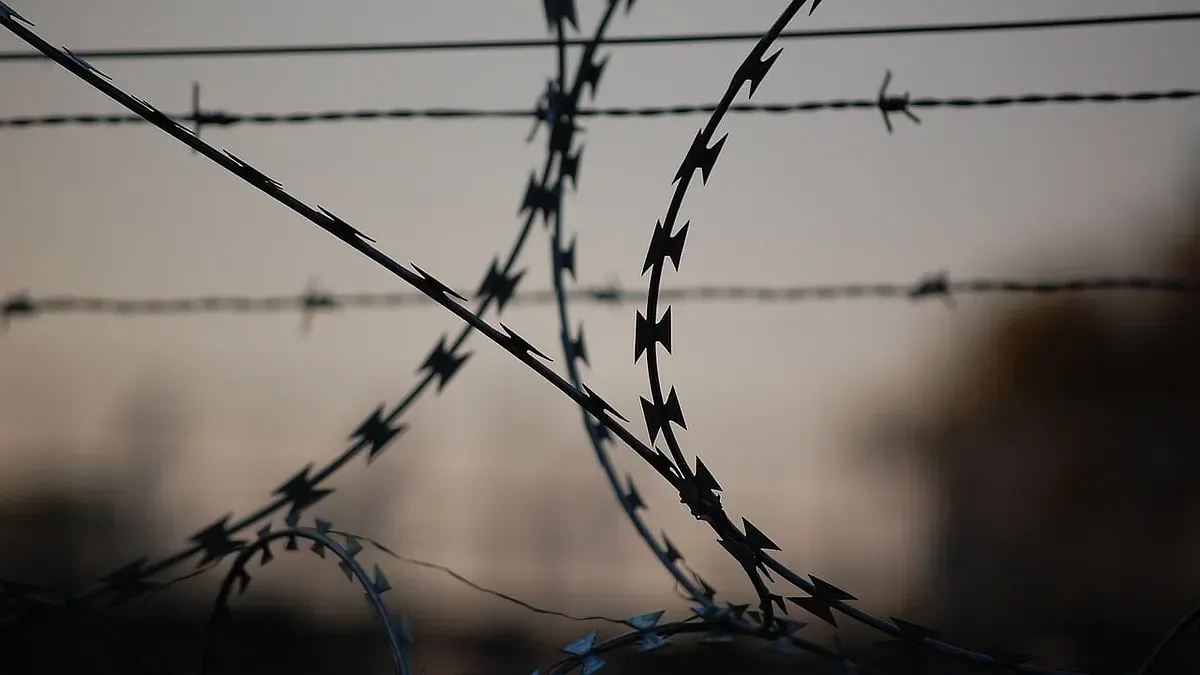
The Taste of Being Wronged ~ Reflections on Participating in the "Kaohsiung Harbor Police Officer Ch'en Case"
Speaking of the taste of being wronged, I only vaguely remember when I was little and my cooperative card inexplicably…

2016
The Unfinished Road: The Case of Police Officer Chen at the Port of Kaohsiung
You are an ordinary port police officer working at the Kaohsiung Port Police Station. Today, you put on your uniform,…
2015
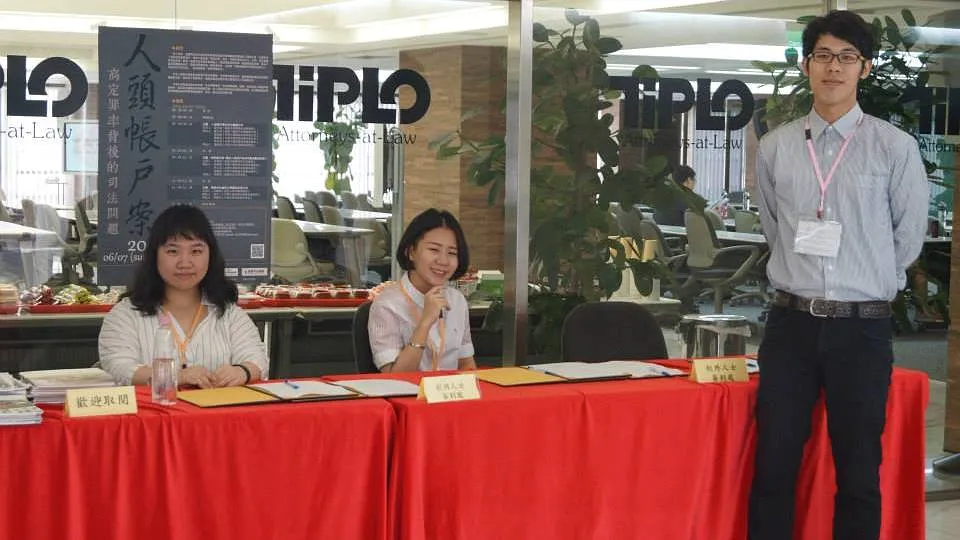
Legal Services Special Project "Dummy Account Cases" Course Reflection: Wang Yü-an
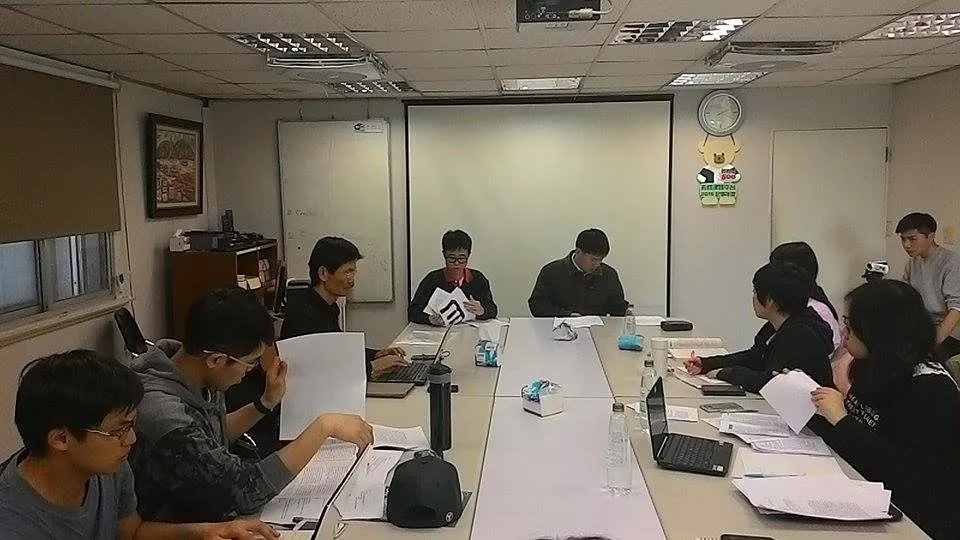
In dummy account cases, the circumstances of how each client was deceived vary, the channels for receiving fraudulent…
2015
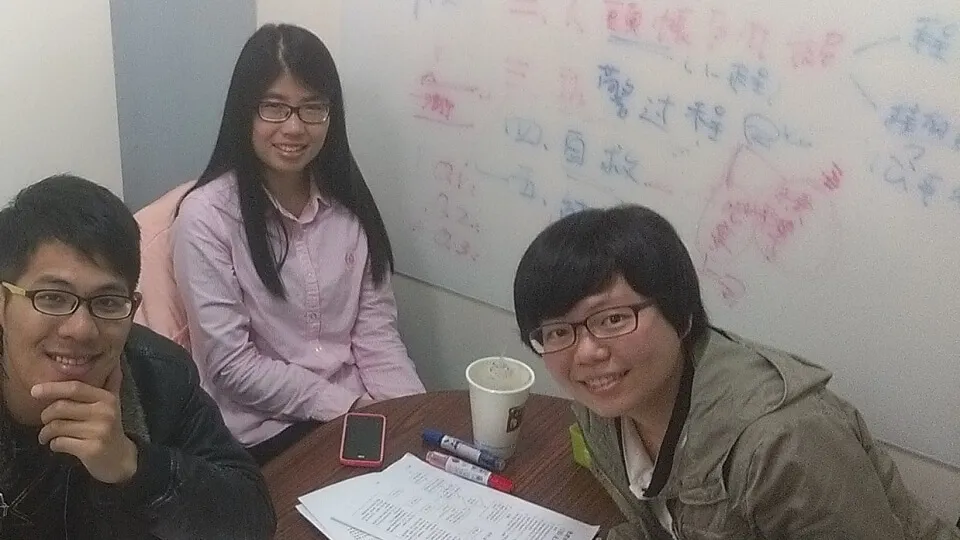
Legal Services Special Topic "Dummy Account Cases" Course Reflection: Ma Ching-hsuan
On a rainy evening, my groupmate Wei-chih and I went to a certain police station. Because of dummy account cases, we…
2015
Course Reflection on the Legal Services Special Topic "Dummy Account Cases": Liu Pei-han and Yu Yu-hsuan
Before engaging with actual cases, we learned that the massive surge of so-called accomplice to fraud in dummy account…
2015
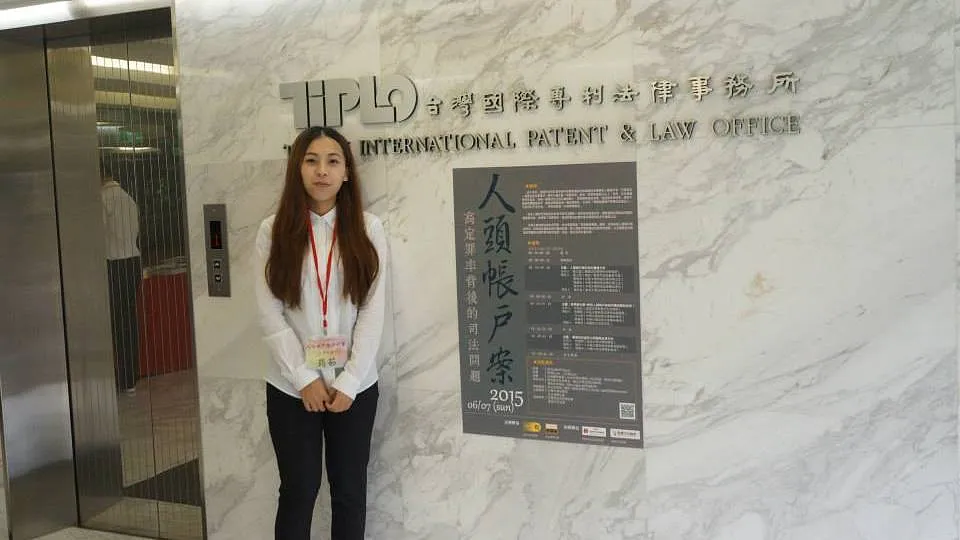
Legal Service Special Course Reflection on the "Dummy Account Case": Chang Wei-chih
As a senior who had never even attended a single seminar, the first one I ever attended turned out to be the dummy…
2015
Course Reflection on Legal Services Special Project "Dummy Account Cases": Wu Yün-ju
Starting from the winter break, I took this course on the Legal Services Special Project, and I have gained countless…

2015
Legal Services Special Topic "Man-of-Straw Account Case" Course Reflection: Ch'en Pei-chün
After attending the course information session, I felt both excited and troubled—troubled about how to choose a topic…