
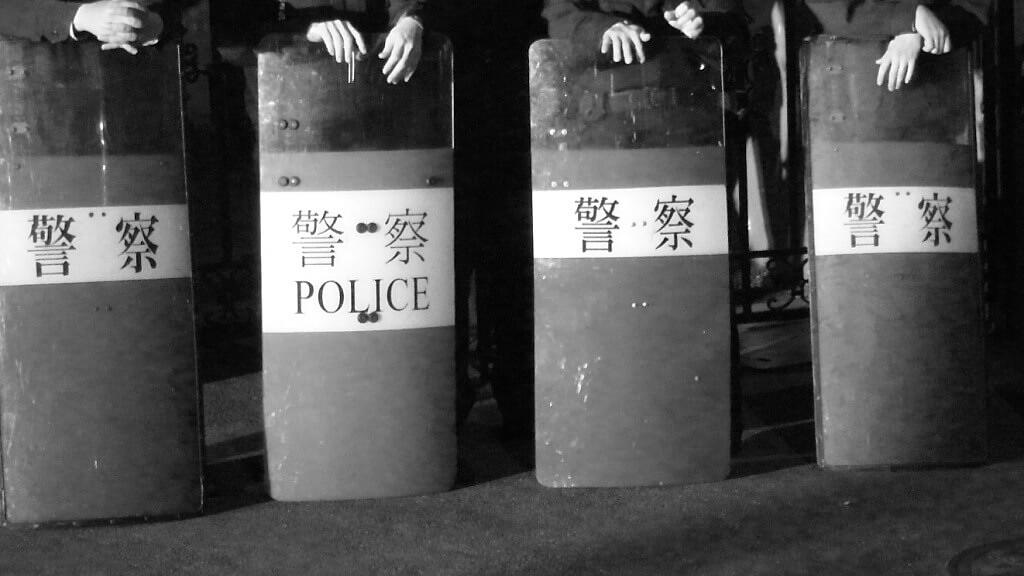
Police System Reform
Problems with the Police System
Police reform is an important but difficult judicial reform issue. As the first link in the chain of criminal justice, well-trained police officers and high-quality law enforcement reduce the burden and many of the problems that arise later in the process, while ensuring that human rights are fully protected. However, an organizational culture that ignores the voices of rank-and-file officers has long kept Taiwan's policing policy from being grounded in practical reality or reflecting the problems officers face on the front line. As a result, rank-and-file officers are run off their feet and widely overworked. At the same time, Taiwan's police system is entangled with legacies of the authoritarian era, political maneuvering, an insular organization and culture, and the difficult balance between security and human rights, all of which make reform hard to achieve.
Past Reform Efforts
In 2004, JRF joined the Police Reform Association, the Taiwan Bar Association, the Taipei Bar Association, the Taiwan Association for Human Rights, the Prosecutors Reform Association, the Awakening Foundation, the Taipei Society, the Taiwan Law Society, the Taiwan Tongzhi (LGBTQ+) Hotline Association, and the Gender/Sexuality Rights Association Taiwan in forming the Police Reform Alliance. In 2005, the Alliance called on the police to respect the rights of criminal suspects and to stop the practice of refusing to register crime reports, and met with the Minister of the Interior to press these demands. Subsequent reform efforts, however, lost momentum.
In 1999, JRF had sought to make the investigative practices of the police and other investigative agencies a key focus of reform, along three main lines:
- Reforms to criminal procedure, including strengthening prosecutors' oversight of police investigations, establishing standard procedures for eyewitness identification, requiring full audio and video recording of interrogations, and strengthening the role of lawyers in advising and accompanying suspects during police questioning. This has long been a core focus of JRF's work; see the "Criminal Procedure Reform" page on our website for details.
- Strengthening the use of science in investigations, which later led to JRF's push to reform the forensic expert system; see the "Forensic Science System Reform" page on our website.
- The enactment of the Police Power Exercise Act. Although this line of work was not sustained, it achieved concrete results in 2003. In 1999, JRF began drafting a bill based on a draft Police Power Exercise Act prepared by Professor Li Chen-shan, and the draft was largely complete by the end of 2000. The opportunity to legislate came at the end of 2001, when the Constitutional Court (then the Council of Grand Justices) issued J.Y. Interpretation No. 535, which found that the law lacked clear provisions on the requirements, procedures, and remedies for police stops and checks, and called for such rules to be enacted promptly. On May 13, 2002, JRF, the Police Reform Association, and Legislators Chiu Tai-san, Chen Chi-mai, Li Yung-ping, and Chiu Chuang-chin held a joint press conference to release the civil society draft of the Police Power Exercise Act and urge the Legislative Yuan to pass it quickly. The Act was passed in 2003.
Current Reform Priorities
During the 2017 National Congress on Judicial Reform convened by the Presidential Office, JRF worked with the Taiwan Police Labor Rights Association and other groups to launch a new wave of police reform. The discussions focused on police education and police performance evaluation, with the aim of addressing the deep-rooted problems of a police system that places excessive emphasis on obedience to superiors and leaves little room for frontline perspectives. In response to a performance system that lacked any scientific basis and ignored the voices of rank-and-file officers, the Congress resolved to establish a diverse, transparent, evidence-based Police Performance Management Committee open to participation by rank-and-file officers.
Building on this, JRF seeks to gather the views of rank-and-file officers and will continue to press the Ministry of the Interior and local governments to carry out police reform along the following lines:
- Respect the labor rights of rank-and-file officers, cut back excessive non-policing duties, and let police work return to its professional core.
- Set performance requirements through an evidence-based process that draws on diverse views, gives rank-and-file officers a greater voice, and includes outside experts.
- Liability arising from police duties (such as the use of police weapons and equipment) must be borne by the agency, not by individual officers.
To achieve these reforms, JRF urgently needs serving police officers to tell us about the realities of frontline law enforcement. Concrete problems that officers encounter will allow us to demand a direct response from the Ministry of the Interior and to bring them to the attention of the Control Yuan and the Legislative Yuan. Beyond the priorities above, we also welcome cases, suggestions, and concerns of every kind from serving officers, so that together we can improve the law enforcement environment and better protect the rights of the public.
2017
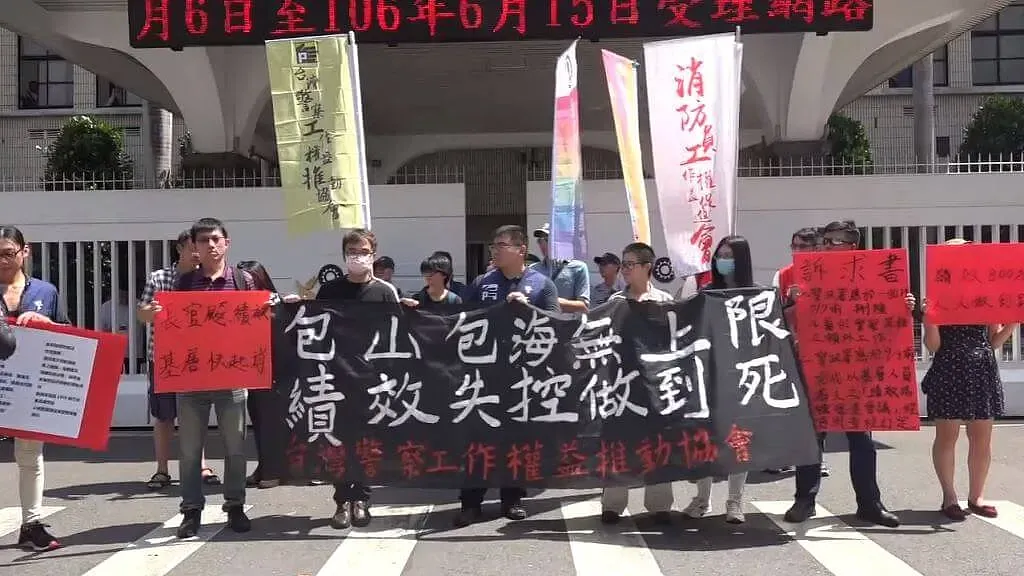
Press Release | Police Labor Union: "Endless Tasks and Out-of-Control Performance Metrics Drive Rank-and-File Officers to Their Deaths" Press Conference
Ahead of Police Day on June 15, the Taiwan Police Trade Union once again gathered in front of the National Police…

2017
The Truth About Performance Metrics That the National Police Agency Dares Not Face
During the May 25 meeting of the Fifth Division of the National Conference on Judicial Reform, one of the discussion…

2017
Investigation Management: Reform of Police Performance Metrics
Reforming the performance-metric system is a bidirectional process. It requires changing the perspectives of both the…
2017
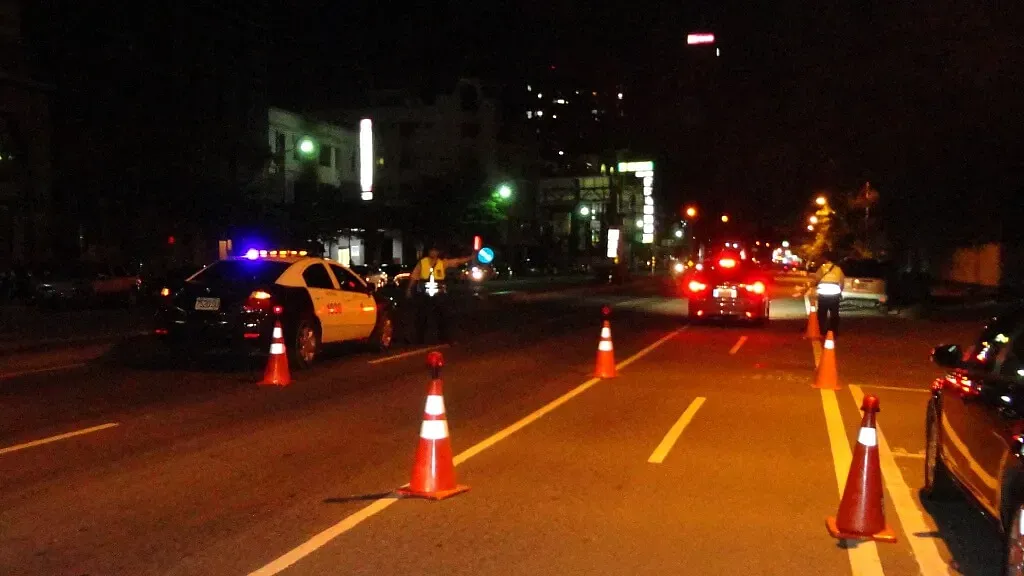
Chatting with Rainie Yang About the Ambiguity of Police Stop-and-Searches
The ambiguity of police stop-and-searches primarily stems from the four words: "reasonable suspicion." This is a…
2017
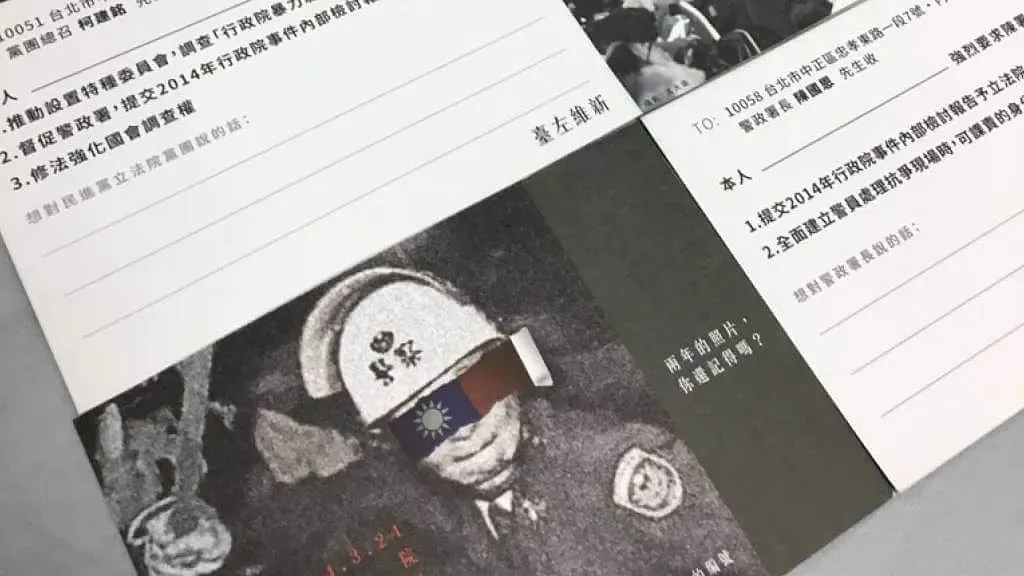
A Small Step for Police Name Tags, a Crucial Step for Sustaining Democracy
Three years after the Sunflower Student Movement, lingering questions extend beyond the oversight bill. On the night of…
2017
Can We Rely on the Quality of Police Interrogations?
One of the most important events in the legal community in the first half of 2017 was undoubtedly the National Judicial…

2014
Look, Just Look at the Face of Justice
Grassroots prosecutors are either at their wits' end or playing it safe, waiting for the moves and intentions of their…
2005
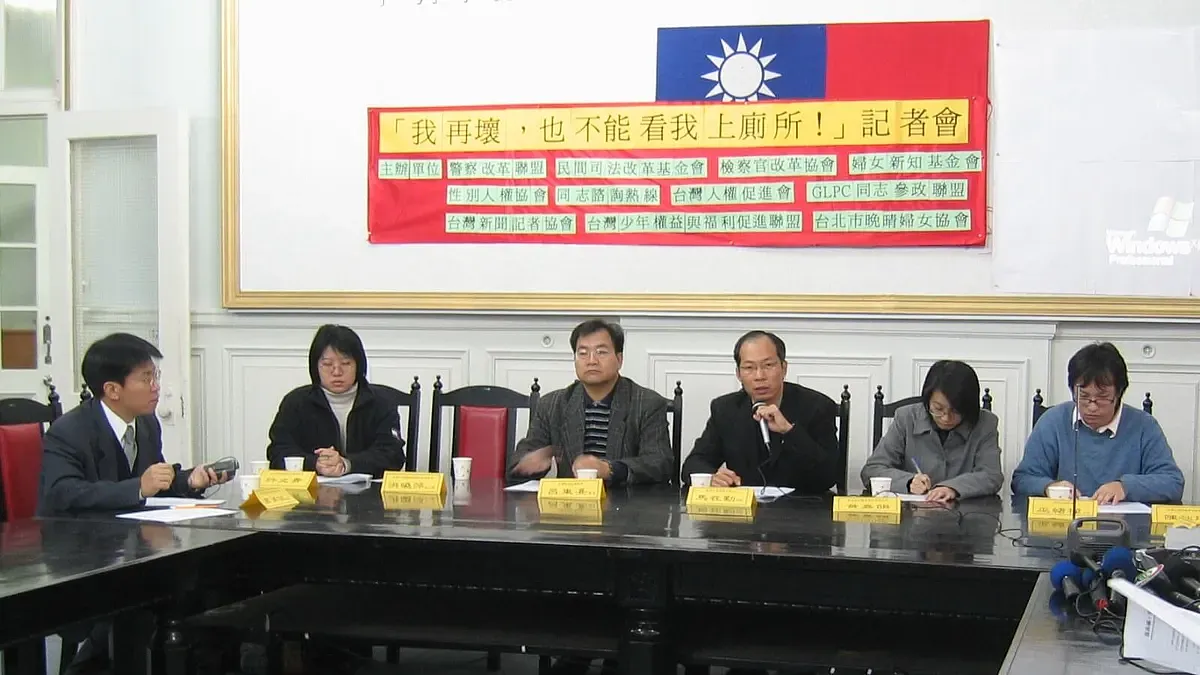
Press Conference: No Matter How Bad I Am, You Can't Watch Me Use the Restroom!
The Police Reform Alliance previously held a press conference on May 30 of this year titled "Police Love to Show Off,…
2005
Let the Police Station Shine Brighter
Where is the convenience store closest to your home? And where is the nearest police station? These are two interesting…
2005
The Implementation of the "Police Powers Act" ~ Moving Forward and Shedding the Notorious Image of a Police State
Prompted by an ordinary and seemingly unremarkable roadside spot-check case that could happen to anyone every day, the…
2005
Police Duty Reform—Don't Forget You Have the Right to Remain Silent
The Judicial Reform Foundation has invested heavily in criminal human rights reform. However, it ultimately found that…
2005
When Police Follow the Rules, Human Rights Are Protected—Please Listen to Us, Officers
Police officers are on the front lines of law enforcement, yet procedural flaws frequently occur: issues such as…