
Chen Ching-kai Case
Overview of the Incident
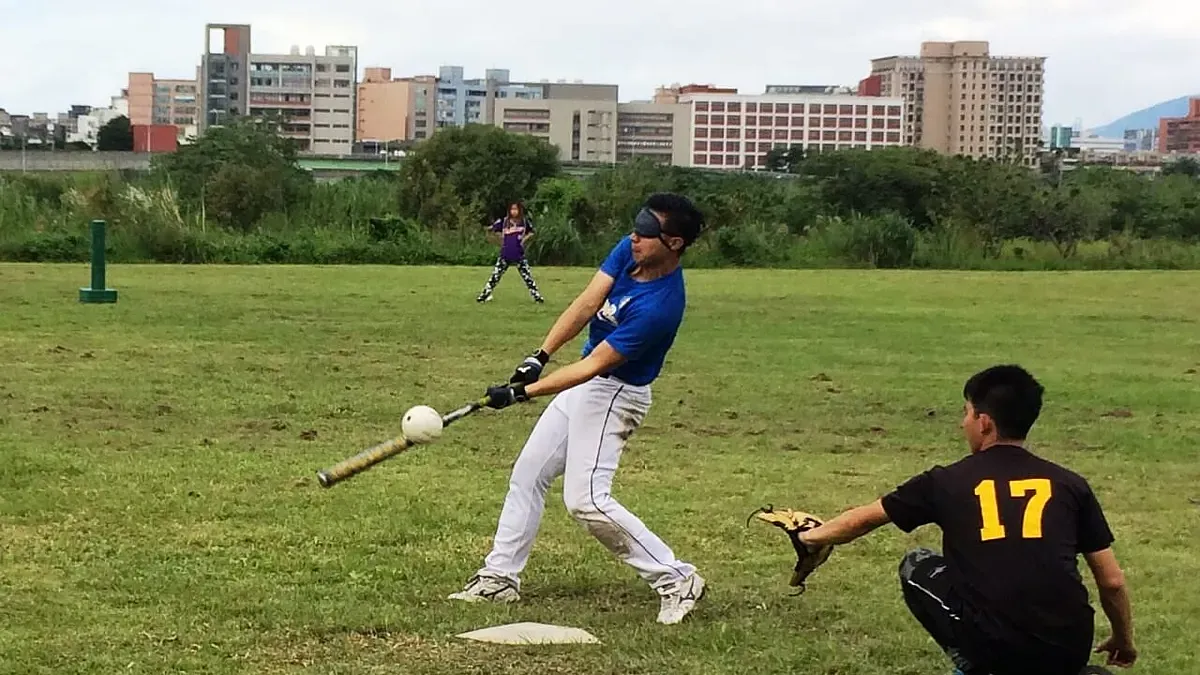
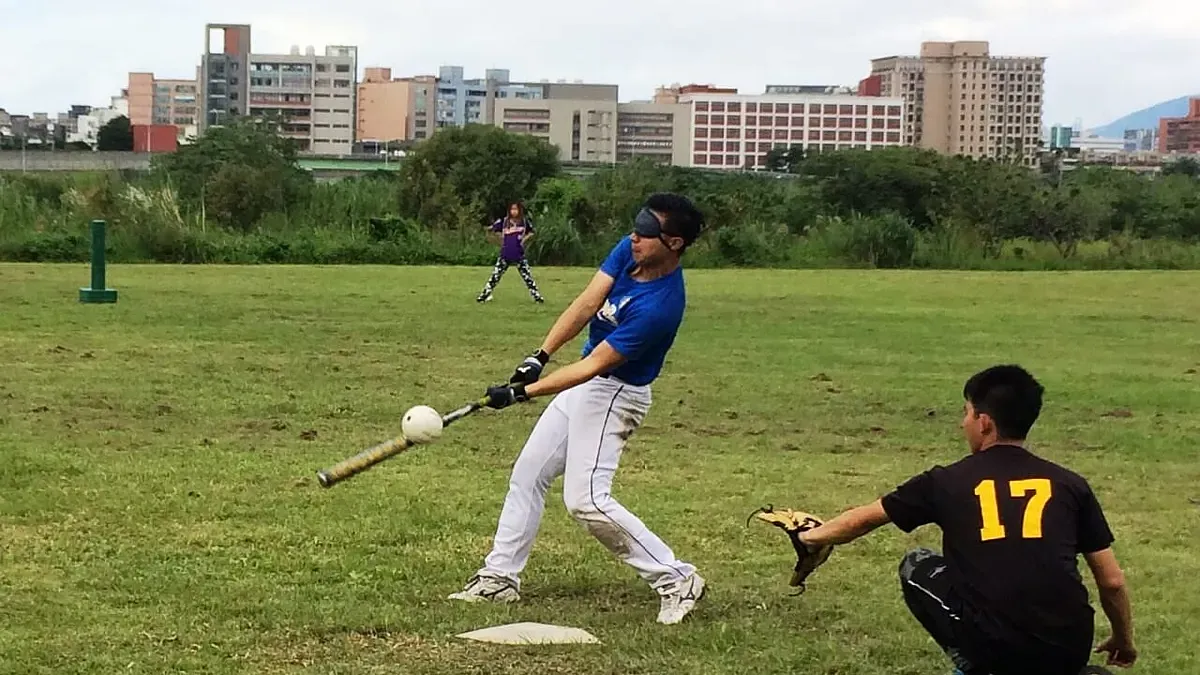
 Photo / Photo of Ch'en Ching-k'ai participating in a handball competition before the traffic accident (95th Hsinchu National High School Athletic Games Handball Competition)
While studying at National Changhua University of Education (NCUE), Ch'en Ching-k'ai was hospitalized following a traffic accident in November 2009. Due to blurred vision, he was referred to the Department of Neurology at Changhua Christian Hospital (CCH). It was opined that although Ch'en's eye structures were normal, his brain's visual area "was suspected of having traumatic cerebral visual cortex lesions." The medical certificate certified that Ch'en, "due to the aforementioned reasons, has bilateral visual acuity below 0.01 on the international visual acuity scale."
Subsequently, Ch'en applied for insurance payouts totaling approximately NT$5.22 million, in accordance with procedures, from Nanshan Life Insurance (policies taken out during high school), Cathay Life Insurance (student group insurance taken out by NCUE), and Mingtai Insurance (compulsory automobile liability insurance covering the tortfeasor). Suspecting Ch'en of faking blindness, the tortfeasor went to NCUE to secretly videotape Ch'en, capturing footage in which Ch'en appeared to move around freely, and concluded that he was suspected of faking blindness. Consequently, the tortfeasor filed a report with the Insurance Crime Prevention Center. After being transferred to the prosecutors office, Ch'en was indicted for fraud, and the criminal judgments of the first and second instances found him guilty and finalized the case.
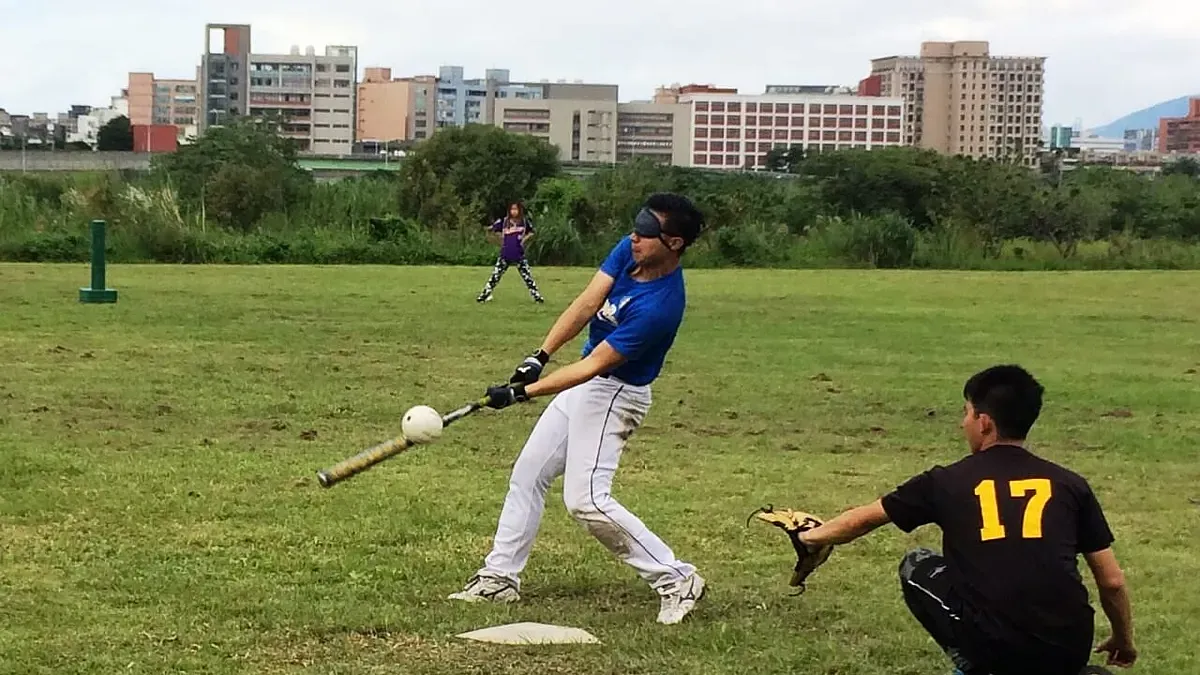
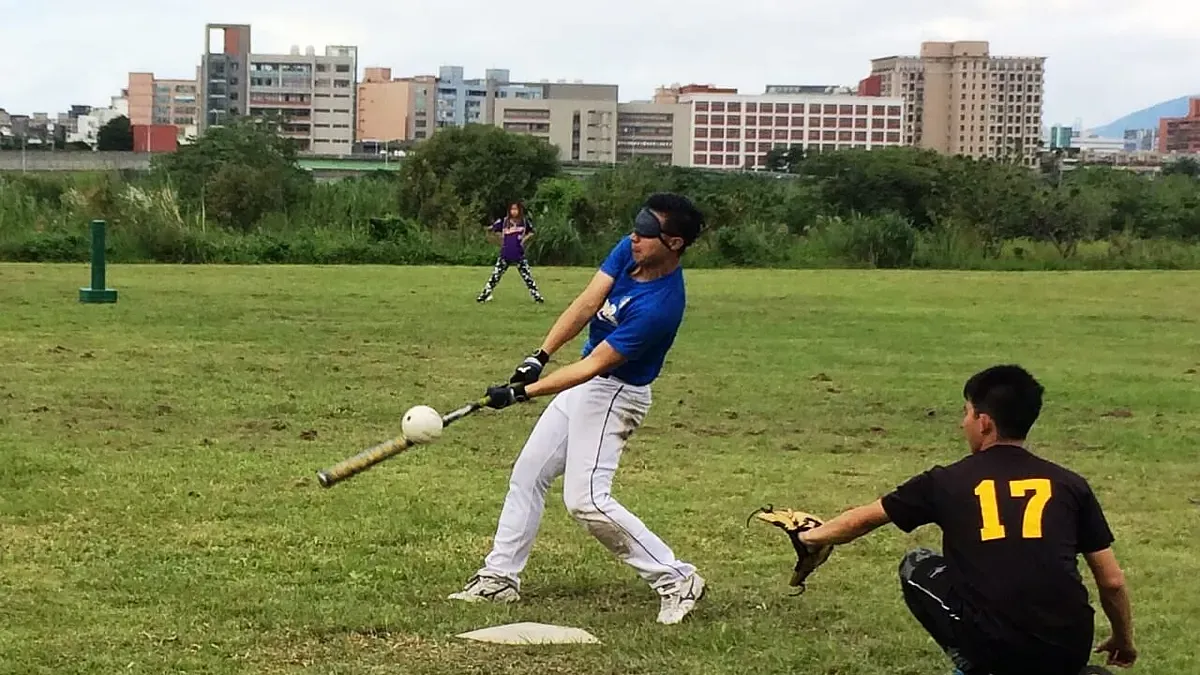
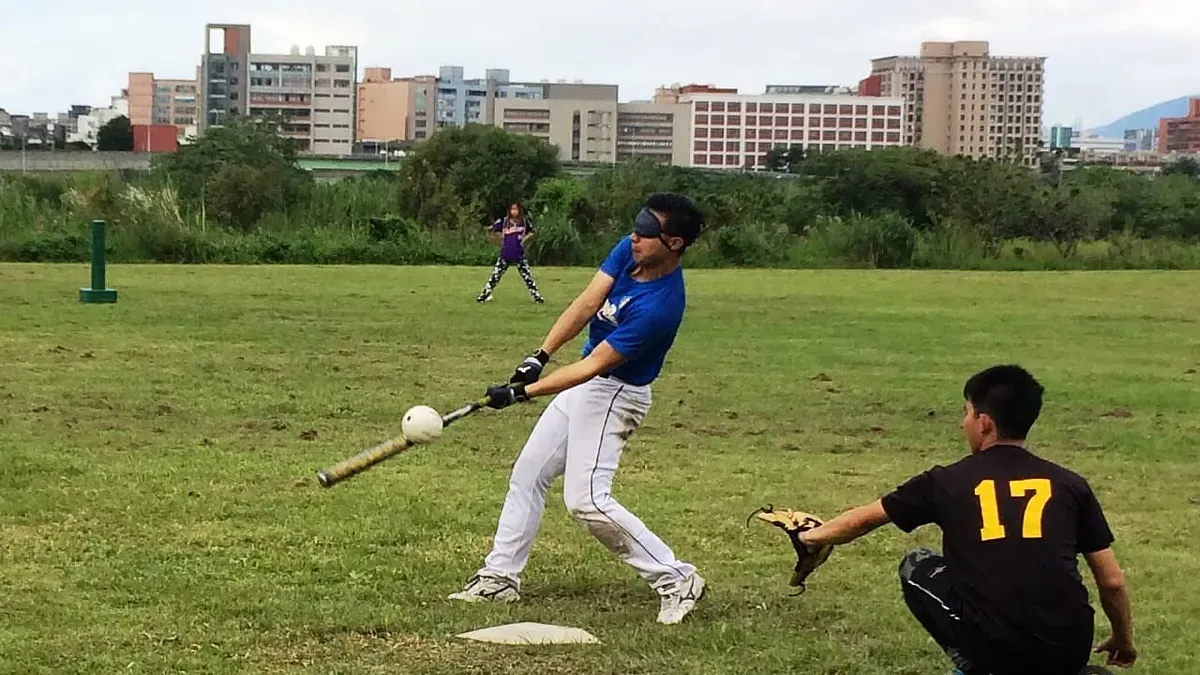
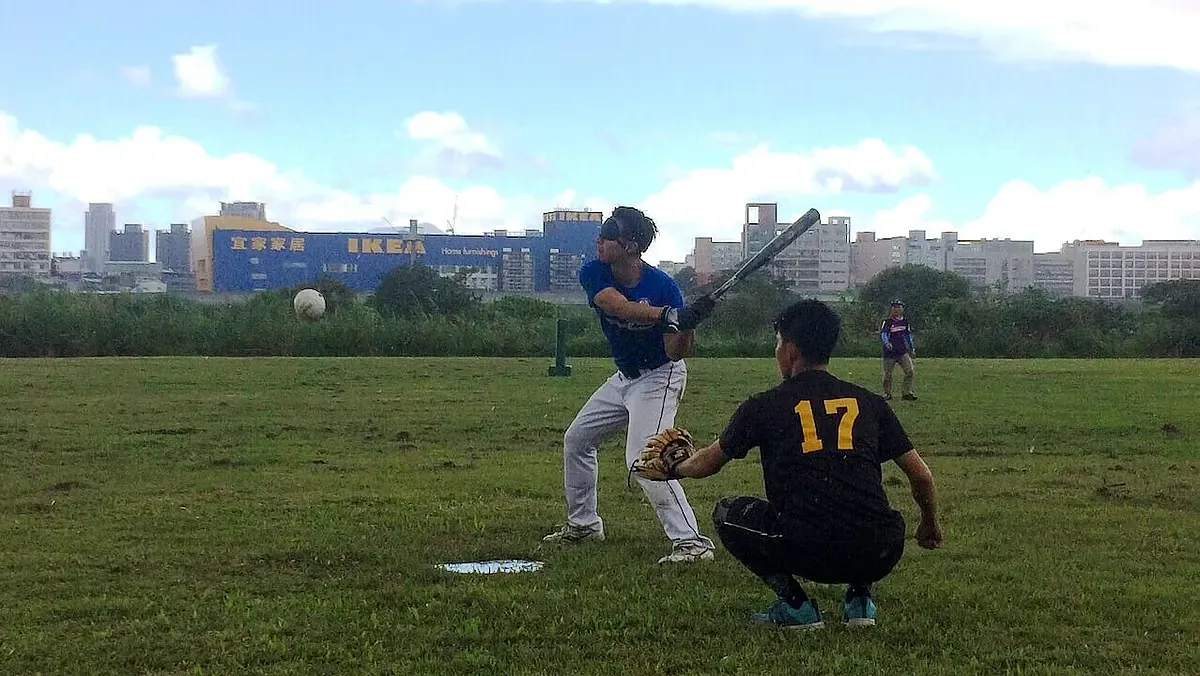
However, the court's guilty judgment contains flaws in judgment that are difficult to convince others, arbitrarily relying on personal experience and the biases of sighted people to conclude that completely blind persons cannot perform actions such as throwing Frisbees or writing, thereby determining that he faked blindness to defraud insurance. The court disregarded a series of visual tests conducted by various hospitals, scientific evaluations by Professor Chang Yin and Professor Chien-chung Chen, and the results of severe visual impairment assessments serving visually impaired professionals. It blindly insisted on using Ch'en Ching-k'ai's behavioral performance in striving to learn and adapt to life after losing his sight as evidence of faking blindness to defraud insurance. This clearly demonstrates a failure to truly understand the actual lifestyle of the visually impaired, allowing biased empirical rules to override professional appraisal scientific reports and witness testimonies, and leading to the conclusion that blindness equals disability.
Q&A
First, Ch'en Ching-k'ai had no motive to commit a crime, for two reasons: First, Ch'en was a national handball player, had no accumulated debts, and did not lack large sums of money. He had absolutely no motive to render himself unable to serve as a national handball player or physical education teacher in order to defraud insurance payouts, thus ruining his bright future. Second, as a university student, Ch'en certainly hoped to pass all his exams and graduate smoothly; he would not have deliberately faked blindness to lower his grades, let alone troubled his course instructors for accommodation just to pass examinations. It is thus clear that Ch'en fundamentally could not have risked failing his exams—or even risking his inability to graduate—for the sake of defrauding insurance payouts.
Second, Ch'en Ching-k'ai lacked the ability to commit the crime. When Ch'en suffered the traffic accident, he possessed no professional knowledge of visual physiology. How could he possibly fool various hospitals and specialist physicians across the board through various tests (for medical records, refer to Chronology)? Furthermore, the evaluation by National Taiwan University directly measured neural responses, which cannot be faked (please see Q5 NTU Evaluation Report). Moreover, if Ch'en had truly intended to deceive, how could he be so "omnipotent" as to fool various professional medical tests, yet be so careless as to catch Frisbees, teach table tennis, and write examination papers in public for everyone to see? Such a scenario is clearly unreasonable.
A more reasonable situation is that when Ch'en Ching-k'ai discovered his vision was impaired, he still held onto the hope of recovery. Therefore, he actively sought medical treatment and rehabilitation, and worked hard to find various strategic methods to cope with life by utilizing light perception and color block perception. Moreover, he was unwilling to let outsiders think he was completely blind, and sought ways to prove that he could still be like his "original self." This is a psychological state commonly found in individuals who suffer mid-life or accidental blindness.
In summary, Ch'en Ching-k'ai not only lacked a motive to commit a crime, but also lacked the ability to do so. Furthermore, referencing numerous professional appraisal opinions, it is abundantly clear that Ch'en is entirely and thoroughly a visually impaired person with visual acuity below 0.01. Therefore, the JRF has identified this as a miscarriage of justice and provided rescue efforts.
"Complete blindness" does not equal "pitch black before the eyes"; one may still possess "light perception" (imagine closing your eyes facing a light source). Furthermore, "blindness" does not equal "complete disability." Ch'en Ching-k'ai experienced sudden blindness, retains memories of writing and sports, and still possesses light perception, color block perception, and peripheral vision in the lower-left field of view. Through strategic learning, it is not strange for him to accomplish these tasks.
Regarding writing, Ch'en uses the distance between his left index and middle fingers as a measuring scale. After finishing a line, he uses his right index finger to touch the handwriting, then moves his left hand to find the position of the next line. Regarding throwing Frisbees, Ch'en selects brightly colored Frisbees; when illuminated, the Frisbees produce "color blocks," which become even more distinct during movement. Therefore, Ch'en can sense "moving color blocks," and through repeated practice, he can grasp the relationship between color block changes and distance, responding in real time.
At the time, the examining instructor prepared exam papers with enlarged fonts (A3 size) for Ch'en, which differed from the photocopied reduced versions (A4 or smaller than A4) seen by the judge during court sessions, and the instructor gave Ch'en a longer examination time. Furthermore, Ch'en would narrow down the range of words and phrases likely to appear on the test paper through pre-exam preparation, coupled with his color block perception of font shapes, to guess what the questions might be. However, even so, reading remained quite strenuous for Ch'en, his exam scores were not ideal, and his answers were irrelevant to the questions. For reference, see the General Education course "Plants of Taiwan" test paper (37 points).
To accommodate Ch'en's visual impairment, some instructors switched to oral examinations instead of testing with paper exam papers; some subjects used video playback for questioning, allowing answers without fully reading physical text; and some subjects even switched to service-learning for grading. However, the judge did not investigate or understand the instructors' question-setting conditions before rashly making a judgment.
The judges of the Kaohsiung District Court possessed no expertise in visual impairment. Without the assistance of experts, they demanded on the spot that Ch'en wear an eye mask and perform, failing to consider that a completely blind person's mastery of space relies on specific learning strategies and adaptive experience. The courtroom space was not a familiar location to Ch'en and could not manifest the athletic capabilities a fully blind person might possess. Moreover, at the time of the hearing, Ch'en had already left his student days behind and was busy with vocational rehabilitation and earning a livelihood; he had lost a major portion of the athletic feel he previously cultivated. Therefore, Ch'en did not respond to this request.
Although it was not conducted within the courtroom space during the original trial, a video of Ch'en wearing an eye mask and engaging in non-visual activities on June 14, 2016, was played in court during the proceedings.
The appraisal by National Taiwan University utilized fMRI and EEG, which are objective inspection methods not subject to the examinee's subjective consciousness. Unless the examinee possesses superpowers, it is impossible to alter the objective correspondence between visual stimuli and responses. The appraisal consisted of three parts:
-
Functional Magnetic Resonance Imaging (fMRI):
Confirms whether the brain's visual cortex responds to visual stimuli. General MRI can only check for damage to the brain's "structure," but some lesions involve "functional" rather than structural damage (such as amblyopia). Therefore, this method is used to observe whether the brain's operating intensity is the same as that of a normal person. An eye-tracking device was also installed to monitor the examinee.
Appraisal Result
Ch'en Ching-k'ai's remaining visual response was only 2.6% of that of a normal person, far falling short of someone with normal vision. Moreover, the responsive area was located near the deep interior of the brain within the visual cortex, with no response on the brain's surface position, which aligns with the hypothesis of brain injury caused by external force. -
Electroencephalography (EEG):
Checks the brain's response within 0.5 seconds after visual stimulation, recording potential changes generated by brain nerve cells to determine whether brain function exhibits abnormal electrical discharges or potential abnormalities.
Appraisal Result
Ch'en Ching-k'ai's visual response was severely delayed and far inferior to that of a person with normal vision, leaving only residual peripheral vision in the lower-left corner, which cannot support high-level visual cognitive processing such as object recognition. -
Psychophysical Behavioral Assessment:
Estimates the examinee's visual resolution and visual motor capacity. Furthermore, the experimental design can detect if the subject fails to cooperate or answers randomly.
Appraisal Result
Ch'en Ching-k'ai's visual sensitivity at a 75% accuracy rate was approximately 0.00055, and at a 90% accuracy rate was approximately 0.00042, far below the international visual acuity standard of 0.02 stipulated for insurance payouts.
The appraisal methods adopted by National Taiwan University can rule out the possibility of the examinee faking blindness, conforming to appraisal science standards. (View the Appraisal Report)
According to the testimony in Dr. Chao's court record, it is briefly summarized as follows:
Dr. Chao considers Ch'en Ching-k'ai a rare case. His eye structure and pupillary reflex were normal, but electroretinography (ERG) and visual evoked potential (VEP) tests showed that Ch'en's non-response period was relatively slow, indicating problems with neural conduction, while pattern ERG or VEP showed almost no response.
Furthermore, ERG and VEP cannot be fabricated. Even if a highly experienced vitreoretinal specialist conducts the test, such data cannot be fabricated. Moreover, Ch'en suffers from "nystagmus"; patients with such a condition do not have very good vision. During a nystagmus examination, whether he closes his eyes or not can be seen extremely clearly.
Additionally, the testing method at Cheng Hsin General Hospital uses a Burian-Allen speculum to prop open the eyelids, making it fundamentally impossible for the examinee to "intentionally close their eyes."
Dr. Chao additionally referenced Ch'en's cerebral blood perfusion test at CCH. A PET scan showed poor bilateral occipital lobe perfusion, leading to the issuance of a Class A medical certificate for "cortical blindness."
(View the Medical Certificate)
The Pattern ERG, Pattern VEP, and Flash VEP charts and other tests performed on Ch'en Ching-k'ai by the Tri-Service General Hospital (TSGH) were evaluated by visual electrophysiology expert Professor Chang, who concluded that Ch'en's visual function is abnormal, and issued two opinion reports. Professor Chang's appraisal opinions are briefly summarized as follows:
-
Pattern ERG
Appraisal Result
The Pattern ERG results performed by TSGH on Ch'en showed a (P50-N95)/(N35-P50) ratio of less than 1.1, indicating that N95 is abnormal and showing that the problem lies within the optic nerve. -
Pattern VEP
Appraisal Result
The Pattern VEP waveforms administered by TSGH to Ch'en lacked N75, P100, and N135 markings, nor did they possess discernible N75, P100, and N135 waves, making them difficult to interpret and unfit to serve as a formal test report. Even if a forced attempt was made, it could still be found that Ch'en's numerical values were much lower than standard values, showing PVEP to be clearly abnormal. -
Flash VEP
Appraisal Result
The Flash VEP waveforms administered by TSGH to Ch'en were abnormal, showing distinct differences from normal Flash VEPs.
Professor Chang opined that the "normal" judgments made by TSGH based on objective examinations such as Pattern ERG, Pattern VEP, Flash VEP, Multifocal ERG, and Multifocal VEP lacked theoretical basis and were difficult to agree with, and concluded that the chart results demonstrate that Ch'en's visual function is abnormal.
In the past, society's understanding of visual impairment was predominantly based on "damage to the eye structure," and understanding of visual impairments caused by damage to the "cerebral cortex or optic nerve transmission pathways" remained insufficiently widespread. Before such visual impairments were recognized, patients were frequently deemed to be intentionally feigning illness. Furthermore, the professional expertise of ophthalmologists in Taiwan is centered on "eye structures," and Dr. Ch'en, being a retina specialist, was relatively unfamiliar with matters involving the "cerebral cortex or optic nerve transmission pathways."
According to Dr. Ch'en's testimony in the court record: Initially, following the ophthalmological testing procedure, Dr. Ch'en issued a certificate stating Ch'en Ching-k'ai's "international visual acuity is below 0.01"; and because Ch'en's eye structure was normal, yet cerebral blood perfusion examinations detected that his brain's visual area exhibited "bilateral occipital lobe blood perfusion significantly reduced compared to other parts," Dr. Ch'en also previously put forward a diagnostic opinion of "suspected cortical blindness."
In December 2011, the Changhua District Court attached Ch'en's exercise videos and written exam papers for Dr. Ch'en's review. Dr. Ch'en opined that Ch'en's athletic ability did not resemble that of a completely blind person, believing that playing table tennis and catching Frisbees require a high degree of hand-eye coordination, which can only be accomplished when both eyes have very good vision. Regarding this part, as explained in Q2 regarding exercise strategies, it is not strictly necessary for both eyes' vision to be "very good" to accomplish these tasks.
Regarding the claim that Ch'en "kept his eyes closed and uncooperative during testing," when Dr. Ch'en testified in court during the second instance, the court played surveillance footage of Ch'en undergoing a visual evoked potential (VEP) test on his left eye in January 2012. The prosecutor also agreed that the video showed Ch'en occasionally blinking rather than keeping his eyes closed. In addition, Dr. Ch'en opined that an examinee could "learn" nystagmus or cause "abnormal electrophysiological test" results through inattention. However, in reality, Q1 has already explained that Ch'en possessed no professional knowledge of visual physiology and fundamentally lacked the ability to deceive and pass various tests across multiple hospitals and specialist physicians. Among them, the testing method at Cheng Hsin General Hospital used a Burian-Allen speculum to prop open the eyelids, making it fundamentally impossible for the examinee to "intentionally close their eyes." Alternatively, referring to Q6, Dr. Chao of Cheng Hsin opined that even for a highly experienced vitreoretinal specialist conducting the test, such data would be difficult to fabricate.
Finally, although the "brain blood perfusion nuclear medicine Tc-99m scan" performed at CCH revealed that Ch'en's brain visual area showed "blood perfusion significantly reduced compared to other parts," Dr. Ch'en stated during the second-instance court session that this was "for reference only" and had no direct relationship with vision. Simply put, Dr. Ch'en ruled out the vision impairment results detected by "functional" tests, holding that severe visual impairment is impossible to go undetected in terms of "structure." In reality, however, structural examinations cannot entirely rule out visual impairments caused by brain lesions. Numerous literatures have previously pointed out that not all brain lesions can present abnormalities in structural imaging examinations. Should one believe that ophthalmological visual acuity tests cannot "prevent fraud," one may refer to the NTU appraisal method in Q5, which has already ruled out the possibility of the examinee faking blindness.
Following the traffic accident, Ch'en had to adjust to life while also handling lawsuits. Moreover, the tortfeasor claimed to have no money while suspecting Ch'en of faking blindness, engaging in long-term stalking and covert photography. On one occasion, two men claiming to be friends of the tortfeasor came to the school looking for Ch'en; upon finding that Ch'en was not at school, they even cursed at his department classmates and threatened that they would come looking for him again. Under threats to his personal safety, his elders advised him to treat it as a debt owed in a past life to be repaid in this one, and a settlement was reached merely to bring the matter to an end sooner.
Ch'en's injuries from the traffic accident were quite severe; diagnoses included concussion, fractures of the lumbar, thoracic, and cervical vertebrae, right zygomatic fracture, and jaw dislocation. In addition to vision issues, both hearing and memory problems emerged.
After the accident, Ch'en possessed only faint light perception, with only colors appearing before his eyes. Later, during the rehabilitation period, the color blocks gradually transitioned from blurred to more concentrated and distinct. At the time, he believed his vision had slightly improved and also held expectations that his vision might get better and better. Ch'en and his family, undergoing treatment and rehabilitation, maintained optimistic expectations for any progress or changes. Furthermore, alongside the improvement of his other injuries, Ch'en, who was actively undergoing rehabilitation, believed there was also an opportunity for his vision to improve.
Moreover, after February 2010, Ch'en continued to seek medical treatment. On June 24, 2014, Dr. Chao Hsiao-ming of Cheng Hsin General Hospital diagnosed Ch'en with "cortical blindness" and issued a Class A medical certificate (refer to Q6). Diagnostic certificates from other hospitals were also issued during this period.
Seeking medical treatment due to the traffic accident, Ch'en possessed no visual or ophthalmological expertise and could only look to physicians for treatment. When Dr. Ch'en initially diagnosed Ch'en as blind, yet everyone else felt he could see, Ch'en bore tremendous pressure at the time, not knowing how to go on. Ch'en felt that if everyone believed his vision was good, he would simply go see a doctor to see if a medical certificate stating his vision had improved could be issued; perhaps then the matter would not have to entangle him for so long, and he did not even wish to claim the insurance payout. He even had suicidal thoughts at the time, and Ch'en expressed that such pressure is difficult for outsiders to comprehend.
2022
Court Observation Recruitment | Third Criminal Retrial in the Case of Former National Handball Athlete Ch'en Ching-k'ai
The fourth pre-retrial investigative hearing for this case will be held on Friday, September 23. Regarding the…
2022
Court Observation Recruitment | Third Criminal Retrial Hearing in the Ch'en Ching-k'ai Former Handball National Athlete Case: Professor Tseng Hsiang-fei Summoned to Pre-Retrial Investigation Hearing
2022
Court Observation Recruitment | Third Criminal Retrial of Former Handball National Team Athlete Ch'en Ching-k'ai Case: Pre-Retrial Investigation Hearing to Summon Associate Professor Chang Ch'ien-hui
The second pre-trial investigation hearing for this case will be held on Friday, July 1, to summon expert Associate…
2022
Court Observation Recruitment | Third Criminal Retrial Petition in Former National Handball Player Chen Ching-Kai's Case
Chen Ching-Kai became blind after a car accident in 2009. After working hard at rehabilitation and returning to…
2020
[Solidarity Event] Judgment in the Chen Ching-Kai Civil Retrial
The dispute between Cathay Life Insurance and Chen Ching-Kai over repayment of insurance benefits is now in a second…
2020
[Event] Civil Retrial Hearing in the Chen Ching-Kai Case - Court Observer Recruitment
On December 9, 2020, the civil retrial proceeding between Cathay Life Insurance and Chen Ching-Kai will proceed to oral…
2020
Former National Handball Player Wrongfully Convicted of Faking Blindness - Nationwide Train-the-Trainer Workshop
To help more attorneys understand the Chen Ching-Kai case from the perspectives of law, medicine, vision science, and…
2020
[Event] Civil Retrial Hearing in the Chen Ching-Kai Case & Volunteer Gathering
The period from now through the end of this year and into next year will be crucial for the Chen Ching-Kai case. We…
2020
[Solidarity Action] Judgment Rendered in the Civil Retrial of Ch'en Ching-k'ai's Case!
Regarding the civil retrial proceedings, the Taiwan High Court Kaohsiung Branch Court will render its judgment on…
2020
[Event] Civil Retrial Hearing for Ch'en Ching-k'ai Case: Court Observation Volunteers Wanted!
After the Judicial Reform Foundation took up his case, the legal team filed for retrials in both criminal and civil…
2019
[Event] Ch'en Ching-k'ai's Civil Retrial Hearing: Call for Court Observation Volunteers!
Former national handball player Ch'en Ching-k'ai once had a bright future ahead of him. While studying at National…
2019
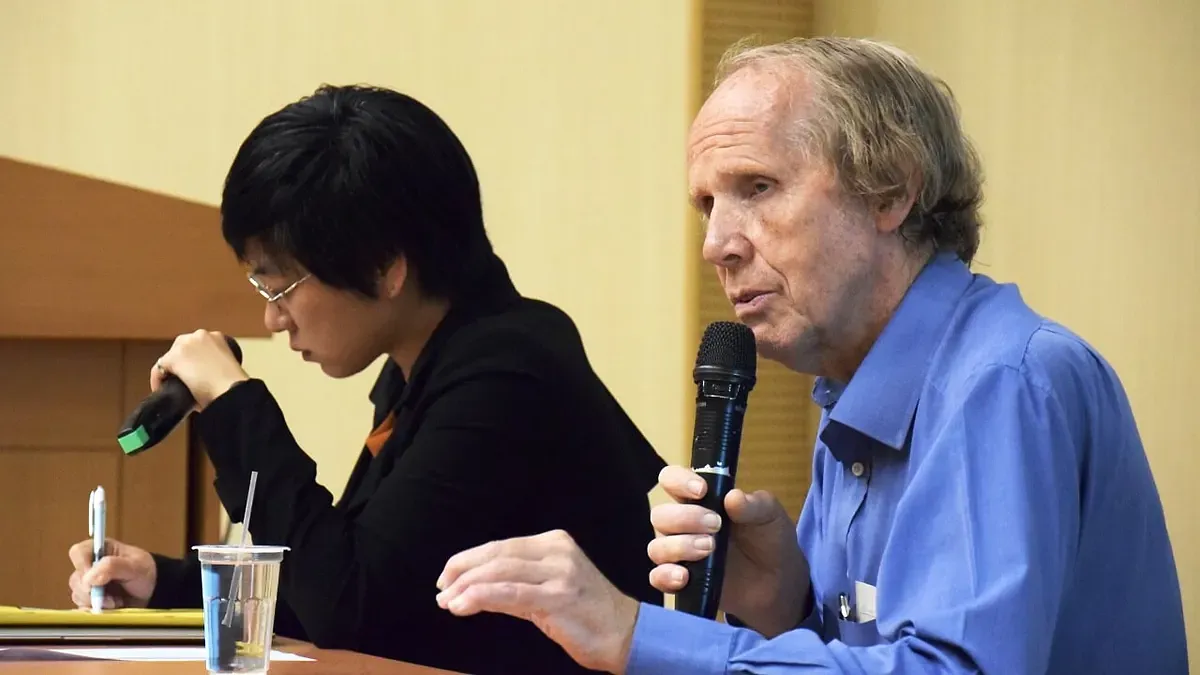
Seminar Transcript | Legal Medical Diagnosis Requirements in the UK: 2019 Diagnosis, Education, and Rehabilitation of Cerebral Visual Impairment
Today's reported topic is "Legal Medical Diagnosis Requirements in the UK." While I may not be entirely familiar with…