
Human Rights Conventions
What are Human Rights Covenants?
International human rights covenants are human rights standards formulated by the United Nations, signed by governments worldwide, and committed to observance. Although Taiwan is not a UN member state, it has domesticized and implemented several core human rights covenants through domestic laws since 2009, and regularly undergoes reviews by international experts to evaluate the government's practical effectiveness in protecting people's fundamental rights.
Through participating in civil society's parallel reporting mechanism, JRF presents human rights issues in areas such as criminal justice, the death penalty, torture, and the treatment of persons with disabilities from an independent civil society perspective, while proposing concrete recommendations for improvement to the government.
Key Human Rights Covenants Implemented in Taiwan
International Covenant on Economic, Social and Cultural Rights
Commonly referred to as the "Two Covenants", implemented in 2009. They cover core issues such as personal liberty, fair trial, freedom of expression, the right to life, and the abolition of the death penalty, and are subject to regular international expert review.
and its Optional Protocol
Prohibits subjecting anyone to torture or inhuman treatment. Taiwan has yet to complete the legislative enactment of its implementation act; JRF continues to advocate for its immediate passage and the establishment of a National Preventive Mechanism against torture.
Implemented in 2014. Safeguards the equal participation and independent living rights of persons with disabilities. JRF focuses on the treatment and disposition of persons with psychosocial disabilities in the criminal justice system.
Implemented in 2014. Protects the best interests of children and youths alongside their fundamental rights. JRF advocates and makes recommendations on juvenile justice and child protection issues.
JRF's Work in the Field of Human Rights Covenants
Uniting multiple civil society organizations to submit independent parallel reports to international review committees regarding criminal justice, the death penalty, torture, prisoner treatment, and other issues.
Dispatching representatives to international review sessions for the Two Covenants, CRPD, and others to directly present civil society perspectives to committee experts and address shortcomings in government reports.
Pushing for the prompt legislation of the Implementation Act of the Convention against Torture, demanding a halt to executions, and urging the government to implement concrete recommendations from the covenants' concluding observations.
Cooperating with Amnesty International, UN Special Rapporteurs, and human rights organizations across Asia to jointly promote regional human rights progress and show solidarity with persecuted individuals.
Key Issues We Continuously Monitor
- Abolition of the Death Penalty and Suspension of Executions: The death penalty is the most severe deprivation of the right to life. JRF urges the government to suspend executions and establish a clear timeline for the abolition of the death penalty, rather than using "public opinion" as an excuse for prevarication.
- Ending Torture: On June 26th each year, the International Day in Support of Victims of Torture, JRF unites with human rights organizations to continuously advocate for the passage of the Implementation Act of the Convention against Torture, ensuring that victims obtain effective remedies and perpetrators are held accountable.
- Fair Trial and Personal Liberty: The due process of arrest procedures, the principle of non-publicity of investigations, the protection of the right to counsel, and wrongful conviction rescue are all directly related to the core obligations under Articles 9 and 14 of the ICCPR.
- Persons with Disabilities in Criminal Justice: Persons with psychosocial disabilities often lack adequate protection during investigation, trial, and execution within correctional institutions. JRF monitors the constitutionality and CRPD compliance of the system of custody and medical treatment (monitoring disposition).
- Indigenous Human Rights: Focusing on indigenous cultural identity (single-name registration), the criminal prosecution of traditional hunting rights, and the realization of cultural rights for minority groups under Article 27 of the Two Covenants.
- Trend Toward Penal Extremism: Opposing the Legislative Yuan's populist practice of continuously increasing statutory penalties. Criminal policy should return to an empirical basis to avoid over-criminalization exacerbating the misallocation of judicial resources and the burden on correctional institution populations.
Timeline of International Reviews on the Two Covenants
⚖️ Implementation Act of the Convention against Torture – Still Awaiting Passage
The draft implementation acts for the Convention against Torture (CAT) and its Optional Protocol (OPCAT) were submitted by the Executive Yuan to the Legislative Yuan in 2018 and 2020 respectively, but have yet to complete review. Taiwan is currently one of the few democracies that has implemented multiple international human rights covenants yet has not implemented CAT. JRF continues to unite with civil society human rights organizations to demand that the Legislative Yuan pass the legislation swiftly and establish a National Preventive Mechanism (NPM).
Learn More, and Advance Human Rights Together
Read JRF's parallel reports, press releases, and commentary articles to understand how we promote judicial human rights reform through covenant mechanisms.

2014
Law Is More Than Statutory Provisions
The contents of the two Covenants are extensive, and having them all introduced into our country at once inevitably…

2014
The Psychological States of Death Row Inmates and Judges
After all, Taiwan is still a country with the death penalty. Regardless of what laws judges use to sentence someone to…
2014
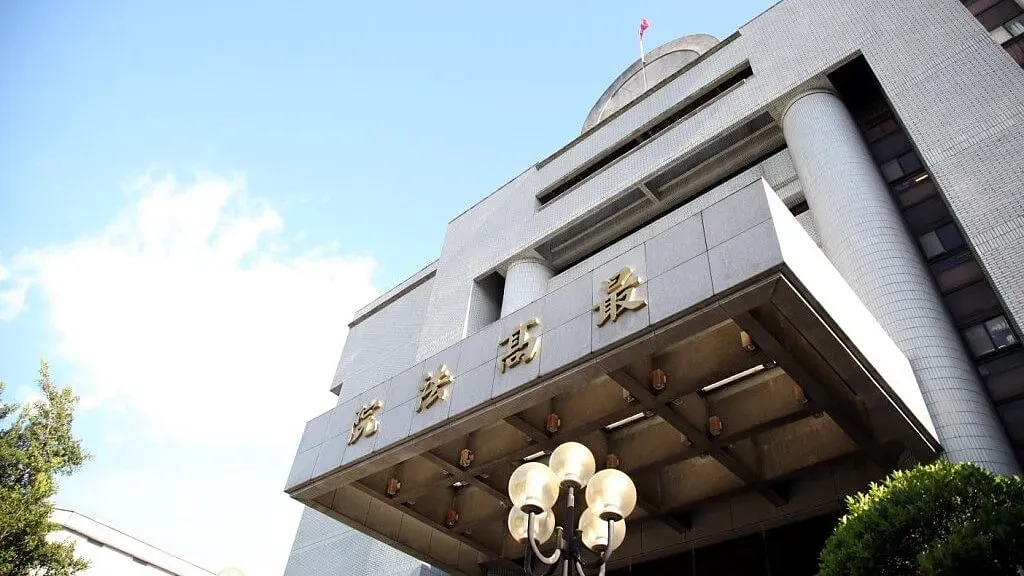
The Soul-less and Lifeless Supreme Court
Just as the Supreme Court was about to reach a full-year record without a single finalized death sentence, it broke the…
2014
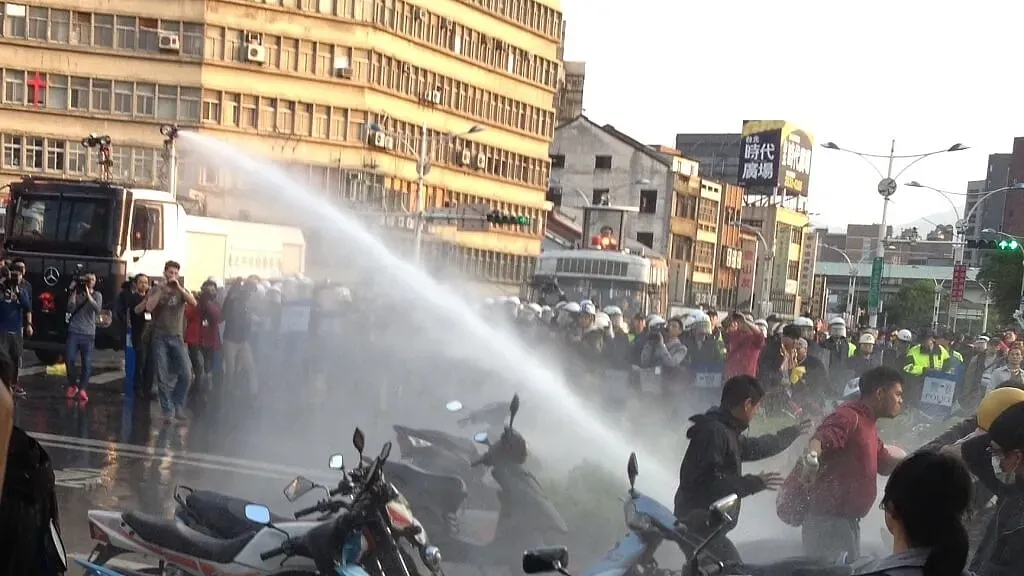
Only Premier Chiang Can Still Sleep Soundly
The Executive Yuan eviction operation began at midnight. First at the intersection of Peiping E. Rd. and Linsen N. Rd.,…

2014
Ma's Judicial Reform Track Record is Appalling
President Ma's popularity has plummeted, with many of his 2008 campaign promises falling through and his 2012 'Golden…
2011
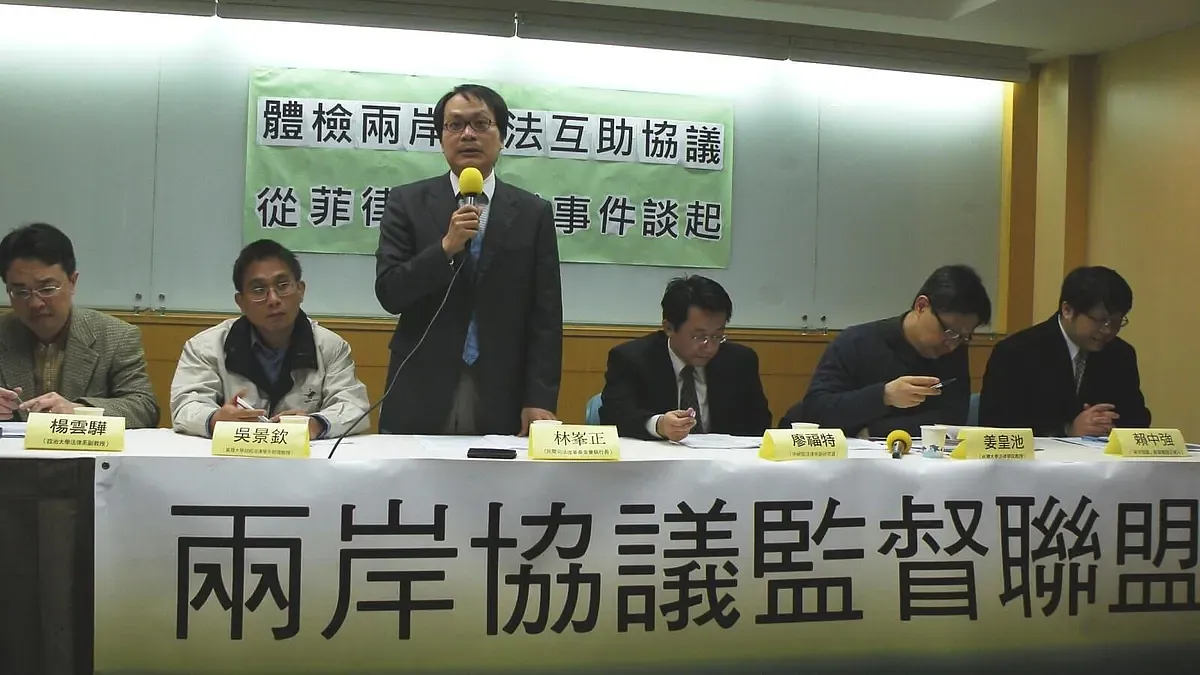
Post-Event Press Release|Reviewing the Cross-Strait Judicial Mutual Assistance Agreement—Starting from the Deportation Incident to the Philippines Seminar
Recently, the Philippine government extradited 14 ROC citizens suspected of fraud to China, raising human rights…

2004
Ending the Tragedy of Corporal Punishment
In view of repeated incidents of students suffering injuries from corporal punishment by teachers, the Association for…
2004
Gender and Law
Several recent news stories related to "gender" are worth noting: First, on June 4, the Legislative Yuan passed the…
2004
What Was Missing from the May 20 Inaugural Address?
Although President Ch'en Shui-bian's May 20 inaugural address—which drew widespread domestic and international…