
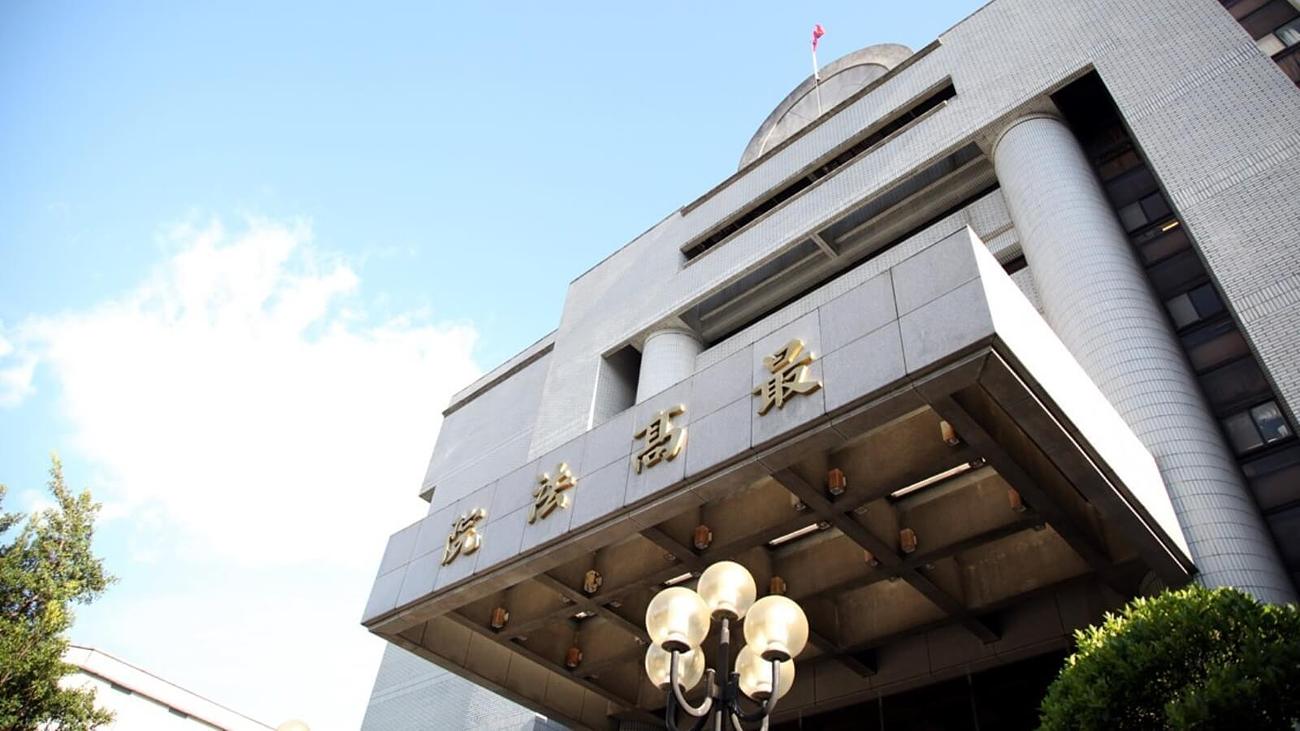
Reform of the Highest Judicial Bodies
Under Taiwan's Constitution, the highest judicial body has the power to interpret the Constitution and to issue uniform interpretations of laws and regulations. It is the ultimate guardian of the law, which is why reforming it is so important.
The JRF's proposals for reforming the highest judicial bodies focus on the following areas.
Transforming the Judicial Yuan
The Constitution designates the Judicial Yuan as the highest judicial body, responsible for adjudicating civil, criminal, and administrative cases and for disciplining public officials. Under current law, however, the Judicial Yuan is in fact the highest body for judicial administration, not the highest court. Although the Grand Justices, who interpret the Constitution, sit within it, the Judicial Yuan has no criminal, civil, or administrative divisions of its own to hear cases at the final instance. Instead, the courts at every level, the administrative courts, and the Commission on the Disciplinary Sanctions of Functionaries are all placed under it. This separation of the highest administrative body from the highest court raises the concern that judicial administrative power may be used to interfere with judicial independence, leaving an overlord sitting above even the court of final appeal.
For this reason, in Interpretation No. 530 of October 5, 2001, the Grand Justices stressed that judicial administrative supervision must not interfere with judicial independence. They also required that the Judicial Yuan Organization Act, the Court Organization Act, the Administrative Court Organization Act, and the Organic Act of the Commission on the Disciplinary Sanctions of Functionaries be reviewed and amended within two years of the Interpretation to bring them into line with the constitutional system.
The JRF's 1998 Judicial Reform Blueprint made a similar point, but proposed abolishing the Judicial Yuan as an administrative body and replacing it with a Supreme Court centered on adjudication, alongside a separate Constitutional Court. After the National Judicial Reform Conference in 1999, the JRF endorsed the conference's conclusion instead, which was to merge the court of final appeal into the Judicial Yuan. Although the approach changed, the basic direction remained the same.
Reforming the Supreme Court
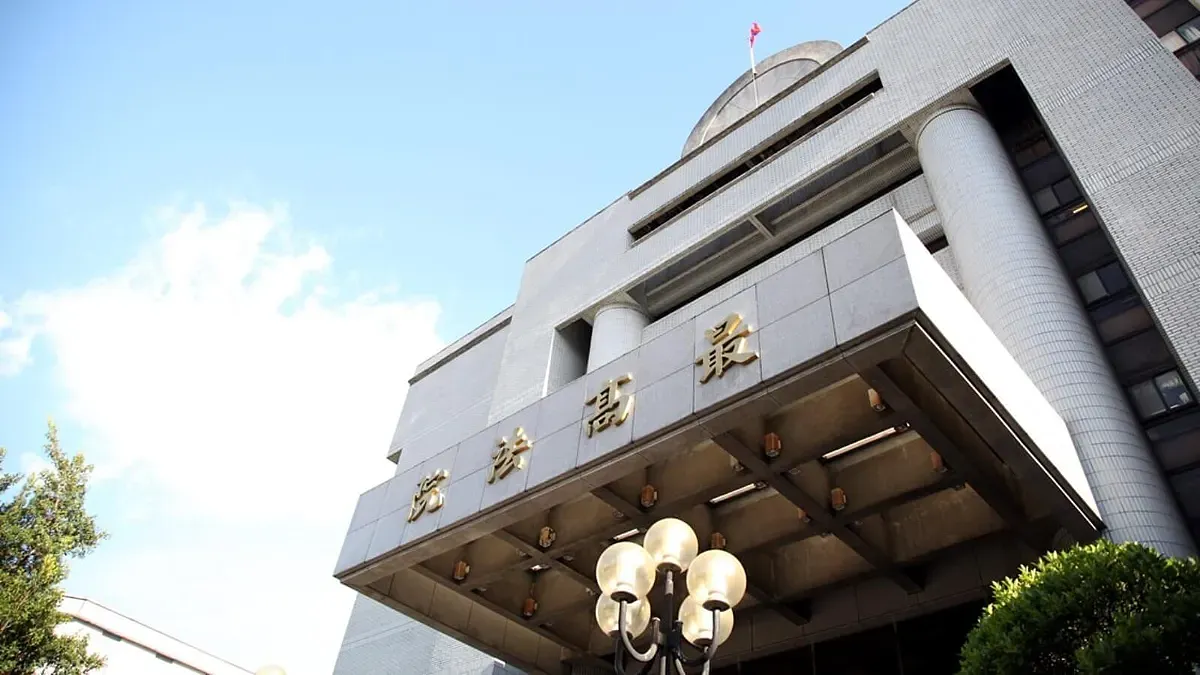
For the JRF, reforming the Supreme Court is essential because, under current law, it is the highest court. It decides whether major cases become final, and its legal opinions guide both the lower courts and administrative agencies.
The main Supreme Court reforms the JRF has advocated or supported are as follows.
-
Ending Secret Case Assignment and Strengthening Public Oversight
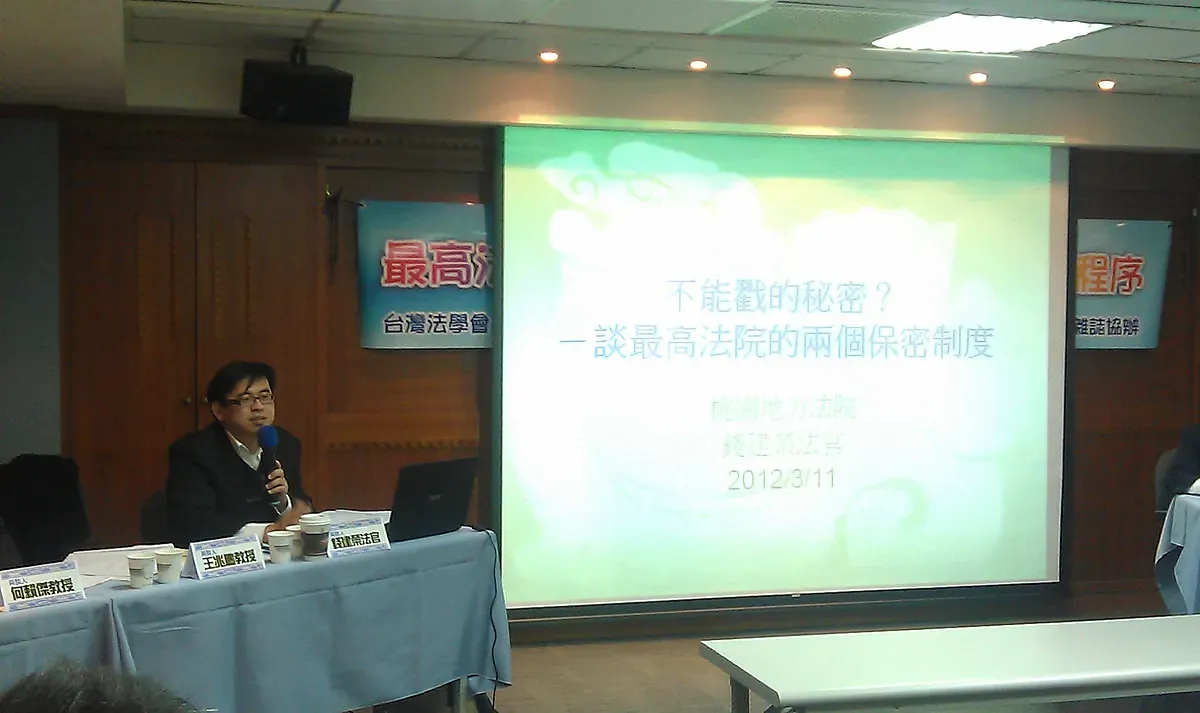
For many years, the Supreme Court assigned cases in secret, so the parties could not know which judges were hearing their case. The official explanation was that secrecy prevented people from lobbying judges once they knew who they were. In reality, lobbying should be prevented through greater transparency (for example, by disclosing who lobbied and what was said) and through ordinary anti-corruption and crime-prevention measures. Secret assignment let Supreme Court judges hide behind a veil of secrecy and invited criticism that cases were being assigned behind closed doors, beyond any oversight. The JRF therefore called for cases to be assigned according to published rules, and secret assignment was abolished on April 16, 2012.
-
Strengthening Oral Argument So That Review Is Not Limited to Paper
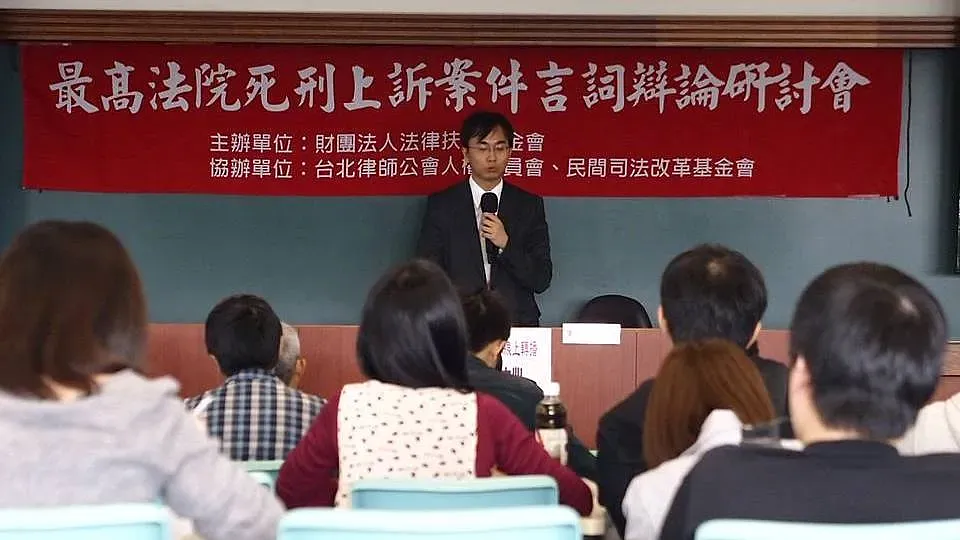
For a long time, the Supreme Court almost never held hearings, deciding cases on the written record alone. The parties had no chance to present their views to the justices in person, and the justices had little opportunity to form their judgments through direct questioning and contact with real people. And because there were no hearings, the public could not attend, observe, or scrutinize the Court's work.
The JRF argued that the Supreme Court should hold oral argument in cases raising major legal questions, as current law already provides, and that the Court should put this into practice. In October 2012, a joint meeting of the Supreme Court's judges decided that oral argument would be held in every case in which a death sentence had been imposed at the second instance, as well as in other cases of major legal significance. At the end of 2015, civil society groups reviewed the first three years of oral argument in death penalty cases and called for further reforms, including formal rules on oral argument and the defendant's right to attend and take part in the proceedings. As the Supreme Court gradually expanded oral argument, the JRF also set up a research group on Supreme Court oral argument to push for continued improvements in the supporting measures.
-
Keeping Binding Precedents Up to Date and Tying Legal Rules to the Facts of the Case
Taiwan's system of selecting certain rulings as binding precedents dates back to the Daliyuan, the supreme court of the early Republic of China, and some precedents remained in force for so long that they became badly outdated. For example, a precedent that effectively presumed defendants guilty (Supreme Court Precedent Shang No. 3706 of 1936) was not abolished until 2001, and a highly controversial precedent holding that the crime of selling drugs does not require the drugs to have been bought and then resold (Supreme Court Precedent Fei No. 123 of 1936) was not abolished until 2012. In addition, many precedents stated legal rules without the facts of the underlying case, which led to the strange result that cases with very different facts could be bound by the same precedent.
The JRF argued that precedents should combine the facts of the case with the legal rule, so that like cases are treated alike and different cases differently, and that outdated precedents should be abolished as soon as possible. In December 2012, the Judicial Yuan announced that early precedents with no accompanying case facts would no longer be applied.
-
Unifying the Legal Views of Different Divisions So the Public Is Not Left Confused
The Supreme Court and the Supreme Administrative Court each have several divisions with different members, and their legal views do not always agree. As a result, cases with the same facts can end in different outcomes depending on which division hears them.
To address this, the JRF proposed creating a Grand Chamber. When a case raises a major legal question, or when the Court's divisions disagree on the law, the judges may refer the case to the Grand Chamber, on their own initiative or at a party's request, so that a single legal position can be established.
As a more fundamental solution, the JRF believes the number of Supreme Court judges should be reduced so that the Court no longer needs so many divisions. This could be combined with the transformation of the Judicial Yuan by merging the court of final appeal into it. However, any reduction in the number of judges must go hand in hand with properly clearing the Court's backlog; otherwise, cases may simply be disposed of hastily. This was the conclusion of the 1999 National Judicial Reform Conference, and in 2003 the JRF and other civil society groups formed the Alliance for the Three Judicial Reform Acts to press for amendments to the Judicial Yuan Organization Act. Because the backlog has never been adequately resolved, however, progress on this reform has been slow.
It is worth noting that the Supreme Court reforms achieved in 2012, including the end of secret case assignment, the expansion of oral argument, and the suspension of precedents without accompanying case facts, were driven largely by a reform movement launched by rank-and-file judges. The JRF warmly welcomes and supports this kind of bottom-up reform from within the judiciary.
2018
The Country's Biggest Court is About to Go Live!
The Grand Chamber system was created to resolve public distrust in the judicial system. It is often said that court…
2018
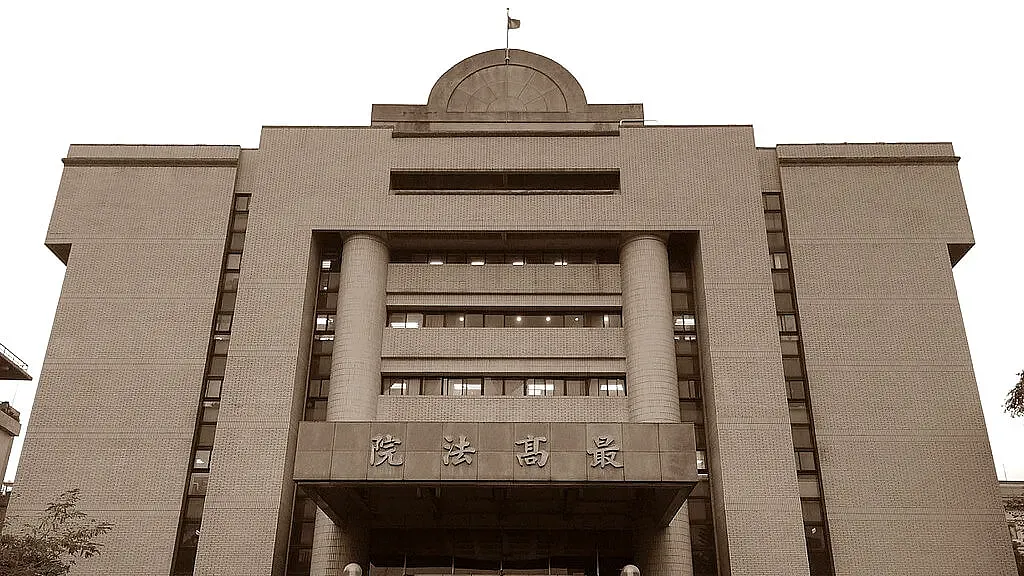
The Constitutional Protection Vacuum Following the Abolition of the Precedent System
To unify the legal interpretations of the Supreme Court, the Judicial Yuan strongly promoted the "Grand Chamber…
2017
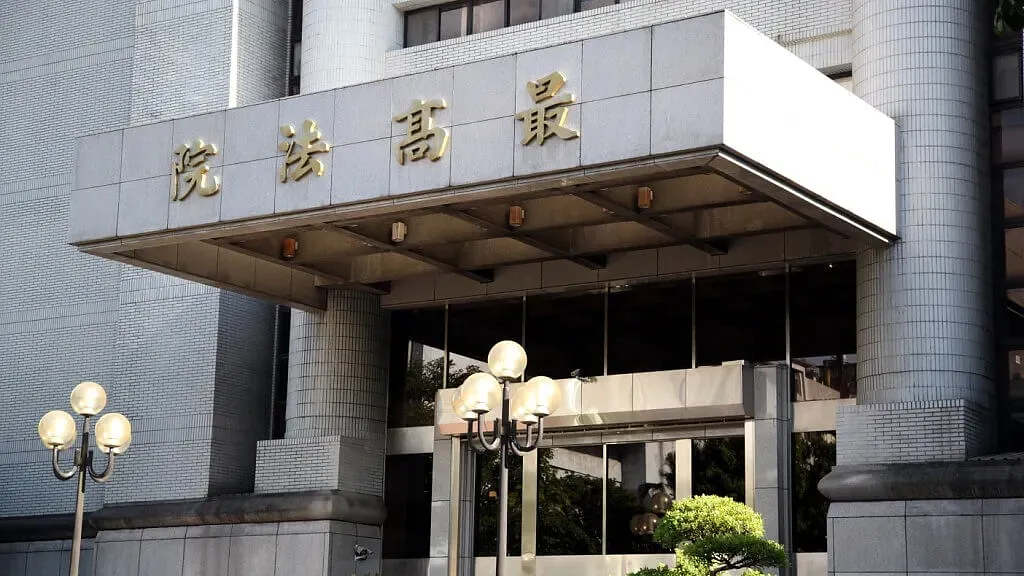
Observations Following the Regularization of Supreme Court Hearings: The Case of Li Hung-chi
After taking office, Judicial Yuan President Hsu Tsung-lu made the "regularization of Supreme Court hearings" the first…
2015
The Supreme Court Must No Longer Be Allowed to Act Unlawfully and Unconstitutionally
Last Friday, the Supreme Court held oral arguments for the second appeal in the Hsieh Yi-han robbery and murder case.…
2015
The "House of Cards" Play Performed at the Supreme Court
Imagine a scene from "House of Cards." President Francis calls the President of the Judicial Yuan (Wait, wasn't he the…
2014
Why Is the Supreme Court Not Respected?
Supreme Court judges possess excellent integrity and profound legal knowledge, typically representing the finest legal…

2014
Grand Justices, Come Out of the Closet Boldly!
On June 6, Judicial Yuan Interpretation No. 721 was handed down. On the surface, it ruled that the 5% political party…

2013
If the Supreme Court Cannot Uniformly Interpret the Law, What Is It Even For?
Why do self-contradictory and divergent judgments from the Supreme Court emerge endlessly, and where does the root of…
2013
Review and Prospects on the First Anniversary of the Petition Campaign to "Reform the Supreme Court"
Initiated by judges from courts at all levels under the banner of "electing the President of the Supreme Court through…
2012
Throat-Slitting Child Murder Case and the Debate on Death Penalty Sentencing
When compared to how a perpetrator takes a human life in a manner that is often so "inexplicable, hasty, and…
2012
Oral Arguments at the Supreme Court Should Merely Be the Starting Point
The significance of court sessions held by the Supreme Court far transcends the justice of individual cases. The…
2012
The Legitimacy of Prosecutors' "June 4 Sit-in"?
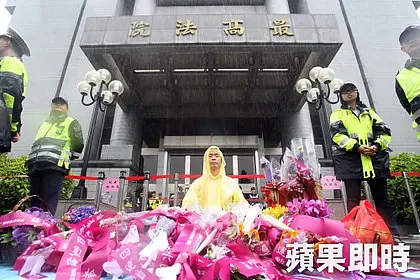
When prosecutors disagree with the legal interpretation of a Supreme Court resolution and actively step forward to…