
Human Rights Conventions
What are Human Rights Covenants?
International human rights covenants are human rights standards formulated by the United Nations, signed by governments worldwide, and committed to observance. Although Taiwan is not a UN member state, it has domesticized and implemented several core human rights covenants through domestic laws since 2009, and regularly undergoes reviews by international experts to evaluate the government's practical effectiveness in protecting people's fundamental rights.
Through participating in civil society's parallel reporting mechanism, JRF presents human rights issues in areas such as criminal justice, the death penalty, torture, and the treatment of persons with disabilities from an independent civil society perspective, while proposing concrete recommendations for improvement to the government.
Key Human Rights Covenants Implemented in Taiwan
International Covenant on Economic, Social and Cultural Rights
Commonly referred to as the "Two Covenants", implemented in 2009. They cover core issues such as personal liberty, fair trial, freedom of expression, the right to life, and the abolition of the death penalty, and are subject to regular international expert review.
and its Optional Protocol
Prohibits subjecting anyone to torture or inhuman treatment. Taiwan has yet to complete the legislative enactment of its implementation act; JRF continues to advocate for its immediate passage and the establishment of a National Preventive Mechanism against torture.
Implemented in 2014. Safeguards the equal participation and independent living rights of persons with disabilities. JRF focuses on the treatment and disposition of persons with psychosocial disabilities in the criminal justice system.
Implemented in 2014. Protects the best interests of children and youths alongside their fundamental rights. JRF advocates and makes recommendations on juvenile justice and child protection issues.
JRF's Work in the Field of Human Rights Covenants
Uniting multiple civil society organizations to submit independent parallel reports to international review committees regarding criminal justice, the death penalty, torture, prisoner treatment, and other issues.
Dispatching representatives to international review sessions for the Two Covenants, CRPD, and others to directly present civil society perspectives to committee experts and address shortcomings in government reports.
Pushing for the prompt legislation of the Implementation Act of the Convention against Torture, demanding a halt to executions, and urging the government to implement concrete recommendations from the covenants' concluding observations.
Cooperating with Amnesty International, UN Special Rapporteurs, and human rights organizations across Asia to jointly promote regional human rights progress and show solidarity with persecuted individuals.
Key Issues We Continuously Monitor
- Abolition of the Death Penalty and Suspension of Executions: The death penalty is the most severe deprivation of the right to life. JRF urges the government to suspend executions and establish a clear timeline for the abolition of the death penalty, rather than using "public opinion" as an excuse for prevarication.
- Ending Torture: On June 26th each year, the International Day in Support of Victims of Torture, JRF unites with human rights organizations to continuously advocate for the passage of the Implementation Act of the Convention against Torture, ensuring that victims obtain effective remedies and perpetrators are held accountable.
- Fair Trial and Personal Liberty: The due process of arrest procedures, the principle of non-publicity of investigations, the protection of the right to counsel, and wrongful conviction rescue are all directly related to the core obligations under Articles 9 and 14 of the ICCPR.
- Persons with Disabilities in Criminal Justice: Persons with psychosocial disabilities often lack adequate protection during investigation, trial, and execution within correctional institutions. JRF monitors the constitutionality and CRPD compliance of the system of custody and medical treatment (monitoring disposition).
- Indigenous Human Rights: Focusing on indigenous cultural identity (single-name registration), the criminal prosecution of traditional hunting rights, and the realization of cultural rights for minority groups under Article 27 of the Two Covenants.
- Trend Toward Penal Extremism: Opposing the Legislative Yuan's populist practice of continuously increasing statutory penalties. Criminal policy should return to an empirical basis to avoid over-criminalization exacerbating the misallocation of judicial resources and the burden on correctional institution populations.
Timeline of International Reviews on the Two Covenants
⚖️ Implementation Act of the Convention against Torture – Still Awaiting Passage
The draft implementation acts for the Convention against Torture (CAT) and its Optional Protocol (OPCAT) were submitted by the Executive Yuan to the Legislative Yuan in 2018 and 2020 respectively, but have yet to complete review. Taiwan is currently one of the few democracies that has implemented multiple international human rights covenants yet has not implemented CAT. JRF continues to unite with civil society human rights organizations to demand that the Legislative Yuan pass the legislation swiftly and establish a National Preventive Mechanism (NPM).
Learn More, and Advance Human Rights Together
Read JRF's parallel reports, press releases, and commentary articles to understand how we promote judicial human rights reform through covenant mechanisms.
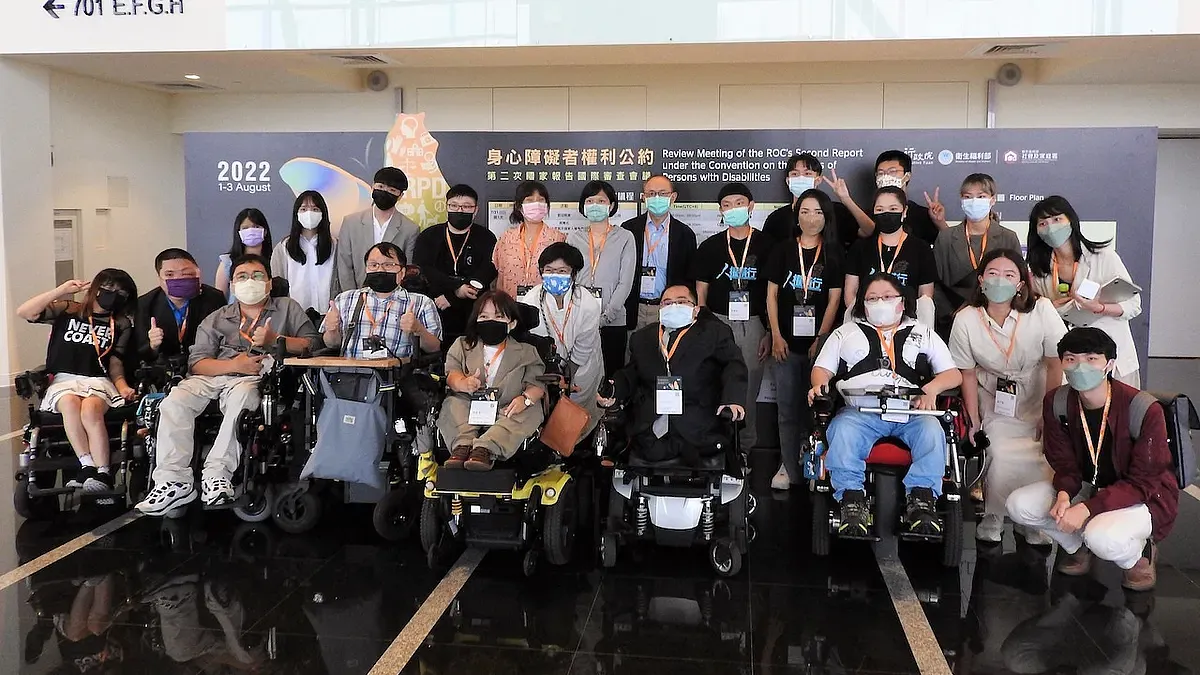
2022
Joint Statement|2022 CRPD International Review Conference
The social model and human rights model advocated by the CRPD should bring about a paradigm shift, moving away from the…
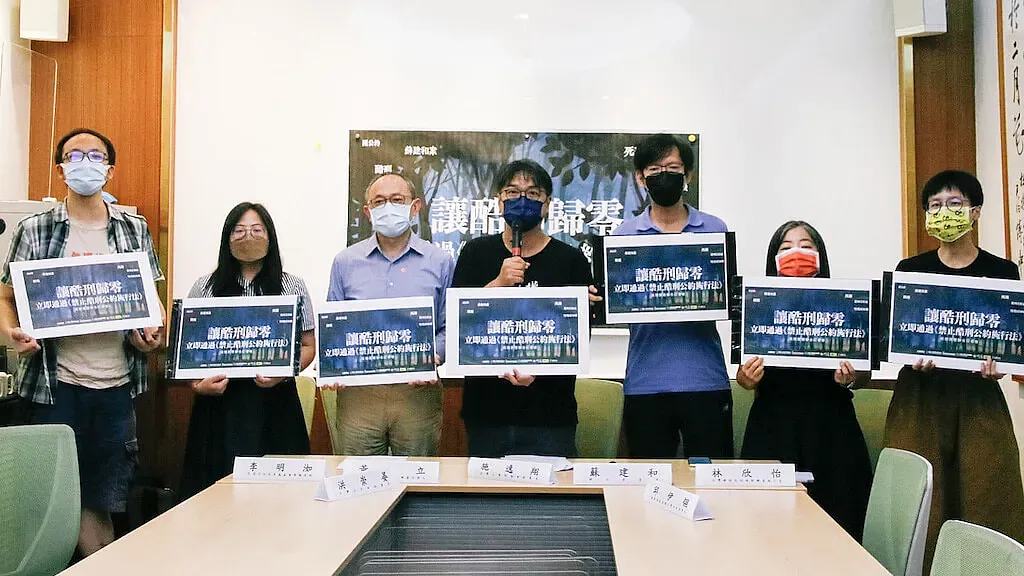
2022
Joint Press Conference | Zero Torture: Enact the Enforcement Act of the Convention Against Torture Immediately
This Sunday, June 26, is the UN International Day in Support of Victims of Torture, marking the entry into force in…
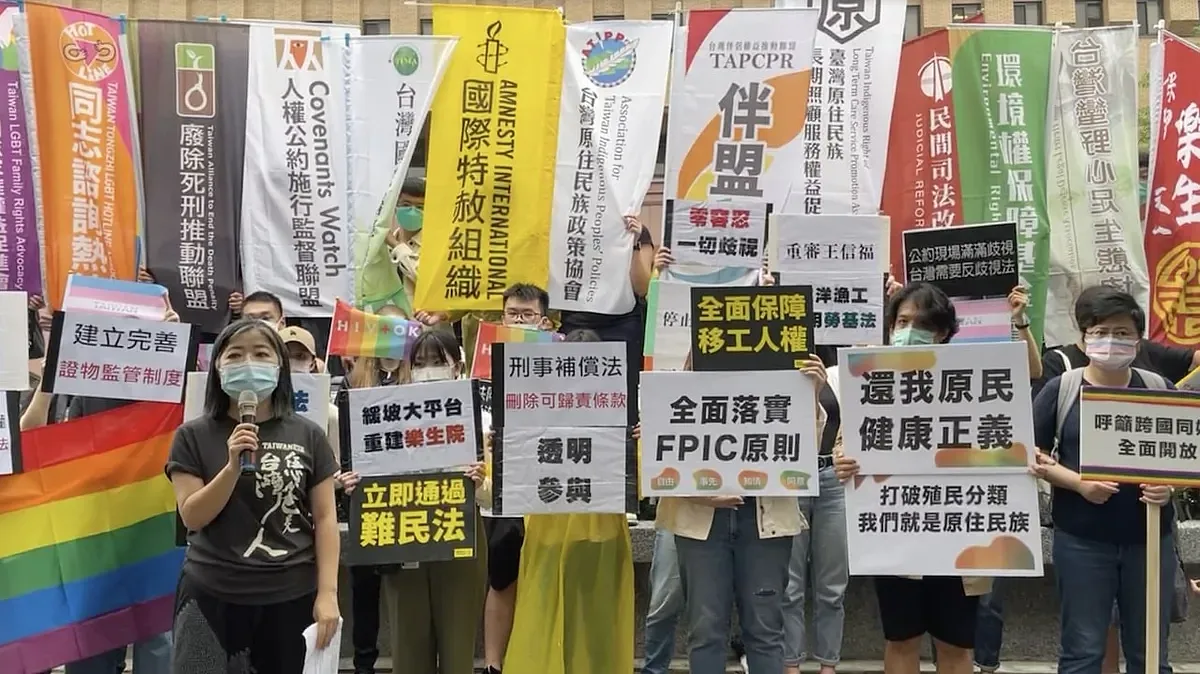
2022
NGO Response to Judicial and Death Penalty Issues at the Press Conference on the Third International Review of the Covenants
Since 2013, the Taiwanese government has invited international experts to Taiwan to conduct international reviews of…
2022
Statement | Firm but Pragmatic Opposition and CRPD-Based Oversight of the Custodial-Protection Amendments
On January 27, the Legislative Yuan, meeting in an extraordinary session, passed on third reading amendments to the…
2021
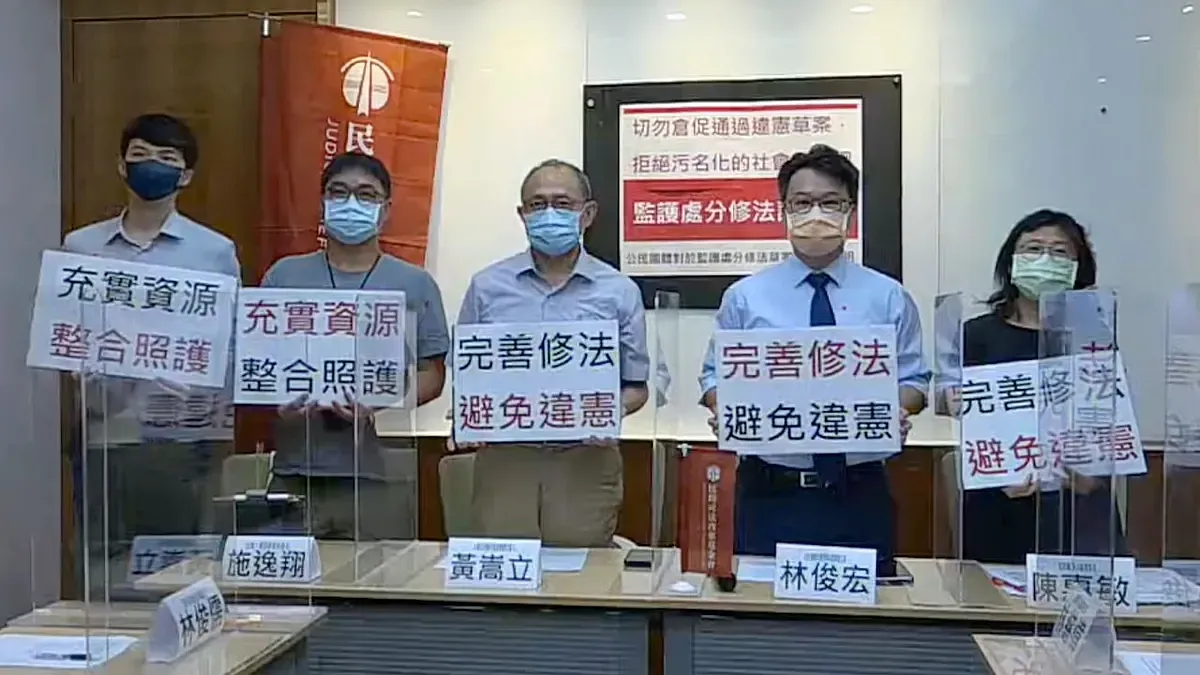
Press Release | Do Not Rush Through Constitutionally Problematic Drafts: Reject a Stigmatizing Social Safety Net-Civil Society Statement on Custodial-Disposition Reform
Civil society organizations urge the legislature not to rush amendments that would expand custodial dispositions and…

2021
Press Advisory | Do Not Rush Through Constitutionally Problematic Drafts: Reject a Stigmatizing Social Safety Net-Press Conference on Custodial-Disposition Reform
Draft amendments concerning custodial dispositions for persons with mental disorders would remove the existing…
2021
Civil Society Continues to Call for a Separate National Human Rights Commission Powers Exercise Act
Covenants Watch and other civil society organizations argue that Taiwan's National Human Rights Commission should have…
2021
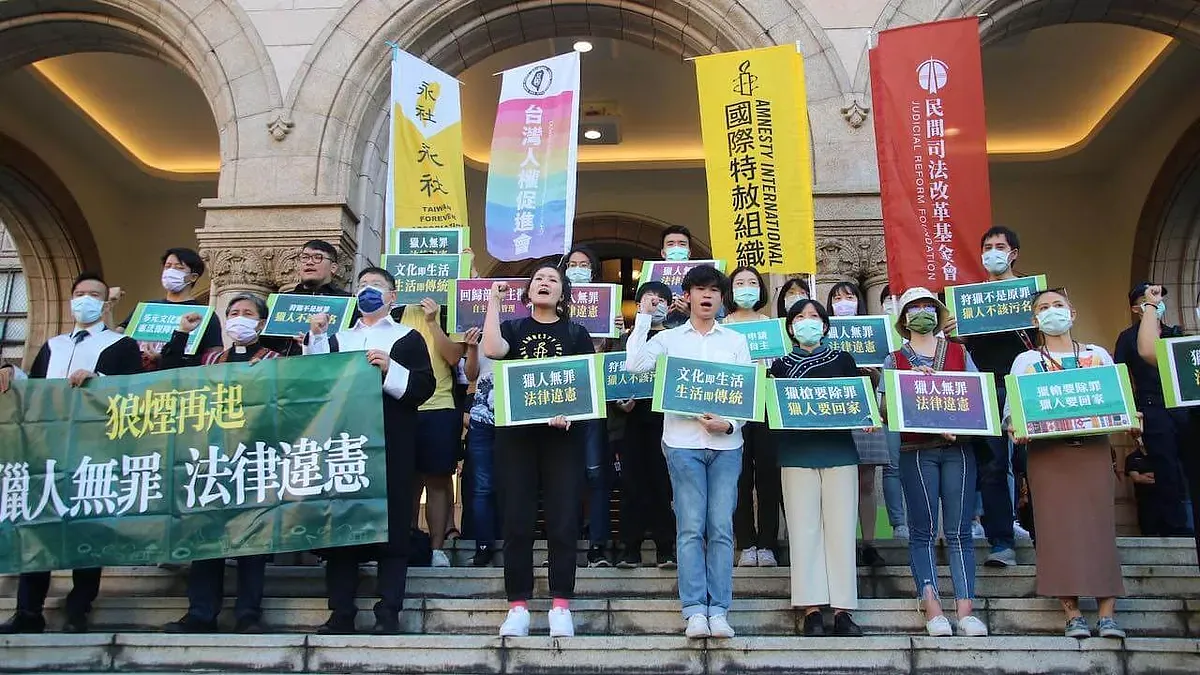
Press Conference on the Constitutional Interpretation in the Indigenous Hunting Rights Cases of Wang Kuang-Lu, Pan Chih-Chiang, and Others
After Judicial Yuan Interpretation No. 803, Indigenous petitioners, attorneys, and civil-society groups welcomed the…

2020
Recommendations for Talent Selection in the Nomination of the 6th Control Yuan Members
According to Presidential Office Official Document Hua-Tsung-Yi-Chih No. 10910010730 dated February 18, 2020, the…

2019
Irrational Drunk Driving Demands Rational Legislation! Joint Statement by Civil Society Organizations on Severe Penalties for Drunk Driving
In both legal theory and statutory law, the elements of a crime have rigorous examination frameworks. Whether drunk…

2019
Teachers Out of Control, Administrative Negligence, and Judiciary, Step It Up! The Child Abuse Case at Yuh-Hsin Kindergarten Is Not an Isolated Incident
On January 17 (Thursday), the Legal Aid Foundation, the Association for Autonomy in Education, and the Judicial Reform…

2018
JRF Joins and Signs the Asian Innocence Declaration (2018.08.25)
We are nongovernmental organizations and activists in Asia who are concerned about wrongful convictions in criminal…