
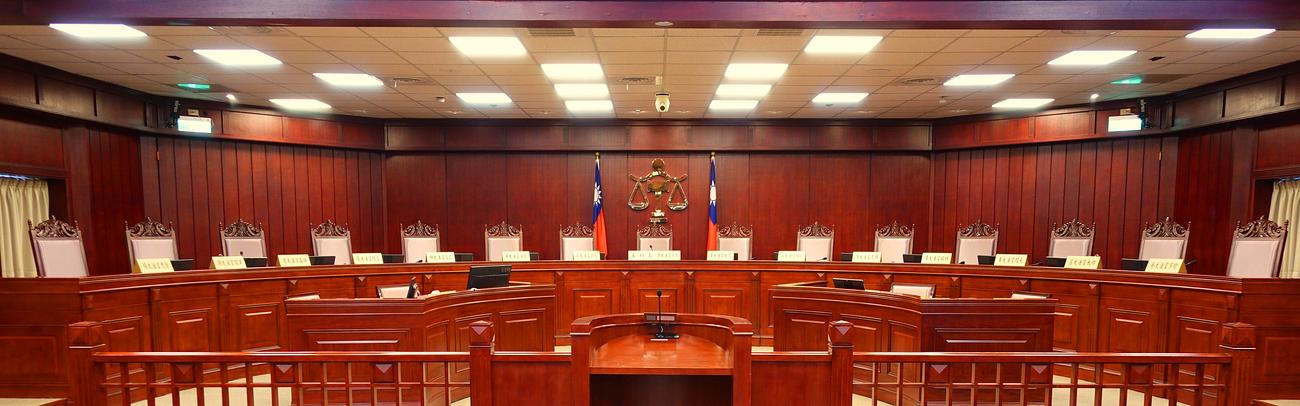
Constitutional Litigation Reform
If your case involves a legal issue of major public interest and you have exhausted all available judicial remedies without success, you may ask JRF's constitutional litigation team to assess whether the relevant laws, regulations, or court decisions may be unconstitutional. For details, please see the "Constitutional Litigation / Constitutional Interpretation" page.
From the "Council of Grand Justices" to the "Constitutional Court"
Before 2022, constitutional litigation in Taiwan took the form of interpretations issued by the Council of Grand Justices. In principle, only abstract legal norms—such as statutes, administrative regulations, and judicial precedents—could be reviewed, so individuals could not bring constitutional challenges against court judgments in their own cases that they believed to be unconstitutional. JRF long advocated introducing Germany's system of constitutional review of court judgments, a reform that was ultimately adopted under the current system.
Since the new constitutional litigation system took effect, the transparency and openness of the review process have improved significantly. For every case the Constitutional Court accepts, the full petition and the legal opinions of the relevant agencies and institutions are made public. The drawback, however, is that petitions are not published for the overwhelming majority of cases, which are not accepted for review. And because the Constitutional Court has limited staff, its rulings declining to hear a case almost never give specific reasons. As a result, the standards the Court uses to decide whether to accept a case remain murky to outside observers.
To address this problem, JRF wrote to the Judicial Yuan in 2021, recommending that petitions in cases not accepted for review also be made public. This would let the public see whether the Grand Justices declined a case because the petition's arguments were not clear enough (as in the boilerplate phrase found in almost every such ruling: "failed to specifically state the reasons"), or whether the petition was already thoroughly reasoned and the Grand Justices simply concluded after deliberation that there was no need to hear it. The Judicial Yuan responded that Article 18 of the Constitutional Court Procedure Act specifies the circumstances in which documents are to be made public, and that these do not include cases not accepted for review; there is therefore no legal basis for publishing them.
We believe that publishing the petitions in cases not accepted for review would help future petitioners assess their chances of obtaining relief through constitutional litigation and would clarify the Constitutional Court's standards for accepting cases, without adding to the Grand Justices' workload. JRF will therefore continue to push for, and study, legislative amendments to bring about this change.
So that the Constitution can truly protect the fundamental rights of everyone in Taiwan, JRF will continue to propose recommendations, from the perspective of ordinary people, for reforming and improving the constitutional litigation system.
Since 2025: The Constitutional Court in Crisis
An amendment to the Constitutional Court Procedure Act, passed jointly by the opposition parties, took effect on January 25, 2025. The amended law requires at least 10 Grand Justices to take part in deliberations on the merits. However, the terms of 7 Grand Justices expired on October 31, 2024, and the Legislative Yuan has yet to confirm their successors. As a result, the Constitutional Court has been unable to issue rulings on the merits under the amended Act and had been paralyzed for nearly a year at the time of writing. After the Legislative Yuan rejected the entire slate of Grand Justice nominees for the second time on July 25, 2025, the deadlock remained unresolved.
The Constitutional Court's continued inability to rule on the merits has eroded the public's right to petition for constitutional review of laws that may be unconstitutional, with more than 400 cases stalled before the Court. The Civil Alliance for Monitoring Grand Justice Nominations has brought civil society groups together to repeatedly urge the Constitutional Court to accept the case challenging the constitutionality of the amendment to the Constitutional Court Procedure Act. The Alliance has also called on the President to "make the vetting and nomination process more transparent and participatory in order to win broader public support," and on the Legislative Yuan to "review nominees rationally and not sacrifice the Grand Justices to partisan battles." It has further reiterated that, in the vetting and nomination process, the Presidential Office should expand the vetting panel to include more diverse representatives and explain its reasons for each nomination more proactively and in greater detail in order to win broader public support. At the same time, every party caucus in the Legislative Yuan should allow its legislators a free vote and carefully examine each nominee's integrity, commitment to constitutionalism and human rights, and legal knowledge and expertise. The Legislative Yuan must not repeat past mistakes and allow the people's constitutional rights to remain hostage to party interests.
2025
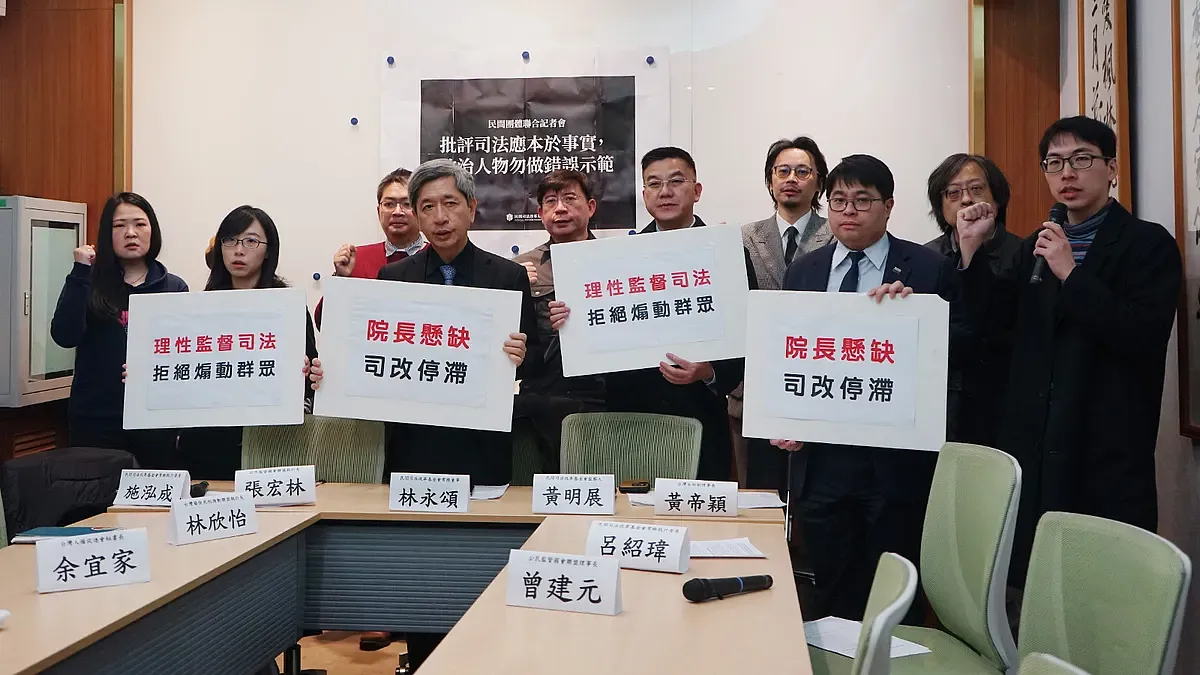
Statement|Criticism of the Judiciary Must Be Based on Facts; Politicians Must Not Set a Bad Example|Joint Press Conference of Civil Society Organizations
We strongly condemn the minority of politicians and political parties that, for their own political agendas,…
2024
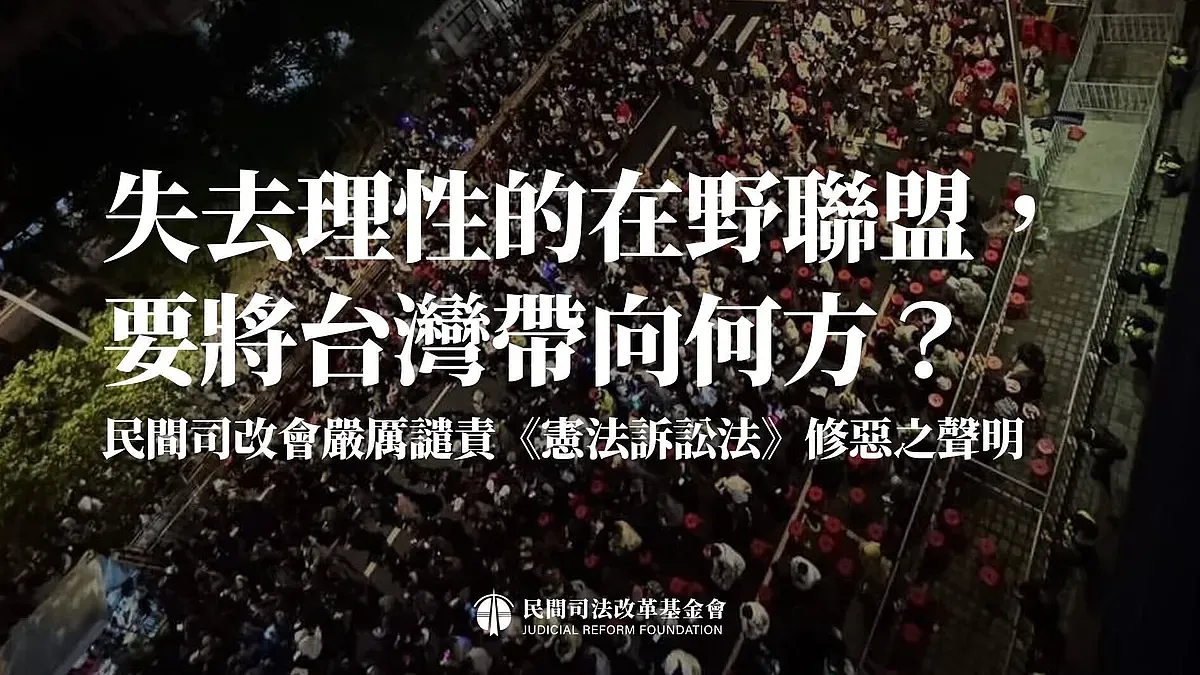
Statement | "Where is the Opposition Alliance, Having Lost Its Reason, Leading Taiwan?" JRF's Stern Condemnation of the Malicious Amendments to the Constitutional Court Procedure Act
The Judicial Reform Foundation issued a stern statement condemning the opposition alliance for railroading amendments…
2024
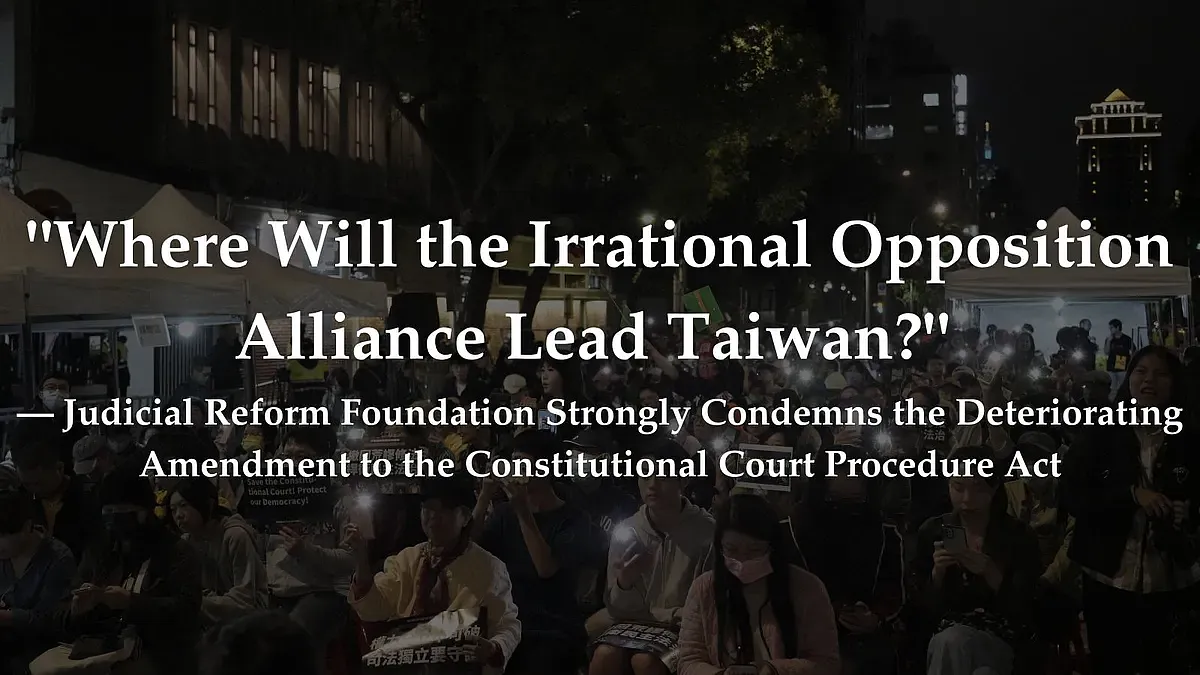
"Where Will the Irrational Opposition Alliance Lead Taiwan?" — Judicial Reform Foundation Strongly Condemns the Deteriorating Amendment to the Constitutional Court Procedure Act
Yesterday (20th), after the opposition alliance formed by the Chinese Nationalist Party ("KMT") and the Taiwan People's…
2024
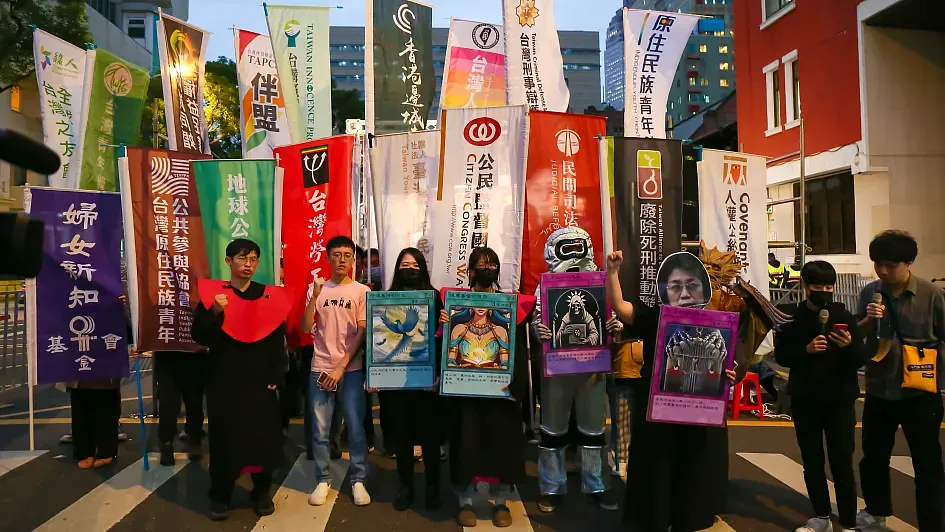
Short Speeches Quotations | Nov 22 Citizens' Rally to Guard the Constitution

2024
Sidelights|Grand Justices Serving the DPP? Are You Sure?
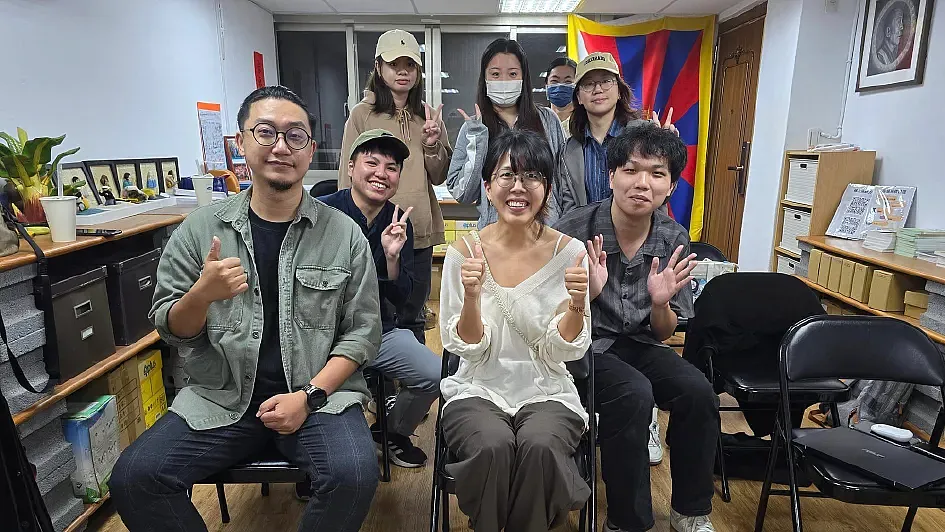
Moderator and Researcher Lin Cheng-ching first briefly reviewed the controversy surrounding the draft amendments to the…
2024
Sidelights | Are Grand Justices Detached from Reality? How Are Constitutional Litigation and Human Rights Protection Possible?
In the public imagination, the Constitution often seems very far removed from our daily lives, and "Grand Justices"…
2024
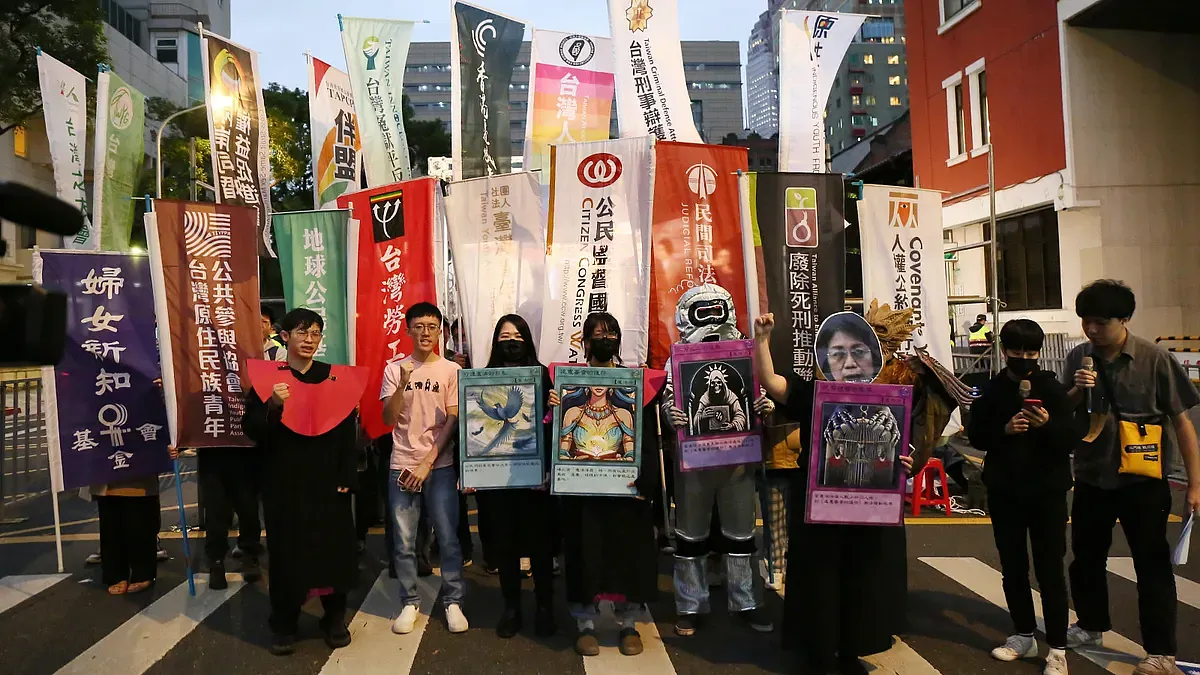
Press Release | "November 22 Citizens' Guarding the Constitution Evening Rally" Press Conference
Since the Chinese Nationalist Party (KMT) initiated this wave of legislative amendments in mid-October, we have…
2024
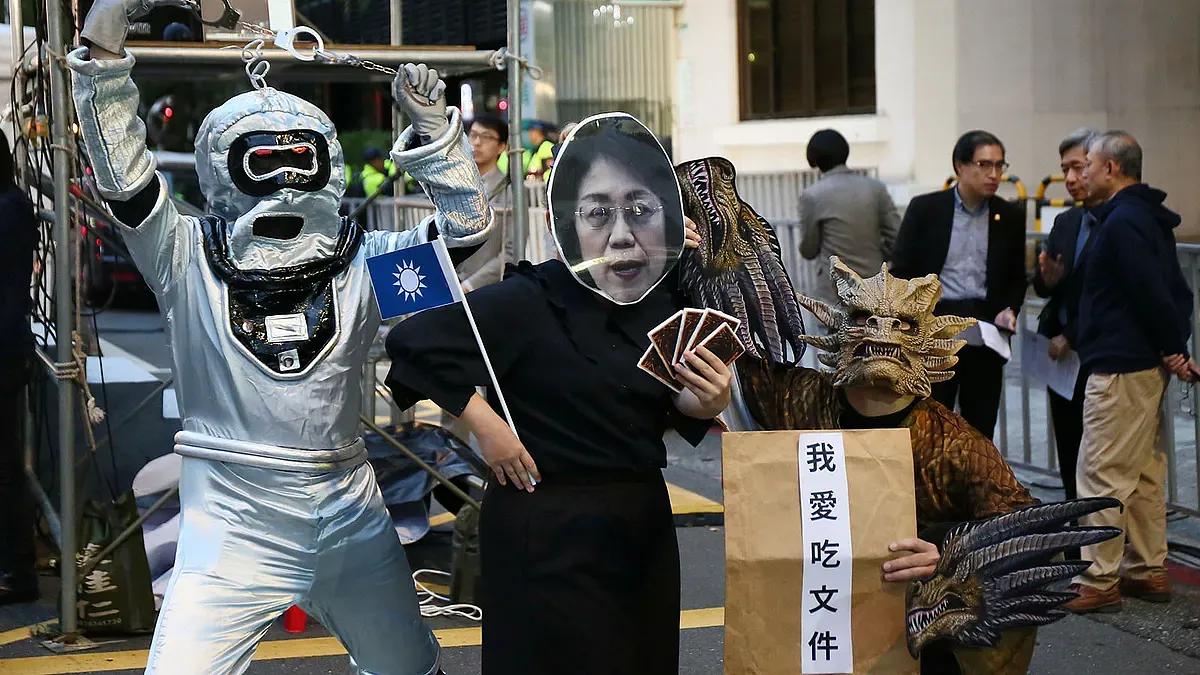
“11/22 Assembly Against Anti-Reform: Save the Constitutional Court! Protect our Democracy!” Opening press conference press release
Today, the Legislative Yuan has not scheduled a review of the proposed amendment to the Constitutional Court Procedure…
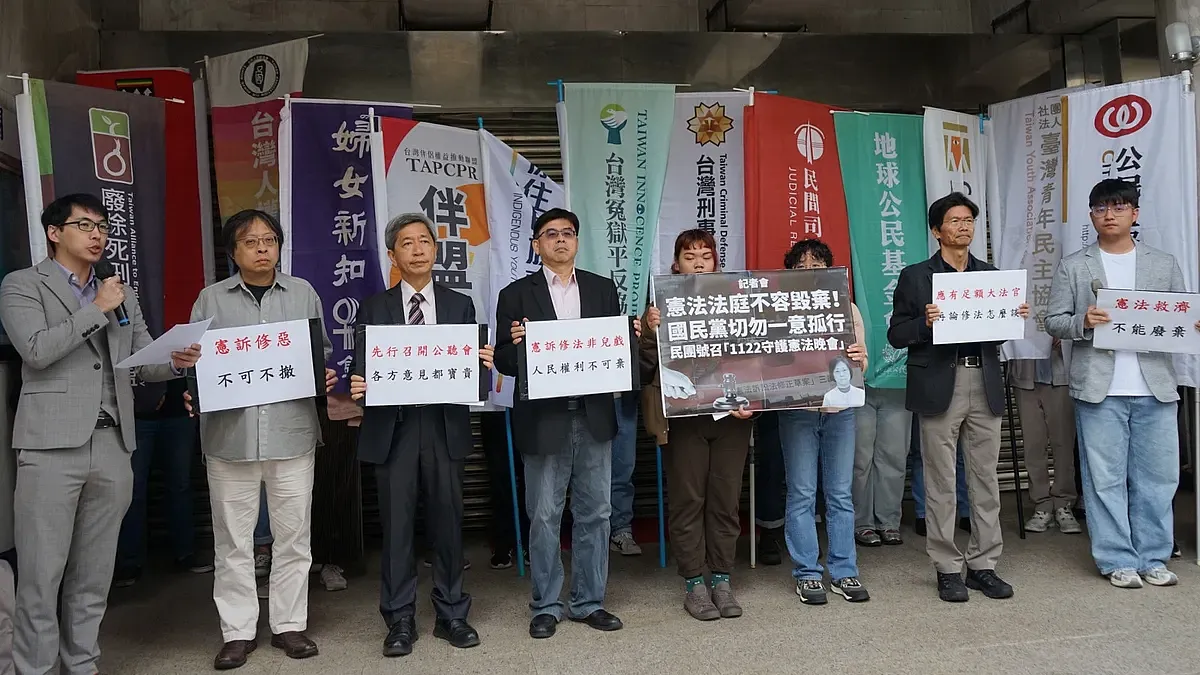
2024
Press Conference|The Constitutional Court Must Not Be Dismantled I 11/22 Assembly Against Anti-Reform: Save the Constitutional Court! Protect our Democracy!
On Thursday, November 14, the amendment draft for the “Constitutional Court Procedure Act”(《憲法訴訟法》修正草案) began…
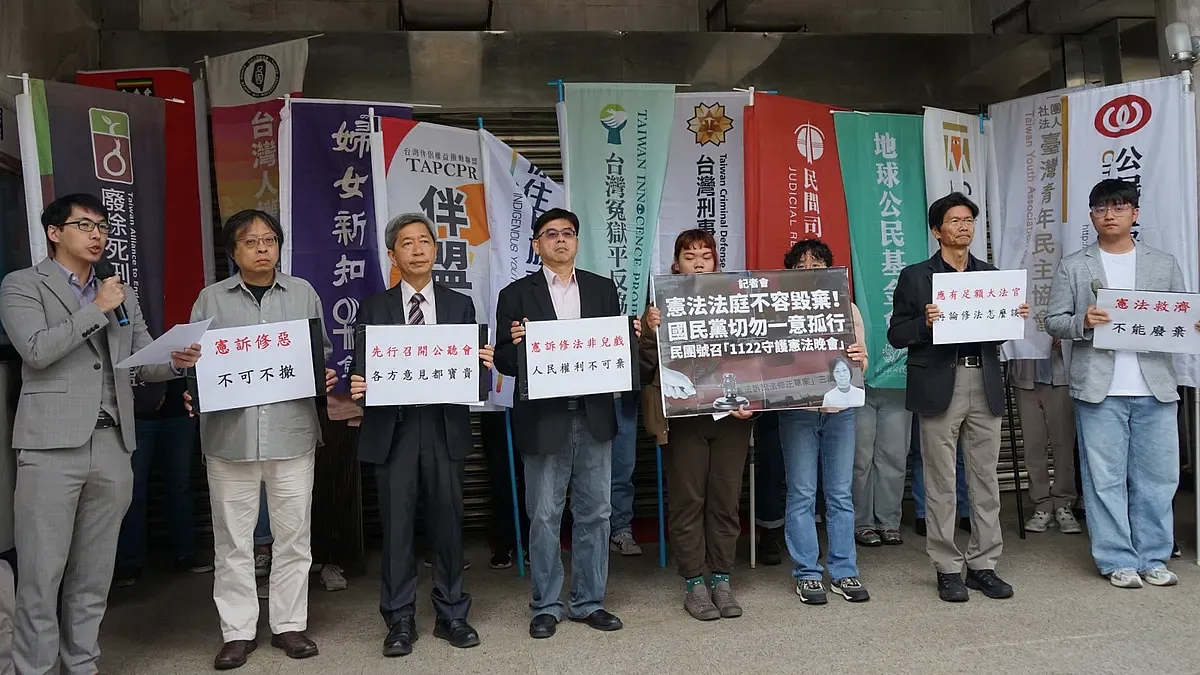
2024
Press Conference | The Constitutional Court Must Not Be Destroyed; The KMT Must Not Act Arbitrarily! Civil Society Groups Call for the "November 22 Guarding the Constitution Evening Rally"
Last Thursday (November 14) afternoon, the draft amendments to the Constitutional Court Procedure Act entered party…
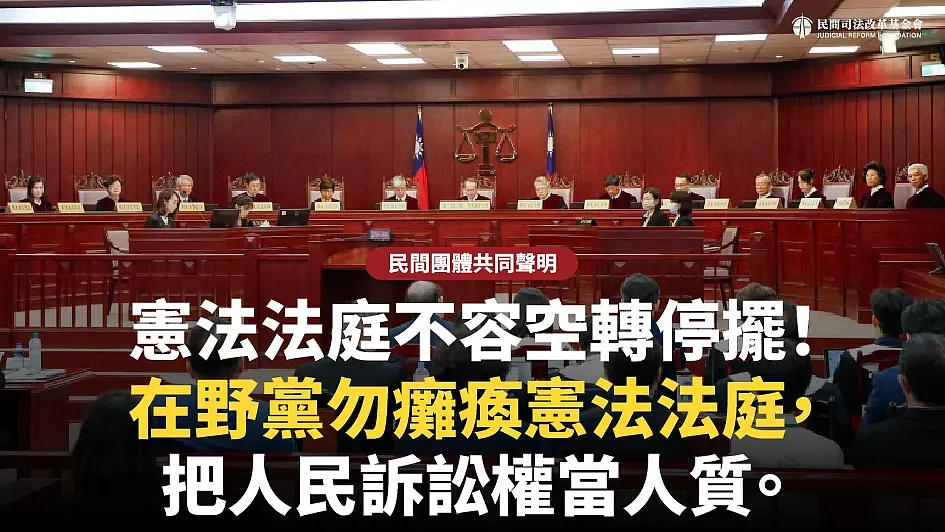
2024
Joint Statement by Civil Organizations|The Constitutional Court Must Not Be Paralyzed! Opposition Parties Should Not Hold the People's Right to Litigation Hostage
Today (October 18), the Legislative Yuan moved KMT Legislator Hsiao-Ling Weng’s proposed amendments to the…
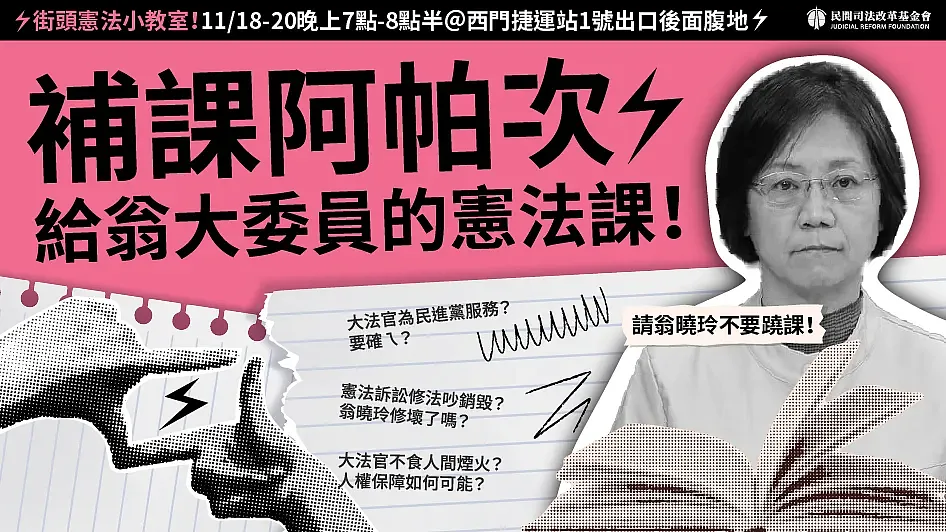
2024
Street Constitutional Classroom | Catch-Up Class, APACHE! A Constitutional Lesson for Legislator Weng!
What is the draft amendment to the Constitutional Court Procedure Act actually about? Why has the Judicial Reform…