
Judge System Reform
Correct judgments and high-quality proceedings are the foundation of public trust in the judiciary.
Judges represent the State and exercise judicial power independently. Their decisions profoundly affect the people who come before the courts, and their position carries great prestige and heavy responsibility. Yet both statistics and long-standing sayings—such as "the rich get life, the poor get death" and "a heavy sentence at first instance, a lighter one on appeal, and pork-knuckle noodles to celebrate release at the third"—reflect Taiwanese society's deep and enduring distrust of the judiciary.
Article 80 of the Constitution provides that judges shall adjudicate independently in accordance with the law, free from any interference, guaranteeing judges an independent and impartial position. The purpose is to prevent judges from becoming tools of particular groups or individuals pursuing their own interests, so that those who take part in court proceedings can trust the courts and accept their judgments.
During the authoritarian era, when party and state were one, the political authorities frequently interfered directly in the outcome of trials through judicial administration. After martial law was lifted, judicial independence naturally became a central goal of judicial reform. Today, judicial independence has been firmly established to a considerable degree, yet the public still does not trust the judiciary.
Now that political interference in trials has declined substantially, judges are instead accused of hiding behind "judicial independence" and abusing their discretion in evaluating evidence to decide cases carelessly. This has led to wrongful convictions and to judgments far removed from ordinary life experience, leaving the public even more distrustful of the judiciary.
For this reason, in addition to developing a variety of ways to monitor the courts, the Judicial Reform Foundation (JRF) has for many years actively pushed for the enactment and amendment of the Judges Act. We call for more diverse pathways into the judiciary so that judges handle cases with greater care and insight, and for an effective system of oversight and checks and balances that rewards outstanding judges and removes those who are unfit.
After all, both judicial independence and mechanisms for overseeing judges are only means to an end. The ultimate goal is to ensure fair and high-quality trials and to build a judicial system worthy of public trust.
Advocating for the Judges Act and the Evaluation System for Judges and Prosecutors
Although judges are public officials, they exercise judicial power independently, which sets them apart from ordinary civil servants, who work within a hierarchy of command. It is therefore necessary to design a separate set of rules for judges that safeguards their independence in adjudication while also establishing an effective mechanism for oversight and removal.
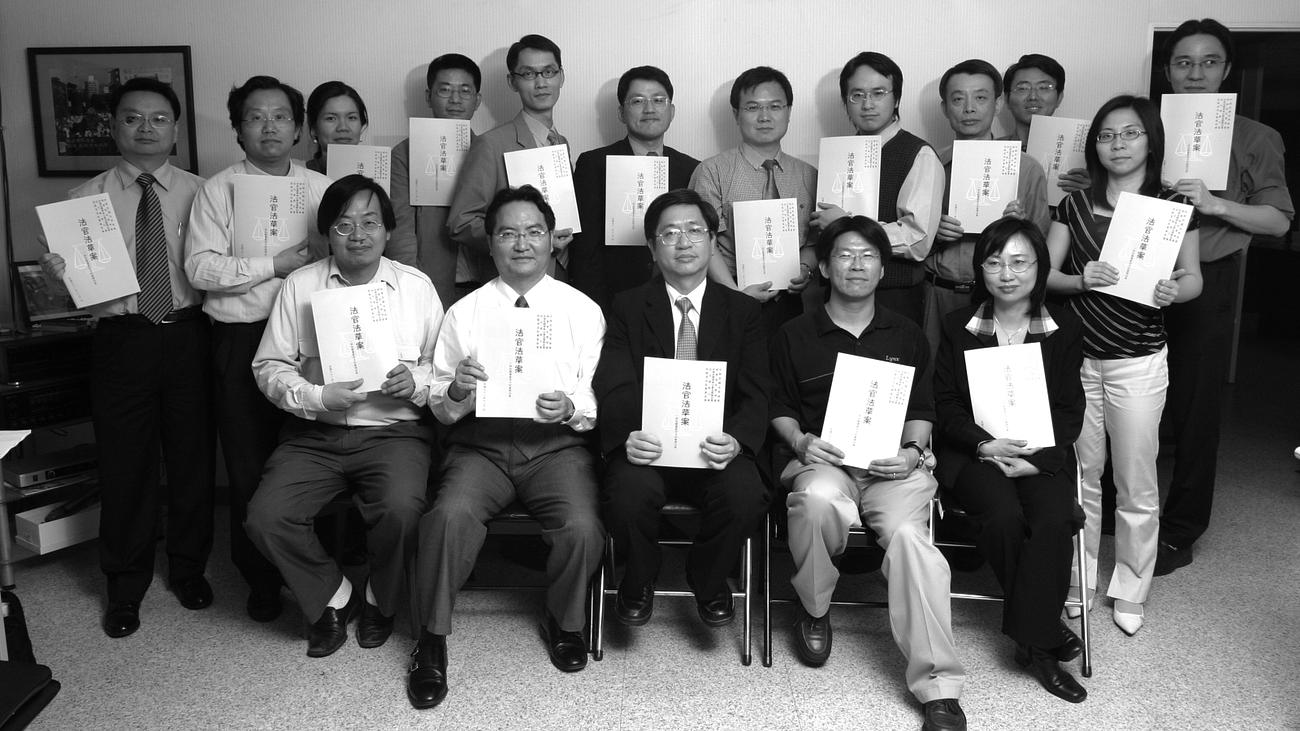
To this end, in 1998 JRF, the Taiwan Law Society, and the Taipei Bar Association jointly completed a civil society draft of the Judges Act. It called for more diverse sources of judges, better working conditions for judges, and an institutionalized system of general evaluation, offering concrete answers to the three core questions the Judges Act must address: "Where do good judges come from?", "How should judges' work be protected?", and "How can unfit judges be removed?"
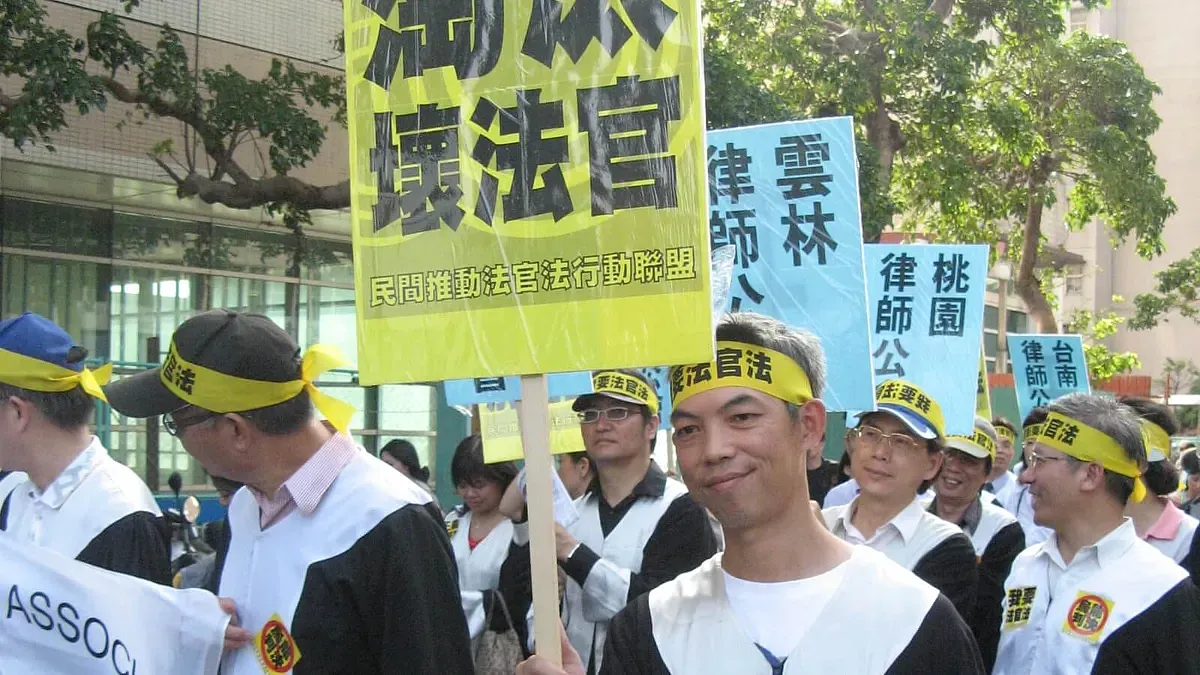
The legislative effort, however, faced enormous obstacles. Neither the civil society draft, the government draft, nor a compromise version negotiated between the two could win the consensus of both major parties. In 2005, as the media exposed one judicial misconduct scandal after another, public calls for the removal of corrupt judges and prosecutors grew louder, and the push for the Judges Act was revived. Yet hopes for its passage were dashed once again when the Kuomintang (KMT) and the Non-Partisan Solidarity Union refused to sign on to the negotiated version.
In 2010, a series of bribery scandals involving groups of judges and prosecutors shocked Taiwanese society. That same year, in the Jiaxian child sexual assault case, the court found that the act had "not been against the victim's will," sparking the White Rose Movement and a petition calling for the judges to step down. Riding this wave of public anger, the draft Judges Act, which had languished in the Legislative Yuan for more than a decade, finally passed its third reading on June 14, 2011. The following year, the Code of Judicial Conduct and the Regulations on Judicial Self-Discipline for Judges at All Levels of Courts were adopted, marking an important milestone in judicial reform. During the eight years from 2012 to 2020 (under the old system), the Judges Evaluation Commission handled a total of 63 cases, of which 28 were upheld and referred to the Control Yuan for review or to the Judicial Yuan's Personnel Review Committee for deliberation.
To hold unfit judges to account, during the old system we also helped members of the public file evaluation requests in specific cases through our complaint center. We received a total of 1,527 complaints from the public and, after review, filed 46 requests with the Judges Evaluation Commission. Of the 28 cases that were upheld, 14—or 50%—had been filed by us. The complaints we received are summarized below:
| Year | Complaints about Judges Received | Requests Filed with the Commission | Filing Rate |
| 2012 | 116 | 2 | 1.7% |
| 2013 | 100 | 8 | 8.0% |
| 2014 | 112 | 10 | 8.9% |
| 2015 | 94 | 14 | 14.9% |
| 2016 | 104 | 3 | 2.9% |
| 2017 | 102 | 4 | 3.9% |
| 2018 | 96 | 3 | 3.1% |
| 2019 | 75 | 2 | 2.7% |
| 2020 | 14 | 0 | 0% |
| Total | 813 | 46 | 5.1% |
Overall, the Judges Evaluation Commission proved ineffective, exposing the following problems:
- Members of the public were not allowed to file complaints against problematic judges directly, so case-specific evaluation could not serve its purpose.
- The tribunal that hears judicial disciplinary cases was composed entirely of career judges, so judges still ended up protecting their own.
- Comprehensive evaluations amounted to closed-door assessments by the Judicial Yuan itself, held only once every three years, with results kept confidential.
- The evaluation commissions remained under the Judicial Yuan and the Ministry of Justice, lacking objectivity and neutrality and unable to carry out effective evaluations.
The Second Major Amendment to the Judges Act
Nine years later, the Judges Act was substantially amended. A key reform allowed parties to request evaluations directly; at the same time, however, the amendment removed civil society organizations' standing to request evaluations and abolished the comprehensive evaluation system.
Yet as of the end of 2023, "only one" evaluation request filed by a member of the public had been upheld. In response to the problems that emerged under the new system, in December 2022 we put forward seven recommendations to make the amended evaluation system more effective (see our first-year observation report and second-year observation report).
In addition, after the major misconduct scandal involving Shih Mu-chin broke in 2020, JRF proposed a draft amendment to the Judges Act on supervisory oversight. It sets out the standards that court presidents and chief prosecutors must meet to serve as role models for all judges and prosecutors, and adds provisions allowing the Judicial Yuan and the Ministry of Justice to remove court presidents and chief prosecutors who are "unfit," with the grounds for unfitness expressly including violations of the Code of Judicial Conduct. In 2023, when the #MeToo movement brought to light sexual harassment allegations against Disciplinary Court President Li Po-tao, we again issued a statement condemning the Judicial Yuan's mishandling of the case and reiterated that the problem of supervisory oversight must be addressed.
Abolishing the Judicial Immunity Clause in the State Compensation Act
Taiwan's State Compensation Act currently follows the theory of vicarious state liability, which assesses liability on the basis of the individual public official's conduct, and Article 13 sharply limits the circumstances in which judges and prosecutors can give rise to liability. As a result, it is very difficult for victims to obtain state compensation for wrongs committed by judicial authorities.
In 2023, we proposed a civil society draft amendment that would adopt the theory of direct state liability, delete the special privilege in Article 13, and subject courts and prosecutors' offices to the general standard of state compensation liability. We also stressed that the grounds for state liability arising from the conduct of judges and prosecutors should draw on the relevant provisions of the Judges Act. Examples include a judge who, in violation of procedural rules, lets the parties agree to suspend proceedings without explaining the legal consequences, so that the suit is deemed withdrawn and the parties' rights are harmed; or a prosecutor who files an indictment or requests a summary judgment without ever summoning the parties, a serious procedural failure that harms the defendant's rights.
The Ultimate Goal of Reforming the Judiciary: Real Judicial Accountability
In 1999, the International Association of Judges held its annual meeting in Taiwan and adopted the Universal Charter of the Judge, setting international standards for judicial independence; the Charter was substantially revised and expanded in 2017. In 2023, JRF translated Judicial Accountability: Practitioners Guide No. 13, published by the International Commission of Jurists in 2016. By drawing on the international standards in this Guide and the Universal Charter of the Judge, we hope to highlight the unfinished business of Taiwan's judicial system and invite reflection on how Taiwan can achieve genuine judicial accountability while safeguarding judicial independence. Only then can Taiwan build a judicial system that earns the people's trust.
2015
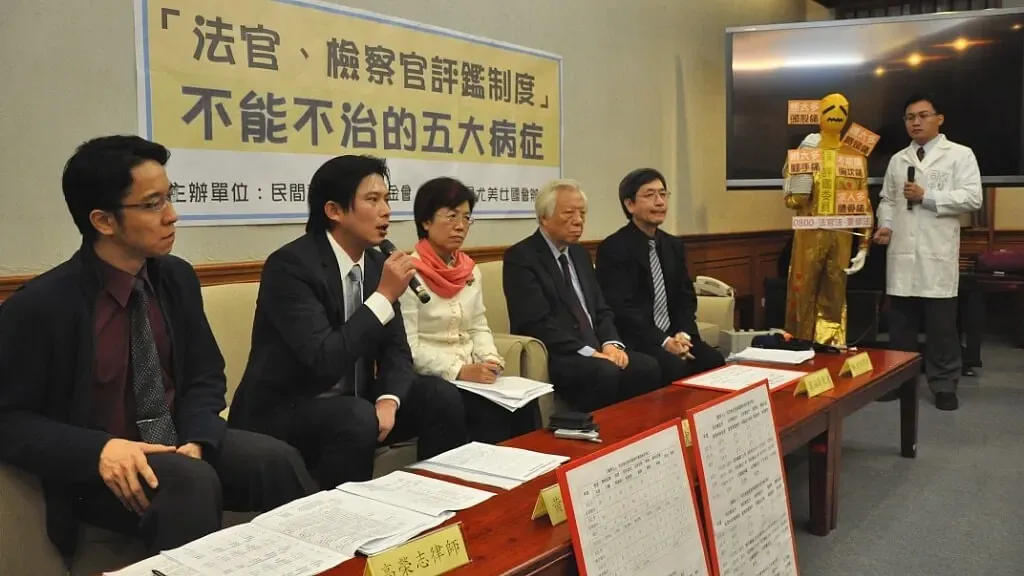
Reforming the Judges Evaluation System brooks no delay
In July of last year, the JRF filed a request with the Judges Evaluation Commission (JEC) to evaluate Judge Tseng…
2014
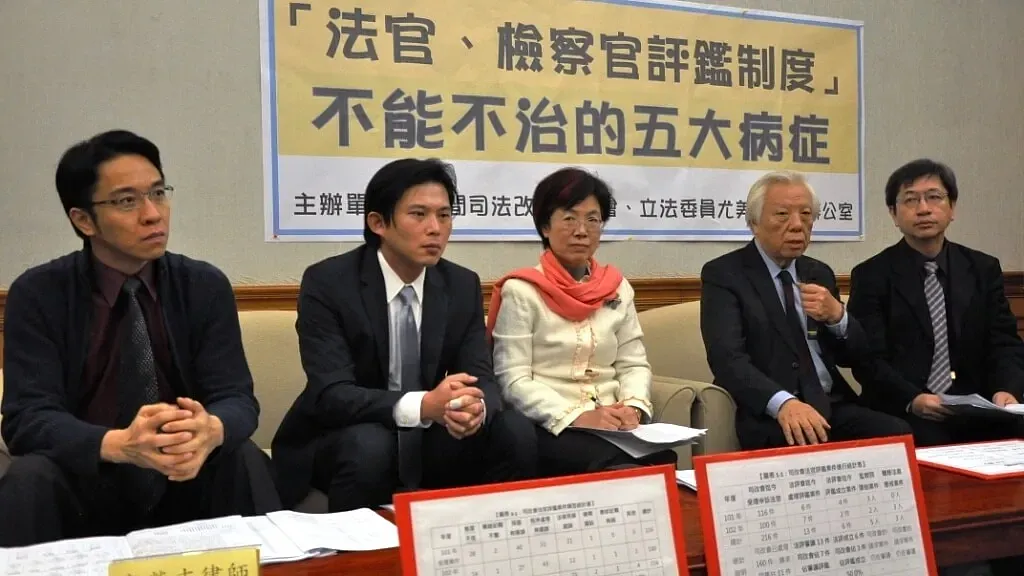
Why Are Judges and Prosecutors So Arrogant?
The evaluation system for judges and prosecutors has been in place for nearly three years, but the accountability and…
2014
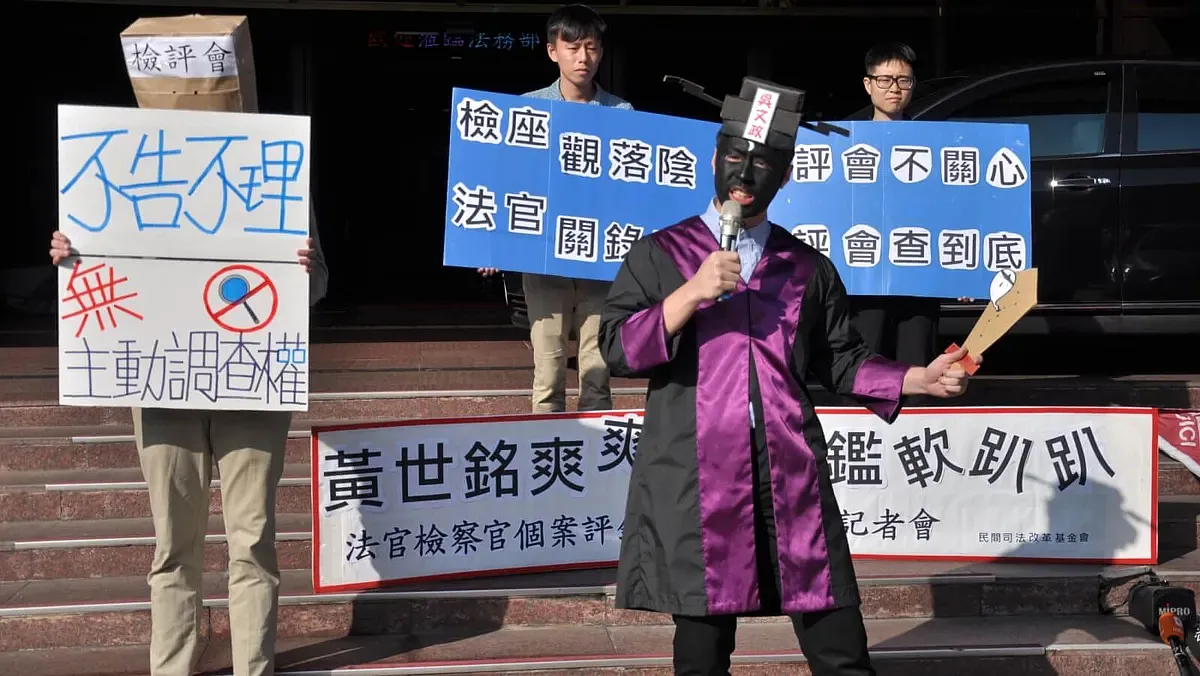
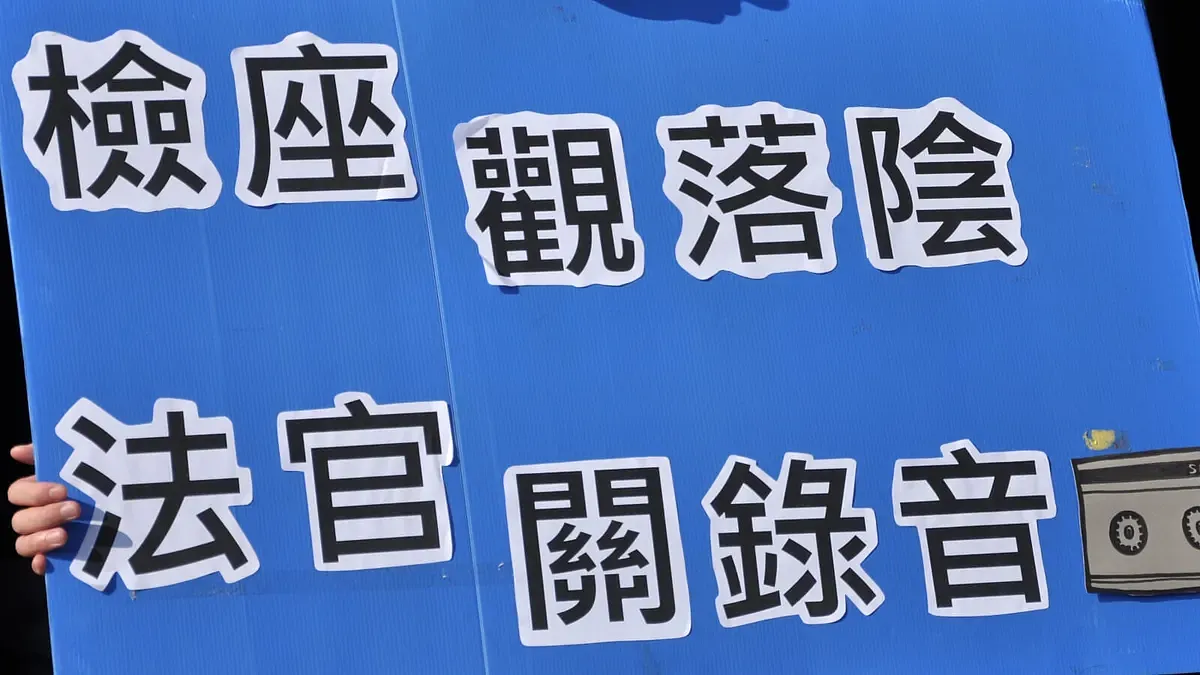
What to Do When Prosecutors Violate Non-Disclosure of Investigation? A Guide to the Judges Act Regarding Non-Disclosure of Investigation
Article 245, Paragraph 1 of the Code of Criminal Procedure stipulates: "Inquiries and investigations shall not be made…
2014
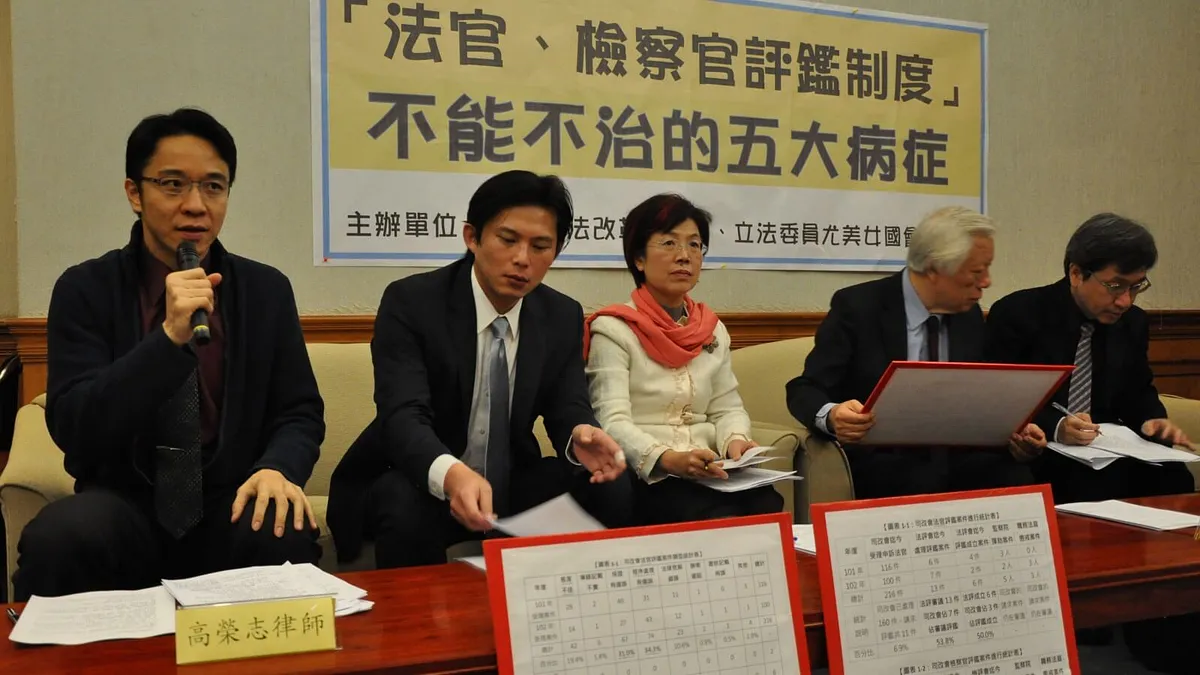
How to Obtain Evidence for Reporting: A Judges Act Manual on File Review
The individual case evaluation mechanism under the Judges Act aimed at removing unfit judges and prosecutors officially…
2014
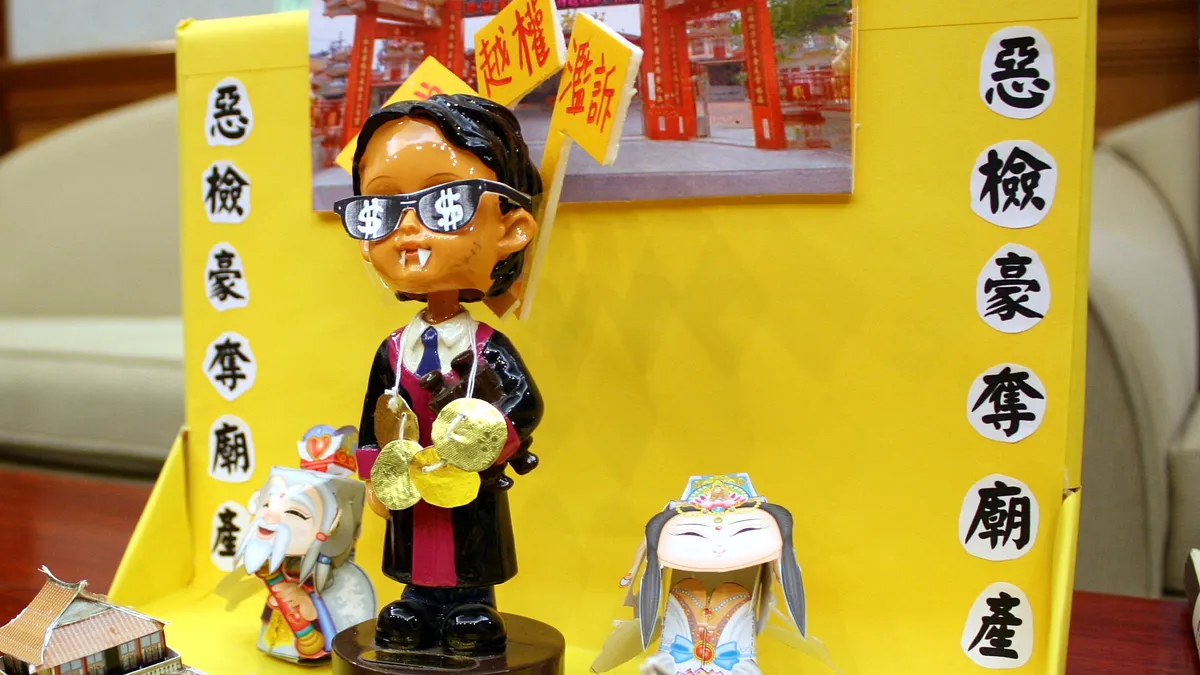
Judicial and Prosecutorial Authorities Must Bear the Responsibility of Self-Supervision! A Manual on Institutional Supervision under the Judges Act
2014
Demanding Judicial Accountability: A Comprehensive Guide to Challenging Unfit Judges and Prosecutors under Taiwan’s Judges Act
The Judges Act was promulgated by the President on July 6, 2011, establishing an individual case evaluation mechanism…

2014
An Overview of Judicial Conduct Supervision Mechanisms in the United States
Judicial conduct supervision mechanisms in the United States generally take two forms. One is a long-term, fundamental,…

2013
The Judicial Yuan's Personnel Philosophy as Seen in the One-Step Appointment of the High Court President
On December 11, the Judicial Yuan convened a Personnel Review Committee. High Court President Ch'en Tsung-chen was…
2013
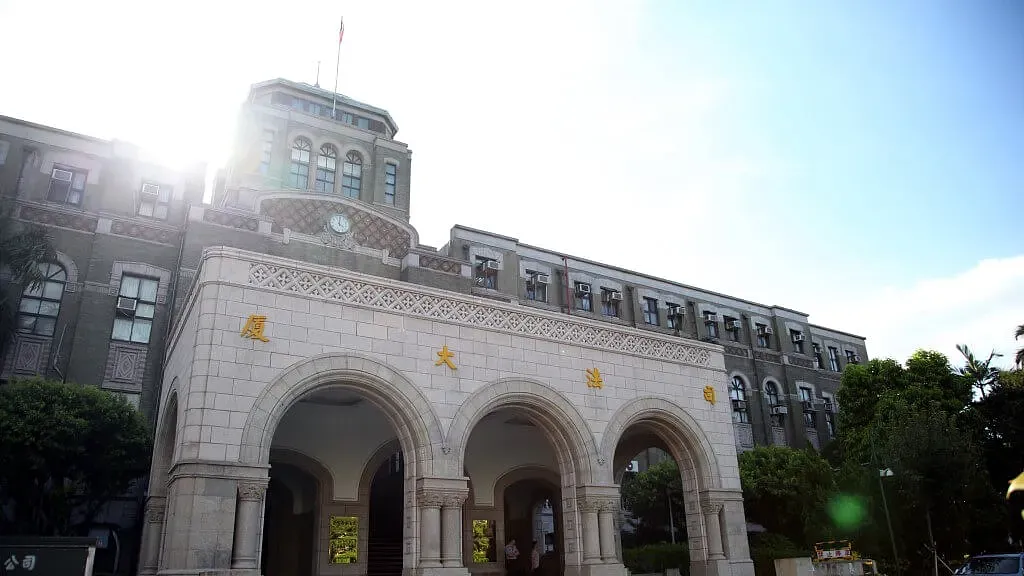
The Courts Were Not Founded by the Kuomintang
After the Kuomintang (KMT) lost the provisional injunction case filed by Legislative Yuan President Wang Chin-pying at…
2012
The Judicial Yuan's Personnel Review Committee with External Members Convenes
Today is July 18, 2012. The Judicial Yuan's Personnel Review Committee (hereinafter referred to as the JYPIRC), which…
2011
We Do Not Want a "Judges Act for Dinosaur Judges"
2008
Mr. Ma! Judicial Reform Is Not Just Talk!
On December 21, 2007, Legislative Yuan President Wang concluded the final plenary session of the current parliamentary…