
Court Watch
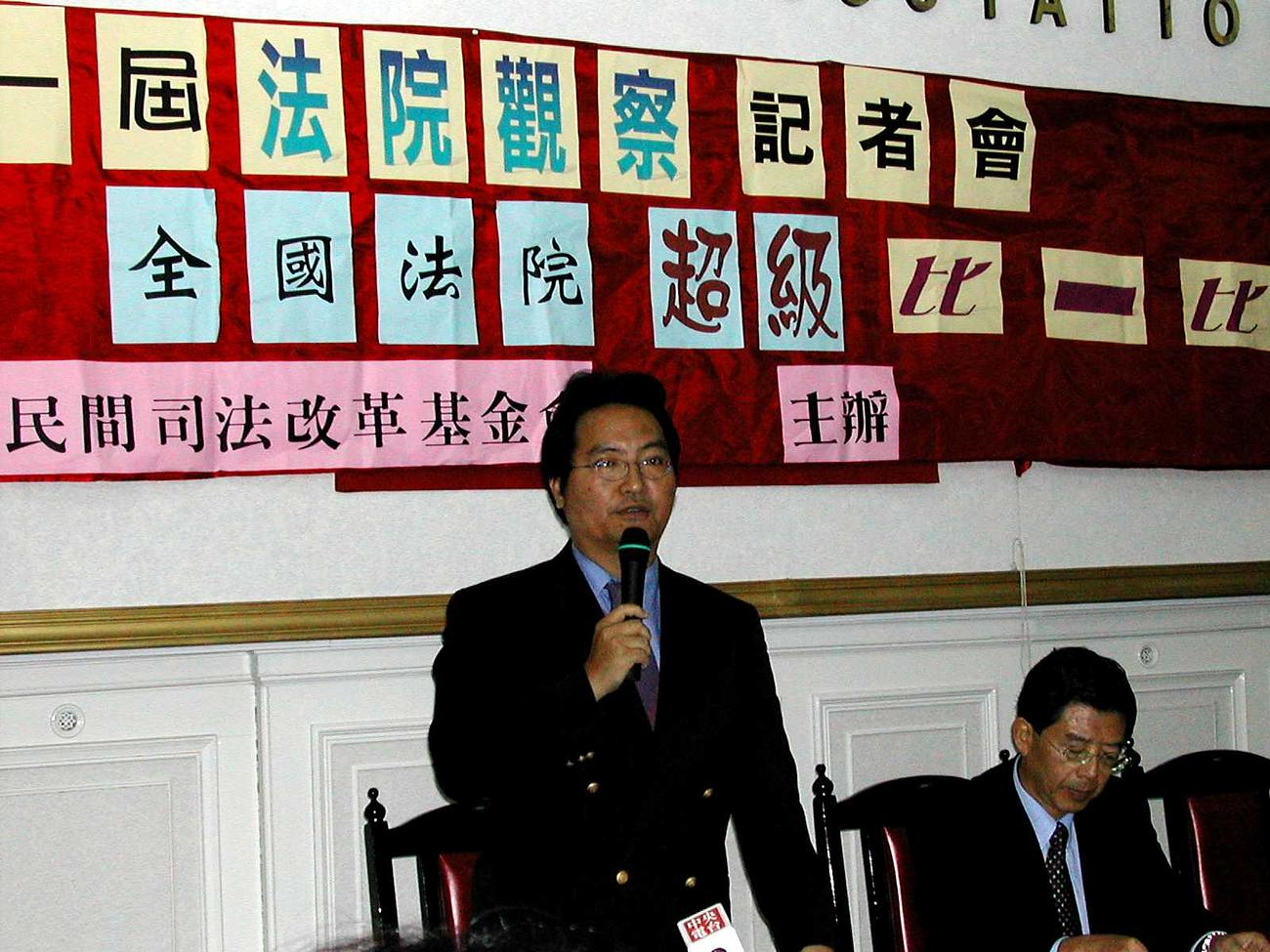
Court watching is also part of judicial reform. Through court watching activities, monitoring judicial personnel helps enhance judicial transparency, identify systemic inadequacies, and prompt appropriate responses. Anyone of us can step into the court to make first-hand observation records and become a part of reform!
1. What is Court Watching?
Court watching is a way for citizens to monitor the judiciary. Volunteers enter courts to observe hearings, record the words, actions, and conduct of judges, prosecutors, and defense attorneys as well as the hearing proceedings, and report back on their observations. This transforms the judiciary from a forbidden zone exclusively for legal professionals into a public space that every citizen can personally participate in and monitor.
In Taiwan, most criminal and civil hearings are open to the public, and anyone can enter a court to observe hearings directly without prior application. JRF has long recruited observation volunteers to help pay attention to major miscarriage of justice cases or human rights-related cases, ensuring that no trial stands alone.
The Significance of Court Watching: Judicial fairness cannot rely solely on internal self-regulation; it also requires external monitoring. When the general public steps into courts to observe, the words and actions of judges and prosecutors are naturally kept in check; when observation logs are recorded and made public, systemic problems have the opportunity to be seen and changed.
2. The Value of Court Watching
Value 01
Holding Judicial Personnel Accountable
The mere presence of citizen observers creates a deterrent effect, prompting judges and prosecutors to handle every case and party with greater care.
Value 02
Demonstrating Judicial Transparency
Live records of court hearings allow the general public to understand the practical operations of the judiciary, breaking away its sense of mystery and enhancing public awareness of the judicial system.
Value 03
Safeguarding the Dignity of Parties
Facing the formidable apparatus of the state, the presence of citizens in the gallery makes defendants and their families feel supported by society, so they no longer feel isolated and helpless.
Value 04
Accumulating Grounds for Reform
Systematic observation records can serve as concrete material for advocacy and reform, elevating issues from individual cases to systemic discussions.
3. How to Participate in Court Watching
1
Follow JRF's Court Watching Recruitment Information
JRF regularly announces trial dates and locations for various cases on its official website and social media. Please keep an eye on "Court Watching Recruitment" events to confirm hearing dates, court locations, and important notes.
2
Sign Up or Go Directly to Observe
Some sessions require prior registration so that JRF can track attendance numbers, while public hearings welcome direct attendance. Please be sure to bring personal identification documents and comply with security regulations upon entering the court.
3
Observe Hearings and Pay Attention
Once inside the courtroom, please maintain courtroom order and keep quiet. You may bring paper and pens to record important hearing processes, but please note court regulations (audio and video recording are prohibited in court observation galleries).
4
Report Observations and Contribute to Reform
After the hearing, you can feed back your observation insights to JRF or submit articles sharing your observation experiences. Your records and feelings will become invaluable material for judicial reform.
Notes for Court Attendance: Before entering the court to observe, please first verify whether the case is open to the public (juvenile cases, sexual assault cases, etc., may be closed to the public). Eating and drinking are prohibited inside the courtroom; please set your mobile phones to silent to respect the proceedings. If you have any questions, please feel free to contact JRF.
4. Recent Court Watching Activities
2026-04-29 Event
2026-03-03 Event
2025-06-25 Event
2025-05-12 Event
For more articles on court watching, please see the Court Watching Section
Related Resources and Further Reading
- Apply for Mock Trials — Bringing Legal Education into Campuses
- Apply for Lecture Collaboration — Invite JRF to Speak to Your Community
- Citizen Participation in Trials Section — Citizen Judge System Reforms
- Criminal Procedure Reform Section
- Criminal Miscarriages of Justice Relief Section
- Judicial Yuan Official Website (External Link, Opens in a New Window)
Step into the Court Together and Make the Judiciary Less Mysterious
Court watching requires more citizen participation. If you agree with promoting judicial transparency through citizen monitoring, please pay attention to JRF's recruitment information or support our continued efforts through donations.
Last Edited Date: 2026-05-02
02Aug.
2025
2025
Op-Ed | What Era Is This That Note-Taking in the Gallery Is Still Prohibited?
Article 86 of the Court Organization Act stipulates that court arguments and the pronouncement of judgments shall be…
08May.
2025
2025
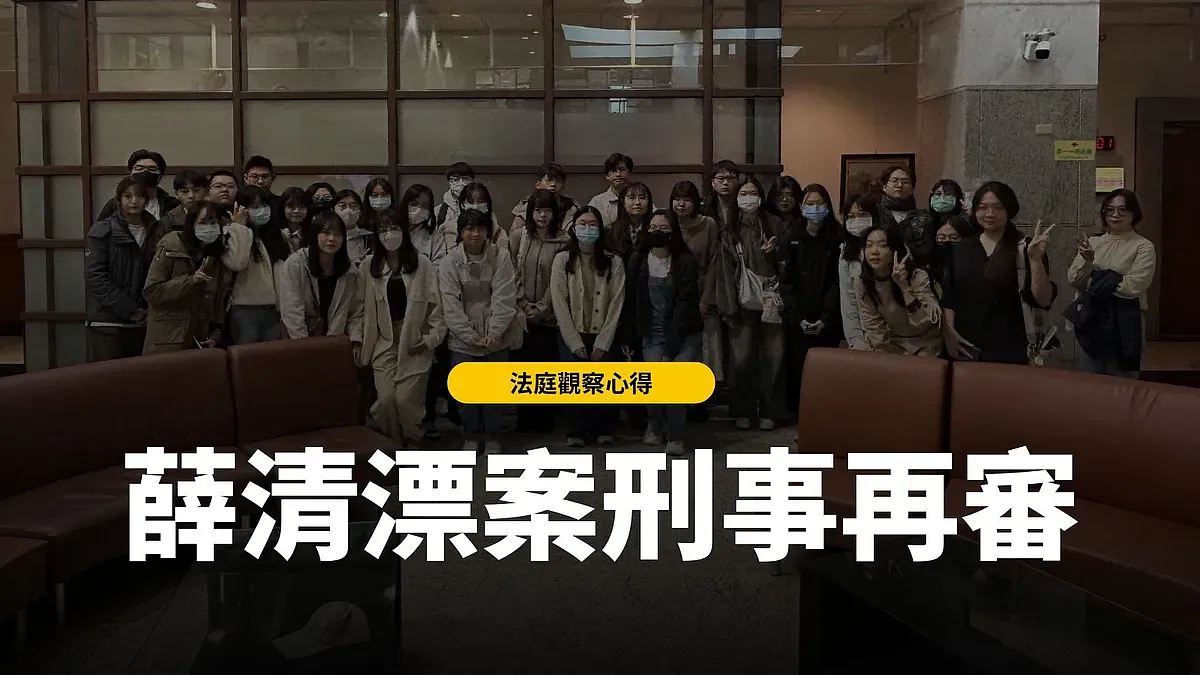
Court Observation Notes | The Criminal Retrial of the Hsueh Ching-piao Case
Hsueh Ching-piao was previously sentenced to 16 years of imprisonment for violating the Narcotics Hazard Prevention…
08May.
2025
2025
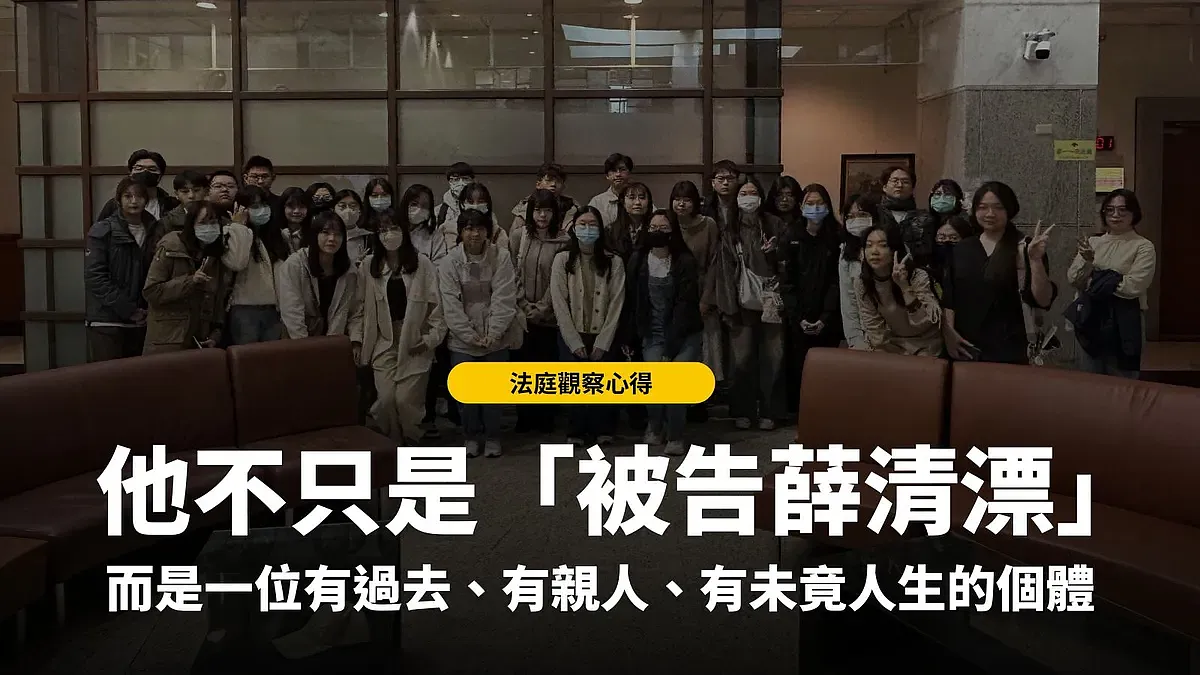
Court Observation Insights: He is not just "Defendant Hsueh Ching-piao," but an individual with a past, family, and an unfulfilled life
This court observation not only taught me about the trial and operational procedures of criminal litigation, but also…
08May.
2025
2025
Court Observation Insights: A Law Student’s First Court Observation
This was my first time attending a court hearing after starting law school. With nearly three years of legal studies…
15Apr.
2022
2022
Court Observation | The Su Case Unfinished: Summoning Review Expert Prof. Li Chun-I Regarding Henry Lee's Crime Scene Reconstruction Appraisal Report
"A single observational experience surely cannot and should not generalize and interpret all professional roles within…
06Jun.
2021
2021
Court Observation | First Evidentiary Hearing on the Retrial Petition in the Chiu Sung-Cheng Case
Chiu Sung-Cheng has consistently maintained that he never held a knife during the melee, much less stabbed Cheng OO,…
09Jan.
2017
2017
Observations Following the Regularization of Supreme Court Hearings: The Case of Li Hung-chi
After taking office, Judicial Yuan President Hsu Tsung-lu made the "regularization of Supreme Court hearings" the first…
15Nov.
2015
2015
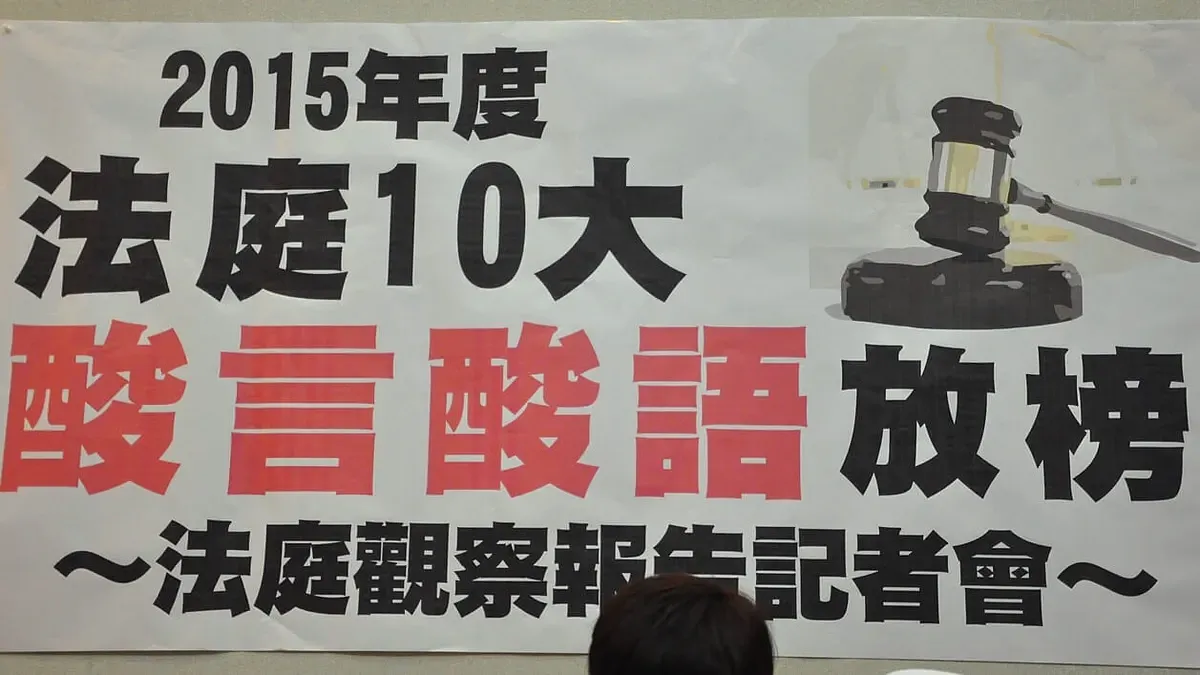
Judges, Please Let Go of Your Fragile Egos
Following the release of the 2015 courtroom observation report by the JRF, which listed the "top ten sarcastic remarks"…
12Nov.
2015
2015
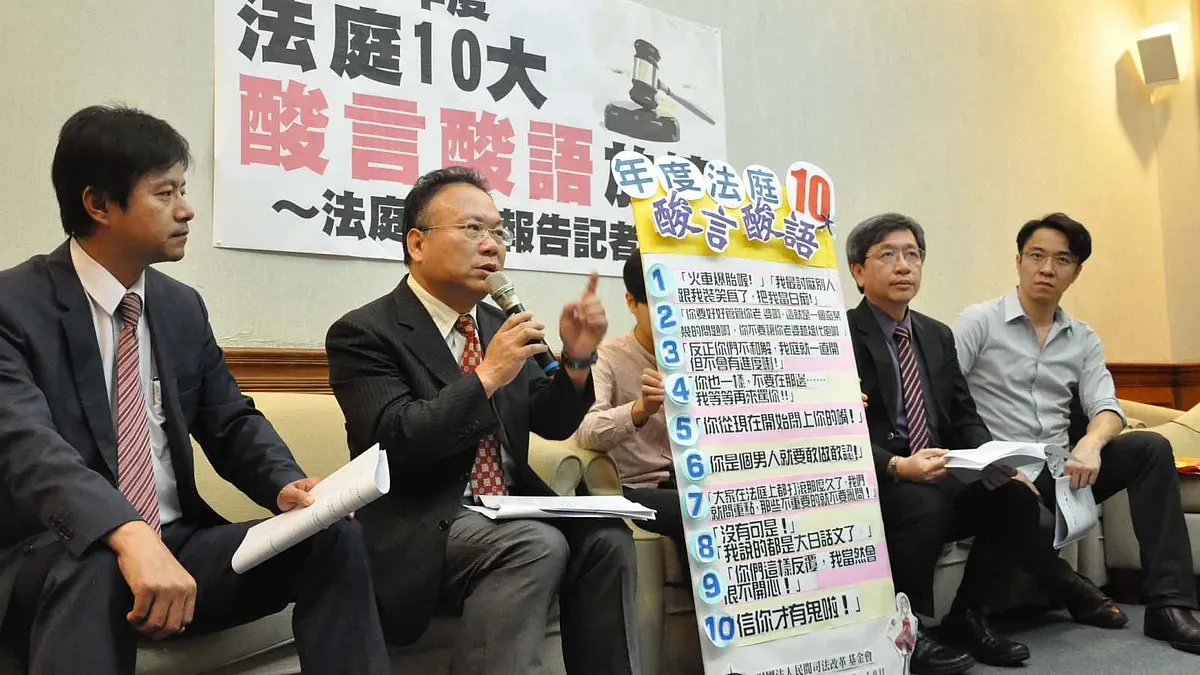
Judge, I'll Believe You When Pigs Fly
Compiling this year's court observation reports, we read feedback from observers: a judge roared at a defendant, "I'll…
25Jun.
2015
2015
Judicial Computerization Keeps Judges and Prosecutors from Slacking Off
In the legal profession, there is a secret trick to test whether judges are seriously reviewing a case: applying a bit…

17Sep.
2014
2014
"Abandoned" to Justice: Court Observation Notes on the Ts'eng Wen-ch'in Case
On September 5 of this year, the high-profile "throat-slitting case" held its second-instance oral argument at the…
12Sep.
2014
2014
What Play is the Judge in the Hsieh Yi-han Case Performing?
On September 5, the high-profile Bali double murder case defendant Hsieh Yi-han received her verdict in the second…